African unions want an inclusive free trade agreement

The agreement should also embrace the decent work agenda and respect human rights spelt out in the African Charter on Human and Peoples’ Rights.

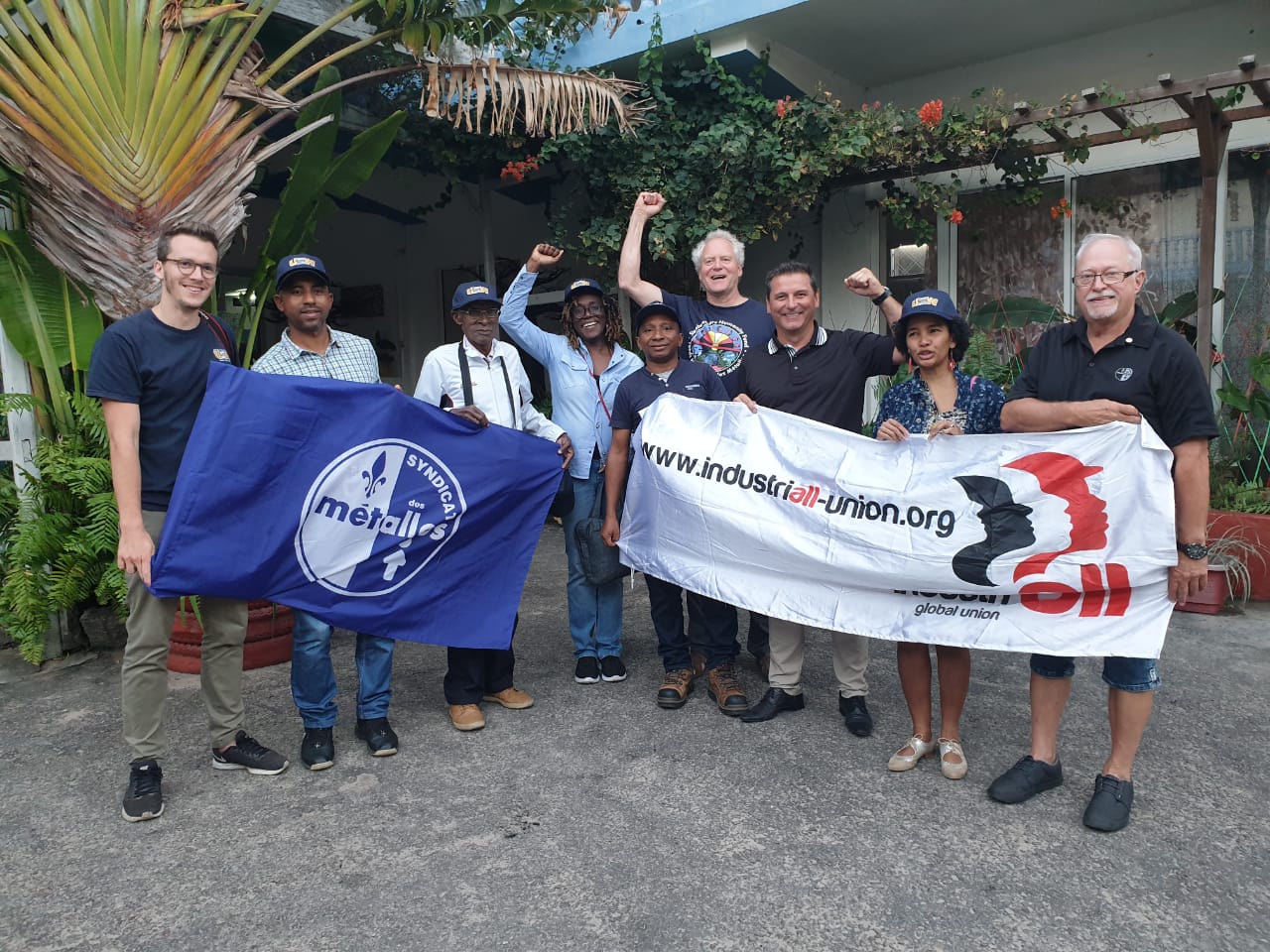
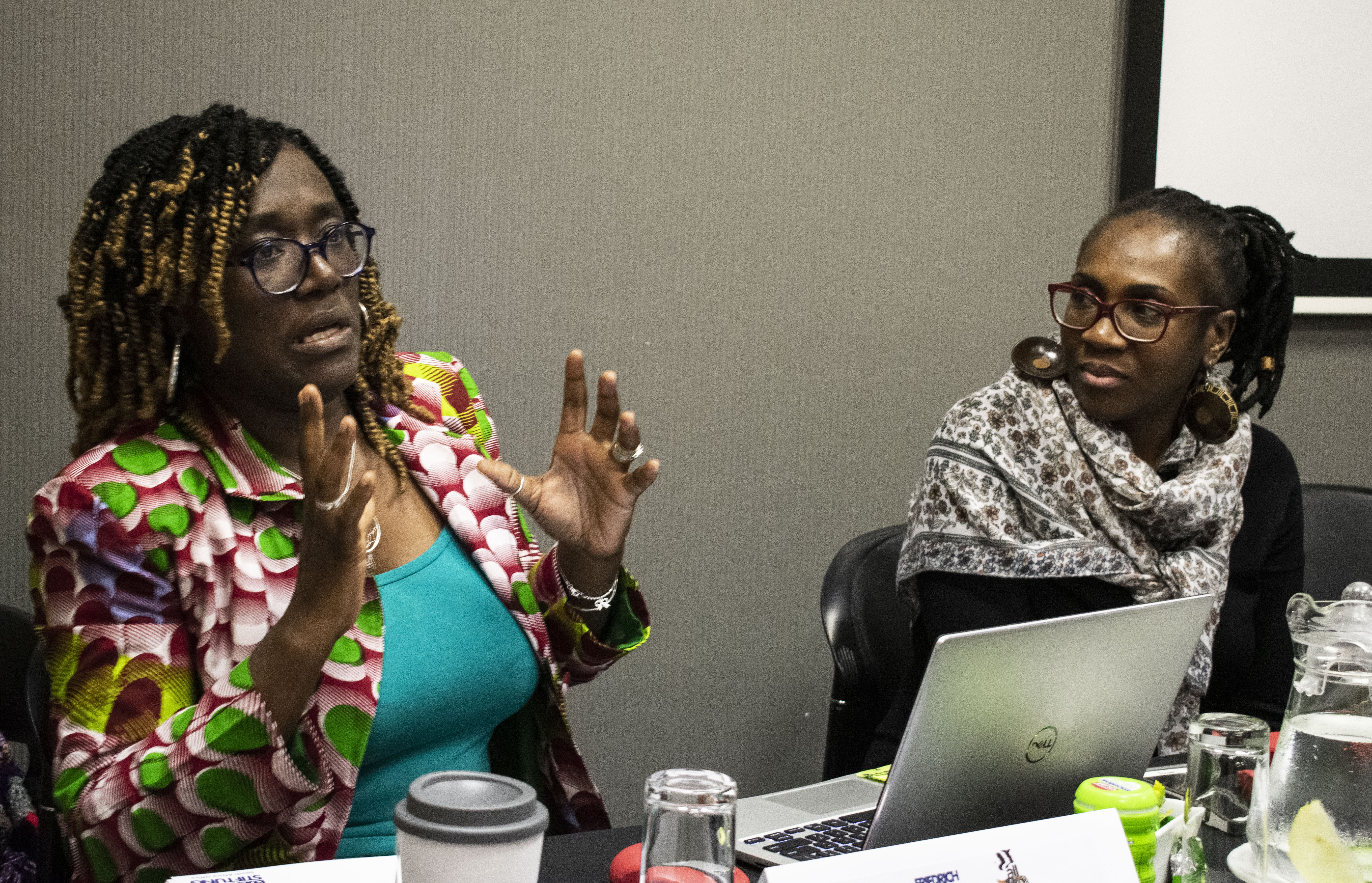
The AfCFTA was discussed at the annual global unions’ forum, supported by the Friedrich Ebert Stiftung, on 13-15 May in Johannesburg. Six global unions, regional confederations, a national federation, together with SASK which also supports trade union work in the region, attended the forum. The 26 participants were from nine countries.
 
Signed by 52 countries, the AfCFTA, a project of the African Union’s Agenda 2063 initiative, will be ratified at a ministers of trade meeting in Kampala, Uganda in June. With potential to create a market worth trillions of dollars and reaching over a billion people from 55 countries, the AfCFTA will promote intra-African trade and probably reverse the current situation in which most African countries trade with the USA, Europe and China rather than with neighbouring countries. Attempt to integrate African economies into the global economy have achieved little despite agreements including the Economic Partnership Agreements, and the African Growth and Opportunity Act. Continentally, intra-Africa trade is dominated by informal trade mainly by women.
 
“Unions should collectively demand commitment from the African Union to create opportunities for them to participate and influence trade policies and programmes at the national level and beyond. A transformative AfCFTA can only be achieved if negotiations are inclusive and represent relevant stakeholders, is transparent in its approach, and has the overall aim to achieve a trade agenda that is beyond the narrow interests of state parties but people-to-people centred. Such a transformative trade agenda cannot happen without the strategic and consistent involvement of civil society organizations,” said Hilma Mote from ITUC Africa.
 
“There is an urgent need for social dialogue on the AfCFTA. With high youth unemployment the agreement can create jobs, but these must be decent and sustainable. Social protection is also important. Further ways to monitor the agreement must be put in place,” said Paule France-Ndessomin, IndustriALL regional secretary for Sub Saharan Africa.

Torrent Pharmaceutical workers in India beaten and fired after joining union

All 600 permanent workers at Torrent Pharmaceutical’s Baddi plant joined the Association of Chemical Workers Union – an affiliate of the central trade union, Indian National Trade Union Centre (INTUC) – and informed the management on 12 October 2018.  They sought recognition of the union and called for the collective bargaining process to begin.

Torrent management responded with a series of vindictive actions. The management compelled workers to sign a letter to resign from the union and victimized union office bearers and workers through unilateral transfers and suspensions.

On 14 February 2019, when workers gathered in front for the factory gate to raise the union flag and install a union signboard, they were brutally attacked by hired goons and about 20 workers who sustained injuries were hospitalized. The local police initially declined to register the workers’ complaint, and it was only after persistent efforts that a formal complaint was registered.

The next day, the company unjustly terminated 15 workers and suspended four others, including union office bearers. So far, the union has not received any response to the numerous letters sent to the management.  

Valter Sanches, general secretary of IndustriALL Global Union, said:

“It is shocking that Torrent Pharma workers face such a vindictive and violent response when they exercise the universally accepted core labour rights to freedom of association and collective bargaining.

“We strongly condemn the unfair labour practices of Torrent Pharmaceuticals. Torrent should reinstate all unjustly terminated and suspended workers, recognize the union and start collective bargaining negotiations.”

The plant, in Solan District in the state of Himachal Pradesh, employs 600 permanent workers and 150 contract workers. The Bombay-listed multinational operates in 50 countries.

Chilean BHP unions join forces to face challenges

IndustriALL was invited the second meeting of the six unions of BHP’s Cerro Colorado, Spence and Escondida mines on 8 May, who form the coordination body.

“It has been a productive meeting; the coordination body is committed to help us strengthen the BHP global network, which consists of unions in Australia, Brazil, Colombia and Peru.

“From this network, they will seek to be acknowledged by the company and the chance to discuss global issues faced by workers in the different countries, in order for all workers to have similar or equal rights and conditions.”

said IndustriALL’s regional secretary, Marino Vani.

The coordination body explained the seven problems faced by BHP workers in Chile. A letter outlining the issues will be sent to BHP’s representative for the Americas, Daniel Malchuk, requesting a meeting:

1.    Administrative problems: delays of up to two months before obtaining responses, since the accounting headquarters are located in Malaysia and Singapore.
2.    Breaches of collective agreements: maximum working hours established by law are exceeded. Production bonuses are not payed correctly, as the company has failed to provide transparent information as to how that amount was reached.
3.    Excessive workload: 400 contract workers were replaced by 80 directly employed worker, meaning that 80 people have to do the work of 400.
4.    Dismissals caused by negative performance evaluations: evaluations have to be carried out in order to get promotions, but many workers have lost their jobs because of them.
5.    Lack of retirement plans: some unions do not have retirement procedures in place, and when employees are terminated by the company, they have to fight for their benefits.
6.    Occupational diseases: When BHP notices that workers are using the health care system a lot, they get terminated instead of retired.
7.    Ignorance regarding the company’s prospects: BHP does not inform workers about the mining company’s prospects for the future.

The spokesperson for the coordination body and leader of Union 1 at the Escondida mine, Carlos Allendes, said:

“We are calling for Malchuk to take responsibility for BHP’s Charter of Values. We request that he receives us and discusses these matters with us. We care for our company and do not intend to destroy it, as it is our source of work. Our intention is to be heard, to work together and to solve these problems.”

Vani said:

“If Malchuk refuses to have a conversation, we will carry out campaigns to get the company’s attention and put pressure on them to negotiate. There will be a global meeting with BHP workers in September, which will strengthen actions taken along with the workers, unions and the strategic sector both in Chile and the region.”

Lockout continues at Dow Texas chemical plant

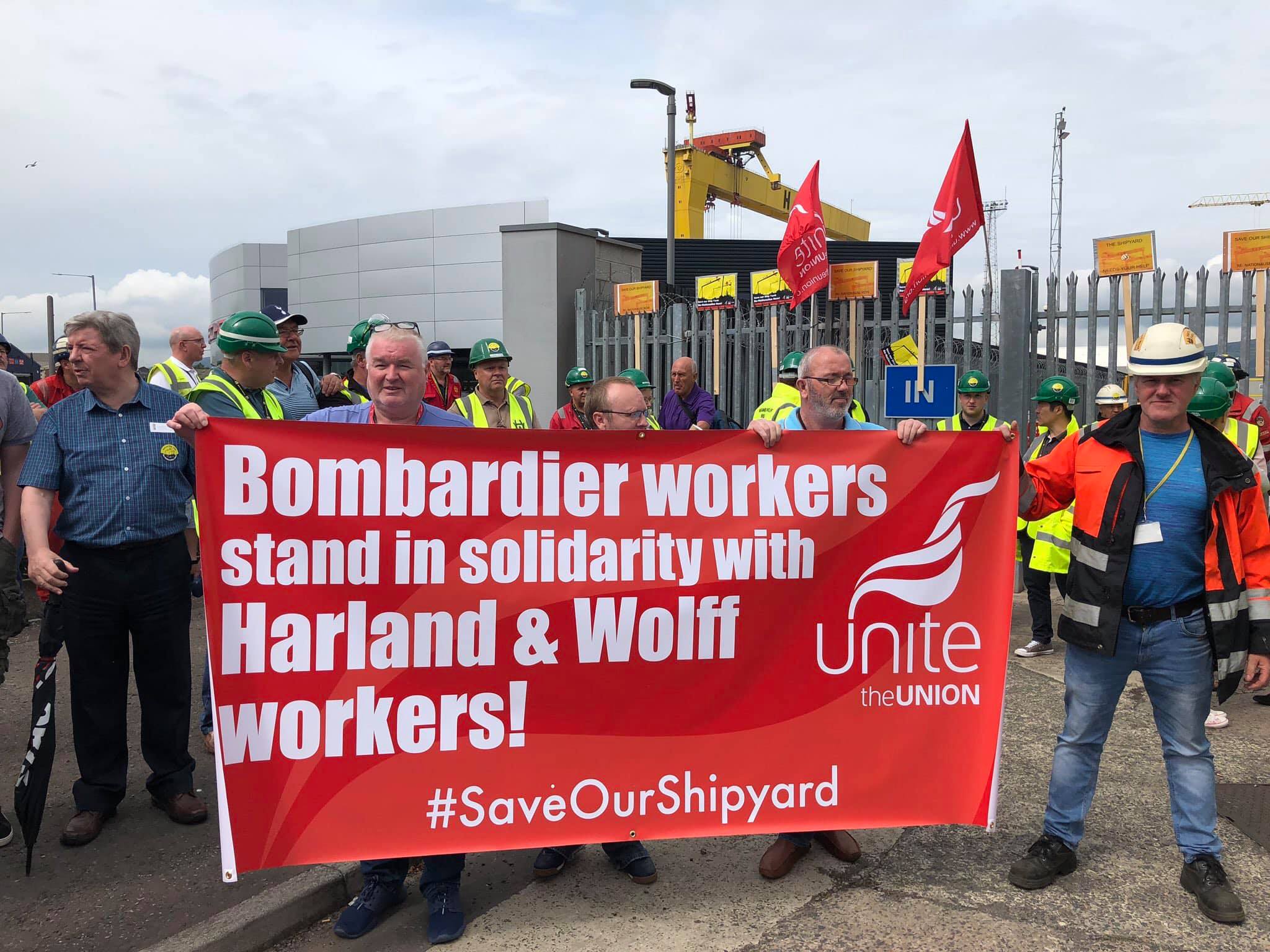
The 235 workers were locked out by Rohm and Haas Texas lnc., a wholly owned subsidiary of Dow Chemical, on 22 April, after negotiations for a new collective agreement broke down. The company is owned by DowDuPont, which was formed by the merger in August 2018 of Dow and DuPont.

Workers are concerned by overtime caused by understaffing, and the consequence this has on safety. The union has made several proposals, but the company has not made a meaningful move towards a bargained contract. Instead of addressing the issues raised by workers, the company has made three “last, final and best” offers to the union, most recently on 20 May.

The first two offers were rejected by over 90 per cent of the workforce. The most recent offer makes no substantial concessions and the company has not compromised on its hardline position. In the meantime, workers have been on the street, with no pay cheque or medical insurance for over a month.

The site produces specialized acrylic-based chemicals, used in paint, coating and adhesives. The union is concerned that DowDuPont is putting the local community at risk by locking out skilled union workers and using less experienced managers, who may never have used the equipment before the lockout, to handle dangerous chemicals and processes that are not part of their normal duties.

Unite members in London show solidarity

The struggle at Deer Park is supported by an active trade union network, the DowDuPont North American Labor Council, which is led by the USW. The network is extended to unions at the company around the world and IndustriALL Global Union, and has taken solidarity action in support of Local 13-1. Support letters have been sent to the locked-out workers by IndustriALL, the Australian Workers Union, Unite, SOEPU (Argentina) and the IG BCE (Germany), and a solidarity pledge is online here.

IndustriALL general secretary Valter Sanches said:

“This lockout has now entered its second month. What a ridiculous decision by the Deer Park site management, to lockout workers instead of bargaining in good faith. These managers cause reputational damage to the full DowDuPont company.

“End the lockout now.”

IndustriALL again demands Shell address violations in supply chain

Shell has refused to recognize serious breaches of its own code of conduct by its suppliers, which were raised at Shell’s AGM last year.

An IndustriALL mission to Nigeria in September 2018 witnessed first-hand how contract workers at Shell in Nigeria are living in poverty, with no job security and inadequate medical cover, while being denied the right to join a union.  

Speaking at the AGM, IndustriALL energy director, Diana Junquera Curiel, said:

“In September, I personally went to Nigeria and I saw these violations for myself. For your information, we have raised these violations with the International Labour Organiziation, the UN Global Compact and the United Nations Human Rights Council.” 

Last year, Shell made a commitment with three other oil companies to create a common framework for monitoring labour rights in their supply chains. However, the scheme is not transparent and excludes trade union participation.

“If Shell really wants to improve labour rights in its global supply chain, why does Shell refuse to work together with IndustriALL Global Union to address these issues?” asked Diana Junquera Curiel at the meeting.

“Shell says it only works with local unions, but problems in Shell’s global supply chain need global dialogue to find global solutions. Other multinational energy companies, such as Total and Eni, work with IndustriALL to improve workers’ rights in their supply chains, why can’t Shell do the same?”

Afolabi Olawale Olufemi, general secretary of NUPENG, which represents contract workers in the Nigerian oil and gas industry, called on Shell CEO, Ben van Beurden, to commission an independent study into the impact of Shell outsourcing in Nigeria:  

“Workers have been on the same wage since 2014. We signed a new collective bargaining agreement with Shell contractors last year but it has never been implemented. Oil and gas workers are toiling hard in Nigeria. The dividends you are earning are tainted by the tears of Nigerian workers.”

Shell’s CEO agreed to look into the matter but said that Shell does not have control over how suppliers pay or negotiate with workers. However, Van Beurden admitted that Shell contractors should honour Shell’s supplier principles. These include “compliance with all applicable laws and regulations on freedom of association and collective bargaining.”

NUPENG general secretary, Afolabe Olufemi, and president Williams Akporeha, raise their problems directly with the Shell CEO, Ben van Beurden after the AGM.

Joosje de Lang from IndustriALL’s Dutch affiliate, FNV, also made an appeal to the Shell Board on behalf of Shell members in the Netherlands. She called on Shell to apply the same international standards of workers’ rights enjoyed by workers in the Netherlands to all Shell workers around the world.

“It is clear that Shell contractors in Nigeria are breaking Shell supplier principles. We urge Shell to take action to ensure contractor companies adhere to fundamental labour rights, as in accordance with its own standards,” said IndustriALL assistant general secretary Kemal Özkan. “We are, as ever, open to dialogue with Shell to help resolve these issues.”

Organizing in the textile and garment sector in Thailand

“Lacking full time organizers is our biggest challenge. Union activists can only organize workers out of working hours. Given the circumstances, we must develop an effective organizing strategy, we need more capacity training for organizers,”

said Kornchanok from the Body Fashion Workers Union. She is also a part-time organizer with TWFT.

The workshop focused on multinational corporations and their supply chains in the country. IndustriALL has six global framework agreements (GFAs) with textile and garment brands. All these brands – Inditex, H&M, Tchibo, Mizuno, Asos and Esprit – have suppliers in Thailand.

The ILO estimates that there are 575,000 salaried workers in the sector in Thailand, providing huge potential to improve union density in Thailand. The participants gained better information about GFAs and suppliers to the brands in the country.

The participants concluded the two day workshop with a strong commitment to organize their new targets. By the end of this year, they will concentrate their efforts to organize 10,000 workers from six companies in the industry.

Annie Adviento

Annie Adviento, regional secretary of IndustriALL Southeast Asia Office said,

“TGSL is one of the biggest sectors in IndustriALL Global Union. We sign GFAs with global brands. We work with brands to ensure workers’ rights are respected; freedom of association is respected. Unionization is our priority. We must know our leverage before starting an organizing campaign and ask the right questions. We believe this workshop would help you to build your organization’s power.”

Thai unionists also seek the support of IndustriALL to resolve their union disputes with brands. They strongly felt that deeper understanding of GFAs will better equip them at negotiation tables.

The participants were trained on strategic corporate research for their organizing campaigns. They did their own research on the multinational targets of their unions and identified how they could use their research for leverage.

PHOTO PAGE: Trade unions lead the fight for gender equality and against gender-based violence

Unions are fighting to end violence and harassment at work and pushing for equal pay. Everyone has a responsibility to be part of this discussion and the solution: this is not an issue for women to resolve alone. 

Gender equality is not a women’s issue, it is a trade union issue.

Affiliates from all corners of the world took action, along with their national centres, to support the call for an ILO Convention on gender-based violence in the world of work. This global action highlights the continuing and widespread violence against women in IndustriALL sectors and sends a strong message to the perpetrators and their employers that all forms of violence against women are unacceptable.

Women’s participation in IndustriALL’s sectoral work is still too low and has yet to improve significantly. IndustriALL’s women’s committee has endorsed a set of recommendations for new strategies to address the gender imbalance in industries with the lowest representation of women.

The recommendations include:

  • Each network and sector to set its own rules for increasing women’s participation in meetings
  • Sectors and networks to devise strategies to analyze the issues facing women in the workplace and in the union and develop campaigns to address them
  • Using global framework agreements to demand multinational companies to employ more women in male-dominated areas and challenge companies on their performance on gender equality


International Women's Day 2019 #IWD2019

PROFILE: Organizing in the garment and textile sector in Ethiopia

Union: Industrial Federation of Textile, Leather and Garment Workers Union (IFTLGWU)

Country: Ethiopia

Text: Elijah Chiwota

Building unions in rough terrain: Organizing in the garment and textile sector in Ethiopia

The Industrial Federation of Textile, Leather and Garment Workers Union (IFTLGWU), affiliated to IndustriALL Global Union, has hit a brick wall in its attempts to organize at Hawassa, despite the country’s Constitution and labour laws providing for freedom of association. 

Ethiopia’s economy has grown quickly over the last few years, from an agricultural economy to an industrializing one. The country now has one of the highest economic growth rates in 

Sub-Saharan Africa. Industrial parks 

like Hawassa are part of the government’s plan to create jobs.

The Ethiopian Investment Commission touts low wages and other benefits to attract investment. The government has set up the Ethiopian Textile Industry Development Institute, and industrial parks have been built across the country to promote light manufacturing. The largest is Hawassa, with the potential to employ over 60,000 workers on double shifts. It is expected to generate US$1 billion in exports.

This developmental state approach aims to create jobs and reduce unemployment, especially among the youth. With a growing population of over 105 million people, and two million young workers entering into the job market every year, the country needs to create more jobs.

Global garment brands and retailers have identified Ethiopia and Kenya as countries to source goods from over the next five years, mainly due to rising costs in countries they have traditionally produced in, like China and Vietnam. Factories in the industrial parks supply to big brands and retailers, including Adidas, Marks & Spencer, H&M, Primark, JC Penny, Phillips-Van Heusen, Tesco, Inditex, Tchibo, Kik, VF Corporation, Schöffel, Walmart, Ober Mayer, George (Asda), Levi Strauss and Hugo Boss.

Unions ask: who benefits from this low cost, labour-intensive, low skill manufacturing model? 

Ethiopian workers are on the losing end of the equation. Denying unions access means that wages are low, and workers’ rights, including to health and safety and collective bargaining, are curtailed. 

The face of the textile and garment sector in Ethiopia is that of a young woman. But at Hawassa, the union is unable to campaign for women workers’ rights, including against sexual harassment, for maternity protection and on child care issues. Housing is another issue as many women are forced to share a room, sometimes with more than four colleagues.


A long way away from a living wage

A recent study by global labour market analysts MyWage and Confederation of Ethiopian trade Unions (CETU), with support from FNV Mondiaal, concluded that a garment worker needs at least 4,130 Birr (US$146) per month to survive, and workers with families need more. Yet 92.5 per cent of the workers earn less than the minimum required to make a living, with 8 per cent earning below US$35. The survey, in which 1,052 workers from 52 factories were interviewed, was carried out in Addis Ababa, Oromia and Hawassa.

Workers at Ayka Addis factory, Addis Ababa. IndustriALL

Minimum and living wages are central to a campaign by the 55,000-strong IFTLGWU, affiliated to CETU. With the current wages most workers struggle to make ends meet and can be described as working poor. A low wage economy means jobs that will neither change living standards of the workers, nor end poverty. 

The government promotes ‘industrial harmony’ – but unions say harmony can only be attained through inclusive social dialogue. To achieve this, the IFTLGWU is working with the CETU, the International Labour Organization, FNV Mondiaal, the Friedrich Ebert Stiftung, IndustriALL and other partners in various activities that include building union capacity for collective bargaining towards social dialogue.

IFTLGWU is using collective bargaining training as part their campaign for a living wage. Training shop stewards in the textile and garment sector means they can take the fight for workers’ rights to their factories.

Raising women’s voices

Unions in the country represent only a small portion of the workforce. Only 10 per cent of the country’s labour force of over 44 million workers is employed in the private sector and the law does not allow public sector workers to organize. In addition to low unionization, there is poor representation of women workers within the unions.

Even though more than 90 per cent of the workers in the textile and garment factories are women, the union leadership continues to be dominated by men. The IFTLGWU is working towards achieving gender equity and is holding training workshops as part of the strategy. 

Workers at Ayka Addis factory, Addis Ababa. IndustriALL

It is a priority for the IFTLGWU to curb the exploitation of women workers in the factories by supporting women in the garment and textile sector to engage with management. For example, a recent workshop attended by 19 women shop stewards from the workplace unions of the IFTLGWU, with support from the IndustriALL regional office for Sub-Saharan Africa and FNV Mondiaal, aimed to increase women’s participation in leadership roles in the unions. 

One of the participants, Gelane Senbetu, a shop steward and women’s council member from Kanoria Textile Factory, Bishoftu, says it is important for women to understand the labour laws and the context of collective bargaining in Ethiopia.

“Workshops like these are vital as they focus on how to be actively involved in union work and we identify the issues that we have to deal with in the workplace. We can freely discuss key issues like collective bargaining and how to advance women’s interests in the workplace.”

“The training has taught us a lot from a legal perspective and has strengthened the women’s councils’ ability to address women’s issues.”

A sustainable industrial policy for the textile and garment sector

According to the government’s growth strategy, Ethiopia’s main competitive advantage is low labour cost. Creating jobs will reduce poverty, and the sector is labour intensive. To support industrialization, the government is developing infrastructure. Roads are being built, airports and railways revamped and extended, and low-cost energy produced. The economic policies also aim to improve social services, including housing, health and education.

Ethiopia’s garment and textile sector has benefitted from preferential trade under the United States African Growth and Opportunity Act, as well as the Everything But Arms and duty-free quota free arrangements. In addition, there are bilateral agreements with China and India to promote the sector.

The government is promoting the growing of cotton, although production has remained low. The cotton to garment value chain includes cotton growing and harvesting, ginning, spinning, weaving or knitting, garment making, the traditional hand loom production methods, and shipping. This value chain is dominated by garment companies.

But what does the special focus given to the textile and garment sector mean for factory workers? What does it mean for union organizing? So far, the expected benefits, including skills and technology transfer, have yet to materialize. Unions are concerned that the country will replicate the mistakes of other low wage economies, undermining unions to keep wages low.

The president of the IFTLGWU, Mesfin Adenew, says:

Increasing membership is an issue we deal with daily. We will not be deterred by hostile employers and state institutions that deny us access to factories and industrial parks. The large number of non-unionized workers means that there is a lot of potential in organizing, and we are working with local and international partners to overcome the challenges.

PROFILE: Indian unions fight precarious work

Unions: All India Cement
Employees Federation (AICEF)
and Unions United

Country: India

Text: G Manicandan

Organizing in the cement industry 

The AICEF was founded in 2008 when cement unions affiliated to trade union centre HMS came together to better defend workers in their sector.

The AICEF has a total membership of about 25,000 workers, the majority of whom are precarious workers. The members are found across cement plants in the states of Bihar, Gujarat, Haryana, Jharkhand, Madhya Pradesh, Maharashtra, Odisha, Rajasthan and Tamil Nadu. 

The AICEF organizes in an environment where the majority of the workforce are precarious workers; the cement industry counts between 75 to 80 per cent contract workers. Almost all precarious workers are employed through third party contractors and face a lack of job security, poor wages and bad working conditions. 

Defending the rights of precarious workers, trying to regularize their work and increase wages have been the principal goals of the AICEF. 

Mukesh Galav, general secretary of AICEF, says: 

“Through our struggles in the cement industry we have managed to reverse terminations and regularize precarious workers. Our unions have played an active role in ensuring that companies implement wage decisions not only for permanent workers, but also for precarious workers. This has meant significant wage increases and social security benefits for our members.”

A 98-day struggle by the AICEF’s Mangalam Cement Karamchari Union resulted in the reinstatement and regularization of terminated precarious workers. The agreement also ensures that when permanent workers retire those vacancies are filled through the regularization of precarious workers. This has led to precarious workers achieving similar benefits, including free uniforms and shoes, to permanent workers. In 2016, about 150 workers were made permanent, and there is a process under way for an additional 150 workers. 

The cement industry in Rajasthan is notorious for poor working conditions. After the AICEF managed to end 12-hour working days for security staff employed by third-party contractors at the ACC Lakheri cement factory, the union plans to do the same for the factory workers on short-term contracts, also working up to 12 hours per day. 

“Working conditions are deplorable in many of the cement units,” says Mukesh Galav. “Unfortunately, we often have to fight with yellow unions, recognized by the company as counterparts for collective bargaining, to win workers’ rights.”

The AICEF has a unique method for uniting permanent and precarious workers in union activities. The constitutions of many of its unions are designed to include precarious workers as members, with voting rights and the possibility to run for leadership positions like president or general secretary.

The AICEF has launched a campaign to win equal wages for precarious work and is engaged in a legal process to implement a recent judgment of the Supreme Court of India calling for equal wages for equal work. 

“Being affiliated to IndustriALL Global Union is an important step to ensure AICEF’s efforts are complemented with international solidarity support,” says Mukesh Galav. 

“And at the same time, the national and international trade union network led by IndustriALL in the cement sector helps to reinforce AICEF’s work at a national level. IndustriALL provides much needed platforms for training on occupational health and safety, learning from others’ experiences, as well as developing a union response to rapid technological developments in the face of increasing automation in the Indian cement industry.” 

Unions United focus on women and precarious workers

Unions United taking action. IndustriALL

Unions United is an industrial federation formed in April 2018 with 55,000 members in base metals, textile, mining, mechanical engineering, electronics and energy sectors. 

12,000 of the members are women. 

Precarious workers make up over 90 per cent of Unions United’s total membership. 

Union United’s membership of precarious workers include more or less all women workers, as well as a large number of male workers, in sectors like garment, base metals, and public sector steel plants and uranium and gold mining units. 

Reaching out to women precarious workers in their homes and neighbourhoods and addressing women’s rights and social wages, including the demand to access housing and public transport, have been central to the organizing strategies of its members. 

Powerful campaigning on women workers’ rights by the garment workers’ unions in Karnataka and Tamil Nadu, including equal wages, access to crèches, appropriate toilet facilities and an uncompromising struggle against sexual harassment to ensure a safe and fair work environment, are some of the core issues undertaken by its members. 

Job security has always been a major challenge when organizing precarious workers. Members of Unions United built effective solidarity to resist large-scale victimization and employers’ violent attacks of union activists and precarious workers. 

Gautam Mody, convener of Unions United says that “firm political will is the fundamental feature of organizing precarious workers.” 

Winning regularization of precarious workers and equal wages in the public sector at employers such as the Uranium Corporation of India and the Steel Authority of India are some of the major milestones achieved by the members of Unions United. 

While all members of Unions United are unions affiliated to the national centre New Trade Union Initiative (NTUI), the federation is open to all registered trade unions in the manufacturing industry and associated services across the India. 

Currently, its membership is spread over several states, and in each of these states the member unions participate in joint calls to action from the central trade union organizations, including the recent historic countrywide general strike held on 8-9 January 2019.

Members of Unions United come from sectors closely tied to global supply chains and are conscious of the need to build unity and solidarity within and across the sectors nationally and globally to defend workers’ rights. 

In multinational companies like Siemens and KEC International, in addition to signing collective bargaining agreements, unions have taken initiatives to build countrywide company councils together with affiliates of other national trade union centres. Such initiatives strengthen their capacities to engage in global works councils and to take advantage of global framework agreements signed with IndustriALL. 

Unions United’s membership in the garment industry works in factories that supply to leading global garment and retail brands. Its members at US company Avery Dennison are currently engaged in a major struggle to regularize 600 contract workers and win recognition of the union.

Gautam Mody, says: 

“It is important for our members to come together to strengthen union power and to build workers’ solidarity nationally and across the global supply chain. Our affiliation to IndustriALL is crucial to connect our members’ struggles internationally and to take advantage of the global union force.”

REPORT: The Future of Work, and IndustriALL Global Union

ILO Report

The ILO report calls for a new approach that puts people and the work they do at the centre of public policy and business practice. It demands the recognition of rights to equality and social protection. It calls for a Universal Labour Guarantee that will deliver decent work, living wages, and safe and healthy workplaces. It calls for an increased investment in people, and a revitalization of collective representation.

It is an impressive, visionary outline for a new social charter. It is therefore not surprising that the International Organization of Employers is already trying to distance itself from it.

IndustriALL Global Union has sought the same goals that are outlined in the ILO report for many years. They are contained in the five strategic goals, and discussed in, among others, IndustriALL’s documents on sustainable industrial policy, on Just Transition, and on Industry 4.0. 

If sustainability is about meeting the social, environmental, and economic needs of today without compromising the ability of future generations to meet them, then the world is failing the test.

Social:

The world is sliding towards ever-greater economic inequality. According to Oxfam, 26 wealthy individuals control as much wealth as the 3.8 billion people who make up the poorest half of humanity. Social norms insist that wealth should be distributed in society primarily through employment. However, despite increasing labour productivity and strong wealth creation, jobs are not being created, social conditions are not improving and industrial wages are stagnant. This situation creates a combination of despair and anger, as people feel cheated. Social ills such as an epidemic of drug abuse, and political ills such as the rise of populist demagogues, are the result.

Environmental:

The natural environment is in crisis, with accelerating climate change (with related ocean acidification, severe weather events, wildfires and coastal flooding), catastrophic declines in biodiversity, contamination of land and water and air, deforestation, decreasing fresh water availability alongside increasing populations. Meanwhile, our consumption-based lifestyles have proven resistant to even the suggestion of change.

Economic:

Many products, goods, and resources are already being produced with the aid of a collection of disruptive new technologies including advanced digitalization, big data and artificial intelligence, next-generation robotics, the “internet of things”, 3-D printing, along with biotechnology and nanotechnology. Then, there are the new platforms of work: Uber, Clickwork, Amazon Mechanical Turk, Deliveroo, and a host of other forms of digital and crowd work that seek to make workers more precarious and powerless, and thus cheaper. This trend will continue, with no region or industrial sector immune. As for the natural environment, conventional economists insist that there can be infinite economic growth, despite the fact that we live on a finite planet.

Building a socially, environmentally, and economically sustainable future means re-thinking some of the basic rules of society, including what society expects of corporations. Many government policy thinkers have taken the position that society should not impose rules that might prevent new business models to grow. This thinking ignores the reasons why society allows any business model to grow, or indeed even to exist. In a theoretical sense, society does so because of the belief that there will be some benefit to society broadly – and this benefit has always been the expectation that jobs will be created. Not just one or two low-level jobs, but jobs of sufficient quality and quantity to enable a reasonable sharing of the wealth that is created and accumulated by the business. The wealth of one or two individuals is not a legitimate public goal. Politicians justify all changes to business or tax regulations as creating jobs, and business people use the jobs argument whenever they lobby for or against a regulation.

Type your caption

If new technologies and platforms do not create decent work in any reasonable proportion to the capital that owners control and accumulate, then why should society allow these business models to grow? Who benefits, and who pays the price?

Public policies, and the legislative and regulatory framework that flows from them, should be crafted to be in the public interest. Corporations should serve the public interest. Great challenges such as Industry 4.0, or platform work, or climate change, are often presented as though society is somehow powerless in the face of corporate interests. Yet at the end of the day they are society’s creatures and therefore must be subject to society’s control.

Control of wealth gives corporations, and the individuals that own them, immense power. Even governments fear that power. The truth is that there is no power in society capable of challenging or even balancing the might of corporations, other than the labour movement. This truth has led IndustriALL to position sustainable industrial policies as one of its main strategic goals, because we need long-term solutions to some of the problems discussed above. Along with sustainable industrial policy is our demand for a Just Transition for any workers affected by changes beyond their control. The principle behind a Just Transition is that the benefits and costs of the industrial transformation that is underway must be shared fairly.

It is not the technologies themselves that are the problem, it is the logic driving their introduction. As capital utilizes technology to re-organize work processes, lower labour standards and reduce costs, trade unions must respond. If we can guide the implementation of these new technologies, we could create quality work with reduced working time, and improve occupational health and safety. If we fail in that task, high-tech feudalism could be the end result. In any case, the task is ours: no-one else and no other organizations will fight this battle for us.

For trade unions, it means understanding the future of work and how it will affect us. It means considering the consequences of climate treaties, and the United Nations’ Sustainable Development Goals, as well as keeping up-to-date on emerging technologies. It means knowing how to use instruments like the OECD Guidelines for Multinational Enterprises, and the UN Guiding Principles on Business and Human Rights. It means holding governments accountable for the policies, legislation, and regulations that they enact and enforce. It means demanding that public policy be in the public interest. It means paying more attention to global institutions, including – or especially – their global unions. It means being politically active.

However, it also means that trade unionists must look at ourselves closely in a mirror and consider what changes we ourselves must make. What would “trade union 4.0” look like?

Obviously, it is futile to try to negotiate with a robot or an algorithm. Instead, trade unions must focus on the owners of these technologies and organize the workers they pay – whoever and wherever they are. Organizing these workers will require new approaches, as many of these workers are employed by multinational companies doing work that can be done anywhere, even in several countries. They may not even know who is paying them. Building cross-border solidarity will be critical – global unions like IndustriALL are needed now, more than ever.

We’ll need to use our tried-and-true tools of industrial action. Already, there have been labour disruptions at some of the new gig-work platforms. We must also try out new approaches. What are the needs, wants, hopes and dreams of today’s workers? How can trade unions help satisfy them? We must do a better job of appealing to women, youth, and other equity-seeking groups. We must think about white-collar workers, since the technological changes are leading to a white-collarization of the workforce of many of our industrial sectors. We must think about issues such as data, privacy, employment contracts, sustainable energy, and more.

No sector, and no region, will be immune to the far-reaching disruptions resulting from Industry 4.0. However, these changes will not be stopped, instead they must be managed.

If globalization of production, finance, and data is encouraged; why can we not globalize wage standards? No-one questions why there should be a world price for oil. If there’s a world price for oil, why cannot there be a world price for labour?

What of consent, and privacy? Informed consent for data collection, as well as the requirement for fair contracts, does not really recognize the imbalance of power. Refusing to consent to the collection of certain data, or to ask for a paragraph in an employment contract to be struck, is theoretically possible – but then quite simply the worker will not have work.

Can we re-define trade unions as spokespersons for fairness, justice, and equity, not just in the workplace but broadly? The two words that we need people to associate with trade unions are relevant, and credible. If we can make the case that global unions are relevant, and credible, we will succeed. We must tackle these issues, intelligently. Failure is not an option.