REPORT: The African Continental Free Trade Area – will it promote fair trade, economic development and decent work?
We ask the continent’s trade unions for their view.
Reeaz Chutto, Mauritius“We are far away from the ideals of Pan Africanism. The AfCFTA will not make our dreams come true. There are fears that many large African economies will disproportionately benefit while others will not be able to save their domestic industries from the dumping of imported goods.”
In Africa’s post-colonial landscape, dictatorships and rampant corruption thrive. Countries are underdeveloped and highly indebted. Economies have not transformed after independence. Most African economies remain primary producers of agricultural goods, oil and gas, and minerals with little or no value addition. They are heavily dependent on foreign aid. Unemployment is high, especially of the youth, and most people make a living in the informal sector. Poverty is common, including that of the working poor.
The AfCFTA is a project of the African Union (AU), designed to facilitate intra-African trade. Originally launched in 2012, its instruments have not yet fully come into force. When they do, many argue it has the potential to transform the economy of the continent.
The support for the AfCFTA by African countries since its launch and particularly since negotiations began in 2015 is overwhelming, with only Eritrea still to sign. Nigeria, the continent’s biggest economy, was initially reluctant, fearing that the country would be flooded by cheap imports, but eventually signed.
Rose Omamo, Kenya“The long-awaited solidarity between African countries is finally happening. It is time for African countries to have strategic trade agreements to bring together the resources and labour that the continent is rich in and attain strong and sustainable industrial development.”
African countries trade more with Asia, China, Europe and the USA than amongst themselves. African trade unions, which are promoting the industrialization of the continent, see this as a lost opportunity. African countries are competing for the same international markets, and duplicating efforts, instead of specializing, pooling expertise and trading with each other. However, unions are concerned that increasing trade will not automatically benefit people if workers’ rights are not prioritized.
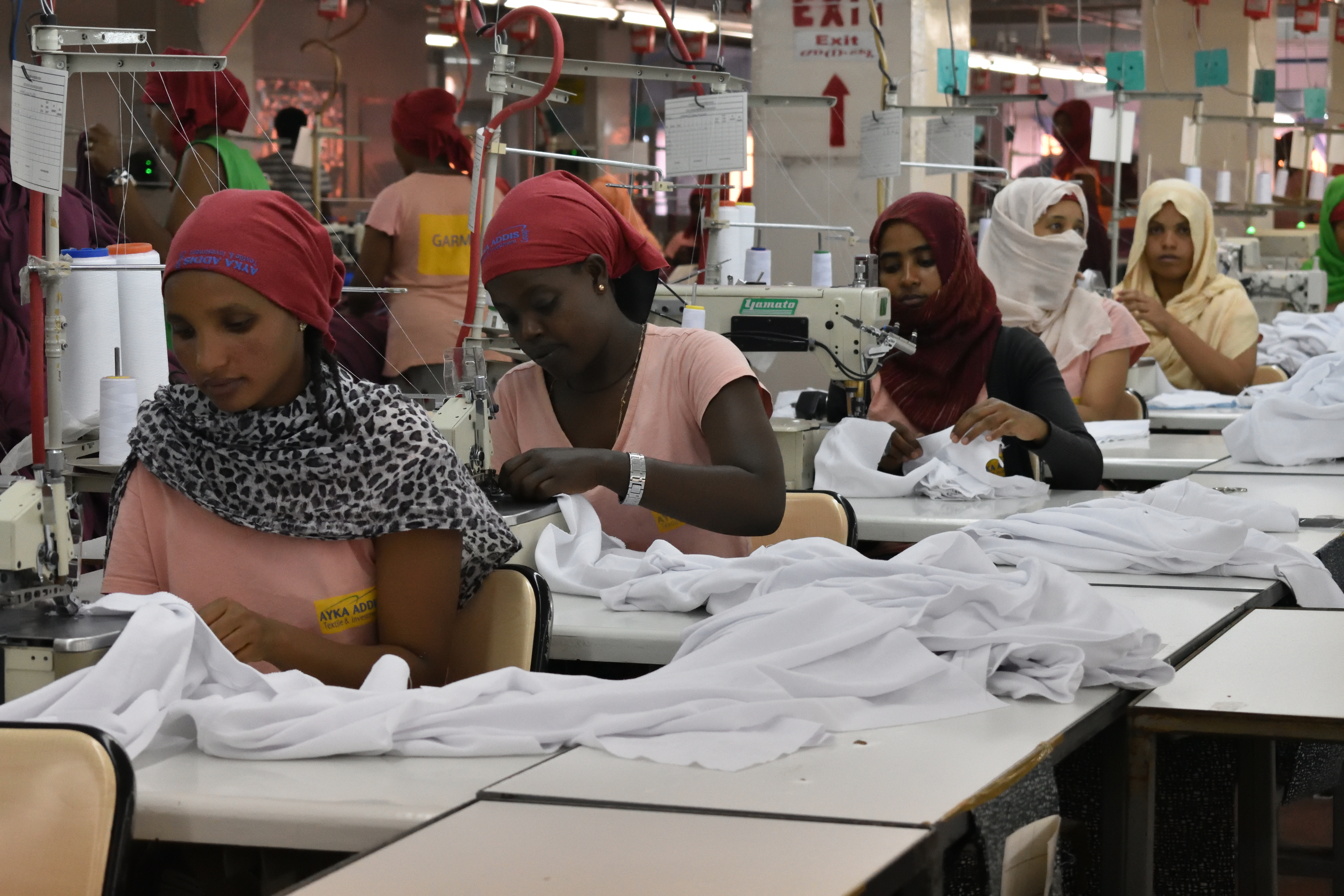
Increasing trade will not automatically benefit people if workers’ rights are not prioritized.
Ayka Addis Factory, Addis Ababa, Ethiopia
When it is fully implemented, many believe the AfCFTA could be a critical breakthrough to improving intra-regional trade, cross border trade and economic integration, creating jobs and contributing to the sustainable industrialization of the continent.
Although trade unions recognize this potential, they have been excluded from the consultations that led to the signing and ratification of the agreement. Trade unions, civil society organizations and communities that will be directly affected have not been given a chance to represent their interests. They argue that this exclusion is against the people-centred approach and transparency of the African Charter on Human and People’s Rights, and fair-trade principles that promote partnerships based on dialogue, transparency and mutual respect.
What is the AfCFTA?
The AfCFTA a wide-ranging agreement that covers trade in goods and services, investment, intellectual property rights, and competition policy. The AfCFTA aims to “promote and attain sustainable and inclusive socio-economic development, gender equality and transformation of state parties.” Further, the agreement intends to “promote industrial development through diversification and regional value chain development, agricultural development and food security.”
According to the United Nations Conference on Trade and Development, in 2017 intra-African trade accounted for only 16 per cent of total exports. The main trader is South Africa which imports petroleum products and exports maize and other items. It is followed by Nigeria and Egypt which export crude petroleum and petroleum gas and garments and textiles and import other products.
Globally, African trade only accounts for 2.6 per cent and mainly trades with Europe. Trade with India and China is also growing.
The AfCFTA aims to achieve transformation through implementing existing continental initiatives, including the Industrial Development Africa, Programme for Infrastructural Development of Africa, Action Plan for Boosting Intra-African Trade and the Comprehensive Africa Agriculture Development Programme. Other projects include the Single Africa Air Transport Market and free movement of people.
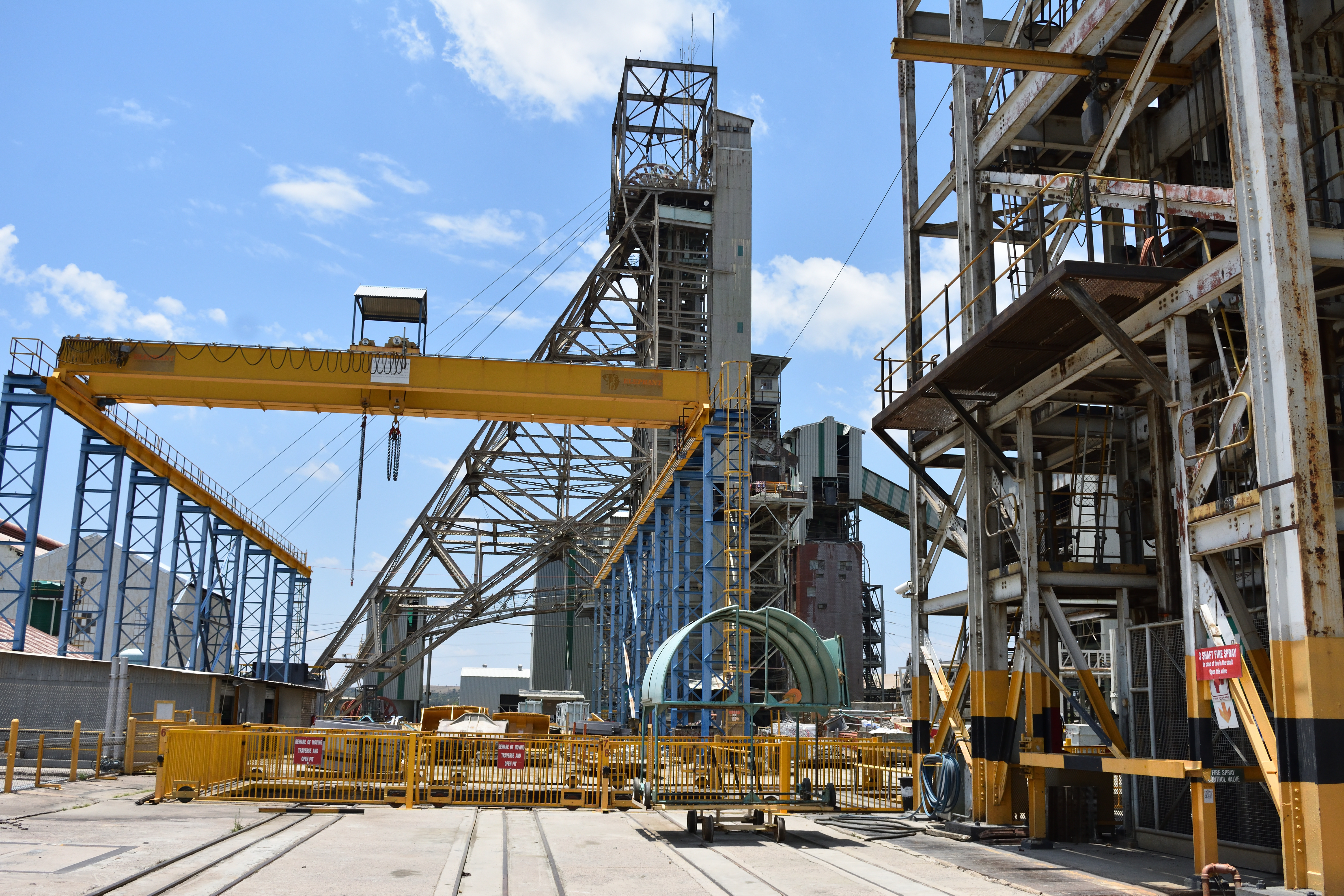
Cullinan Diamond Mine, South Africa
With support from the AU and United Nations Economic Commission for Africa (UNECA), the AfCFTA is driven by ministers and heads of states and government. The agreement has a secretariat which will be based Ghana.
The AfCFTA will create a single market for goods and services for a population of 1.2 billion people and a combined gross domestic product of US$3.4 trillion. The single market will create free movement of people, traders and investments leading to the establishment of a common customs union. According to UNECA, the AfCFTA will become the world’s largest free trade area since the formation of the World Trade Organization (WTO).
When fully functional, the AfCFTA aims to boost intra-African trade by over 50 per cent through the development and promotion of regional and continental value chains. The agreement, which is one of the strategies of the AU’s Agenda 2063 programme for transformation and development, will lead to the achievement of some of Sustainable Development Goals of Agenda 2030.
Benefits of the agreement include increased manufacturing and diversification in emerging economies including Ethiopia, Morocco and Rwanda that are implementing policies that promote manufacturing and industrialization. This means small countries will take advantage of the economies of scale and the huge market provided by the AfCFTA.
The agreement also has provisions that have allowed the struggling economies of Djibouti, Ethiopia, Madagascar, Malawi, Sudan, Zambia and Zimbabwe to benefit from reduced tariffs. According to the Global Manufacturing Competitive Index most of the manufacturing on the continent currently takes place in South Africa, Egypt and Nigeria.
The AfCFTA aims to improve coordination and facilitation of trade across the regional economic blocs. Integration will include bringing together regional economic communities – Arab Maghreb Union, Common Market for Eastern and Southern Africa, Economic Community of West African States, East African Community, the Community of Sahel-Saharan States, and the Economic Community of Central African States, Intergovernmental Authority on Development and Southern Africa Development Community. Among other things, the AfCFTA wants to end competition between the regional economic communities and replace it with cooperation.
The AfCFTA compliments other strategies of the AU including the African Mining Vision (AMV). The AMV identifies sustainable development corridors as a tool for promoting trade and investment, optimizing the use of infrastructure, encouraging value addition, and enhancing the competitiveness of African economies.
The corridors are geographical areas where resources are pooled together to achieve maximum impact.
“The African Spatial Development Programme provides a means to facilitate integrated economic development platforms based on the production of key large-scale anchor (usually in mineral beneficiation) investments and related upstream and downstream investments. They also provide a strategy to catalyse sustainable sectors (agriculture, tourism and resource-processing) and in doing so, provide a tool for introducing a spatial focus to planning for Africa’s infrastructure and economic development.”
The AMV also makes a case for artisanal and small-scale mining to be recognized by governments through policies and regulations. In most countries artisanal miners are criminalized with little or no effort to recognize and formalize their operations. How minerals mined by artisanal and small-scale miners can become part of the mining value chain is also important for the AfCFTA.
The operational instruments of the AfCFTA are rules of origin, the online negotiating forum, the monitoring and elimination of tariff and non-tariff barriers, a digital payment system and the African Trade Observatory – a platform for policymakers and the private sector to make data-driven and evidence-based trade related policies and decisions.
Will it work?
Is the AfCFTA charting a new path?
Africa has never been short of economic and policy documents. The African trade and investment policy landscape is littered with failed grand plans and ambitious policies that have not succeeded in bringing about much-needed trade.
The Organization of African Unity, which became the African Union in 2002, was formed in 1963 in Addis Ababa, Ethiopia, with great emphasis put on economic
co-operation. There were claims that Africa should not depend on aid from the Global North, but develop through trade and investment. Hence ideas of developmental states. Despite this, very little has changed on the ground.
The AfCFTA recognizes existing trade agreements, making it possible for them to complement the AfCFTA rather than compete with it. These include the African Growth and Opportunity Act, Economic Partnership Agreements, and agreements with the WTO. However, existing trade policies have failed to provide the impetus required for industrialization and economic development to take off in Africa.
Further, economic policies sponsored by the International Monetary Fund and the World Bank have not led to sustainable growth, with structural adjustment programmes bringing the worst results. Trade liberalization saw the collapse of most local industries as their products could not compete with those imported from other countries. The privatization of public entities made public goods and services expensive for the continent’s poor.
It remains to be seen if the AfCFTA can transform the economies of the continent from the dependency on primary commodity exports. According to the UNCTAD, this dependency makes African economies vulnerable to the unstable prices on the international market. For instance, the low international oil prices have adversely affected the Nigerian economy while low uranium spot prices have led to the mothballing of Langer Heinrich mine in Namibia, leading to the loss of hundreds of jobs.
What do unions say?
Rose Omamo, the general secretary of the Amalgamated Union of Kenya Metal Workers, which is affiliated to IndustriALL Global Union remarks:
“The long-awaited solidarity between African countries is finally happening. It is time for African countries to have strategic trade agreements to bring together the resources and labour that the continent is rich in and attain strong and sustainable industrial development.
"The AfCFTA is very promising. If the conditions are conducive, then I believe that the transfer of skills, classification of labour and compensation of African workers will be guaranteed. However, I am not sure if there are clear policies to address the labour issues.”
She continues:
“A policy must be developed to guide labour migration. The question of who invests in what country must be addressed to guide foreign direct investment. The movement of labour must include social protection across borders. In case of work injury, compensation should be clearly stipulated within a well-structured occupational safety and health policy.”
Reeaz Chutto, president of the Confederation des Travailleurs des Secteurs Publique et Prive, in Mauritius, also affiliated to IndustriALL, urges a cautious approach:
“The creation of the AfCFTA will inevitably boost trade within the African Continent but will bring opportunities and threats at the same time.
“We should not get into an overwhelming feeling that by increasing trade, this will bring more prosperity to a vast majority of Africans in all the countries that have signed the agreement. Only capital, goods and services will be free to move from one country to the other, not human beings.”
“We are far away from the ideals of Pan Africanism. The AfCFTA will not make our dreams come true. There are fears that many large African economies will disproportionately benefit while others will not be able to save their domestic industries from the dumping of imported goods.”
“The creation of the AfCFTA cannot exist in absolute terms to eliminate trade barriers. The main reason remains that countries will not play on a level field. Some larger economies have the infrastructure and resources to produce good quality goods at lower production cost as they have access to the latest digital technologies. Unfortunately, other countries do not have the proper inland infrastructure to ensure connectivity even inside the country.”
Jane Ragoo, the general secretary of CTSP says trade agreements should cater for social needs:
“Should we close our frontiers, or should we open them according to supply and demand as dictated by market forces? We need to conduct trade that put people first and not the greed of the capitalist system. Trade cannot be free without considering our social, cultural and traditional contexts.”
“We need to protect and value our traditional and artisanal products. Exports of food and agricultural products should be done only after satisfying the local demand and prices should be affordable for all.”
“It is important to focus on land connectivity among African countries to favour a more ecological and affordable transport system of human beings and goods. This will ensure that small and medium sized producers also benefit from the AfCFTA. Better connectivity among African countries will enhance regular migration. Further, it is important for the AfCFTA to promote fair trade which guarantees an equitable livelihood to small farmers through income distribution in the supply chain.”
Unions argue that most of the documents signed so far – the agreement establishing the AfCFTA, the Kigali Declaration and the protocol for the establishment of the African economic community relating to the free movement of persons, right to residence and right to establishment – should include workers’ rights and decent work as protected by International Labour Organization (ILO) conventions, especially Convention 87 on the freedom of association and the right to organize and Convention 98 on the right to organize and collective bargaining. Most African countries have ratified and domesticated these conventions into their national labour laws.
There remains a window of opportunity for a union voice to be heard in the operational phase of the AfCFTA, which was launched on 7 July at the Niger Summit of the African Union, and in negotiations for future protocols. In the operational phase, in which countries develop their implementation plans, important topics such as the future of work and Industry 4.0 can be included.
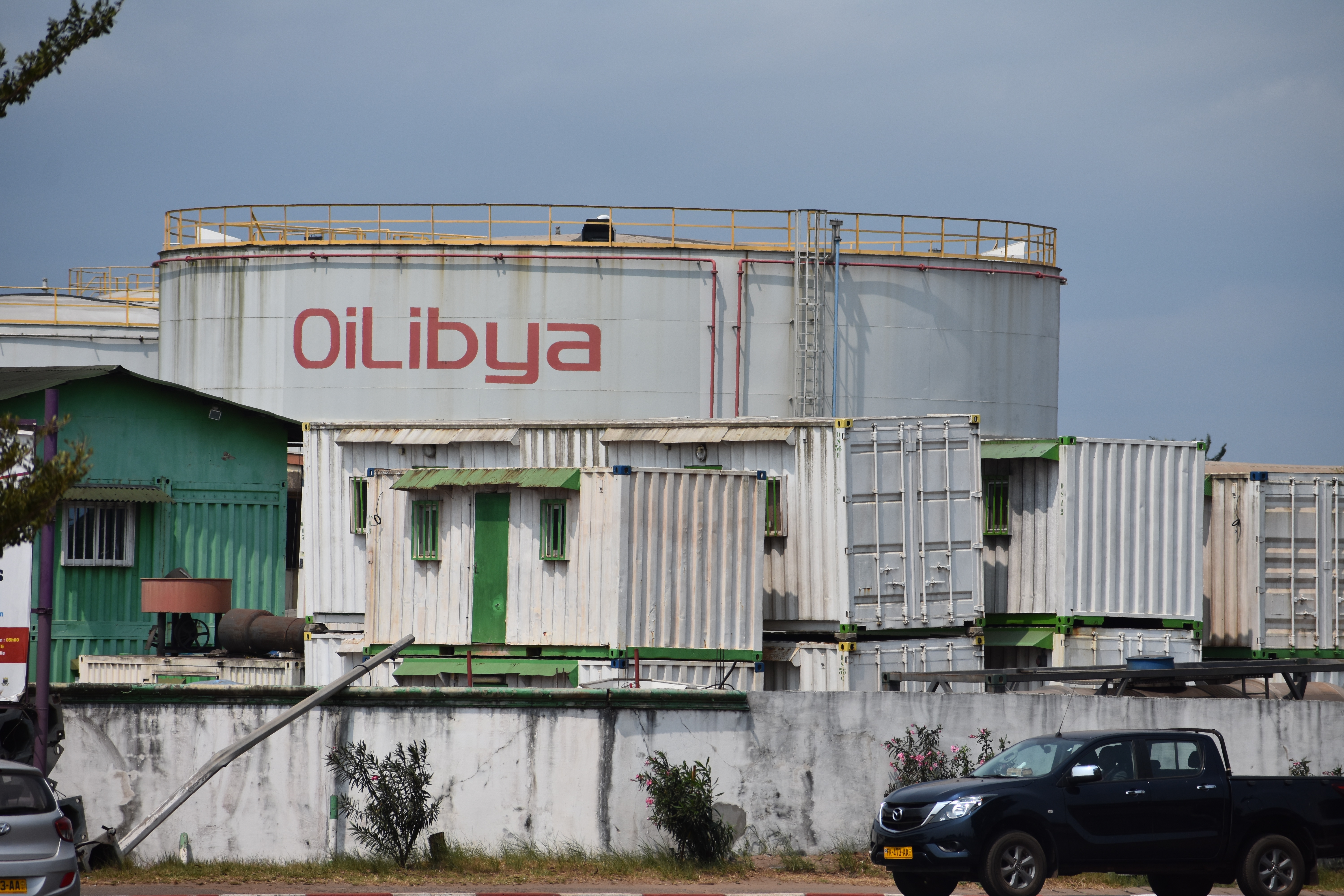
Oil Libya, Port Gentil, Gabon
IndustriALL action plan on trade
At the Executive Committee in Mexico City in December 2018, IndustriALL adopted an action plan on international trade and manufacturing policies to help affiliates become more involved in talks concerning multilateral trade agreements and treaties.