ACT brands adopt accountability on purchasing practices

ACT (Action, Collaboration, Transformation) is a ground-breaking agreement between global brands and retailers and trade unions to transform garment, textile and footwear industry and achieve living wages for workers through collective bargaining at industry level linked to purchasing practices.

Based on comprehensive consultations with suppliers, trade unions and experts, ACT has adopted global commitments of all member brands to change their purchasing practices in five areas that have been identified as essential for enabling suppliers to pay for negotiated wage increases and improve working conditions.

This includes the adoption of a labour costing protocol for ensuring that all direct and indirect labour costs are included in costing calculations for negotiating the purchasing price. The protocol specifies, among other things, that brands will conduct labour costings in line with predicted wage increases as soon as the information becomes available, and that when other cost inputs such as the cost of fabric, energy costs, and the size of order remain equal, wage increases will be covered through higher purchasing prices.

Progress towards full implementation of the commitments will be measured annually through a comprehensive and transparent set of measures, to which brands will be held accountable by IndustriALL.

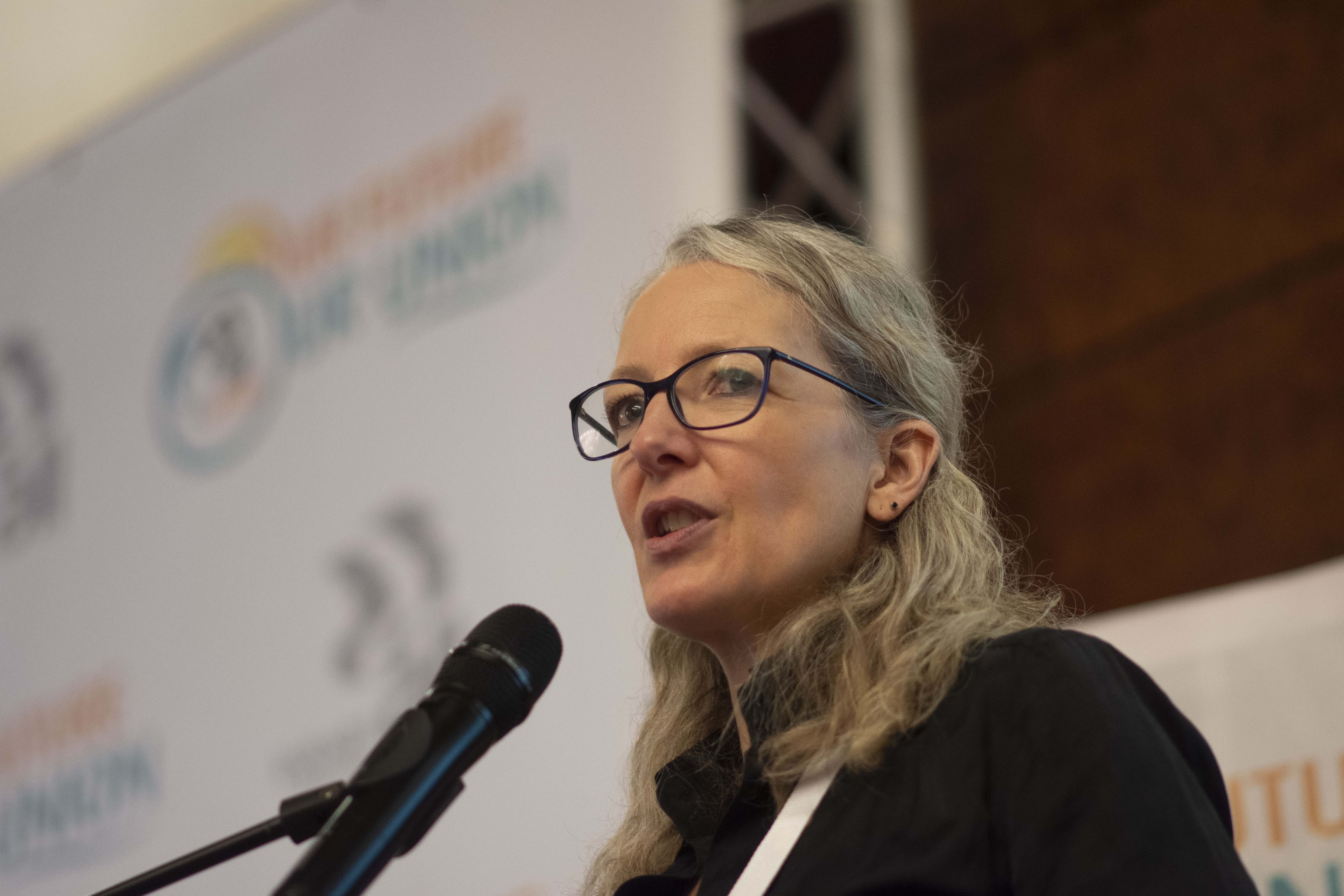
IndustriALL assistant general secretary Jenny Holdcroft says that the ACT accountability and monitoring framework offers a tool for brands to meet international due diligence requirements and become industry leaders on responsible purchasing practices. 

“And it is the basis for providing suppliers with the confidence to enter into sectoral bargaining agreements with trade unions that will improve pay and working conditions. Experience has shown that without such assurances, suppliers will never agree to take on additional costs.

We now call on all other brands in the garment industry to join ACT and make the same commitment to supporting the social and economic upgrading of the industry.”

African women rise for gender equality

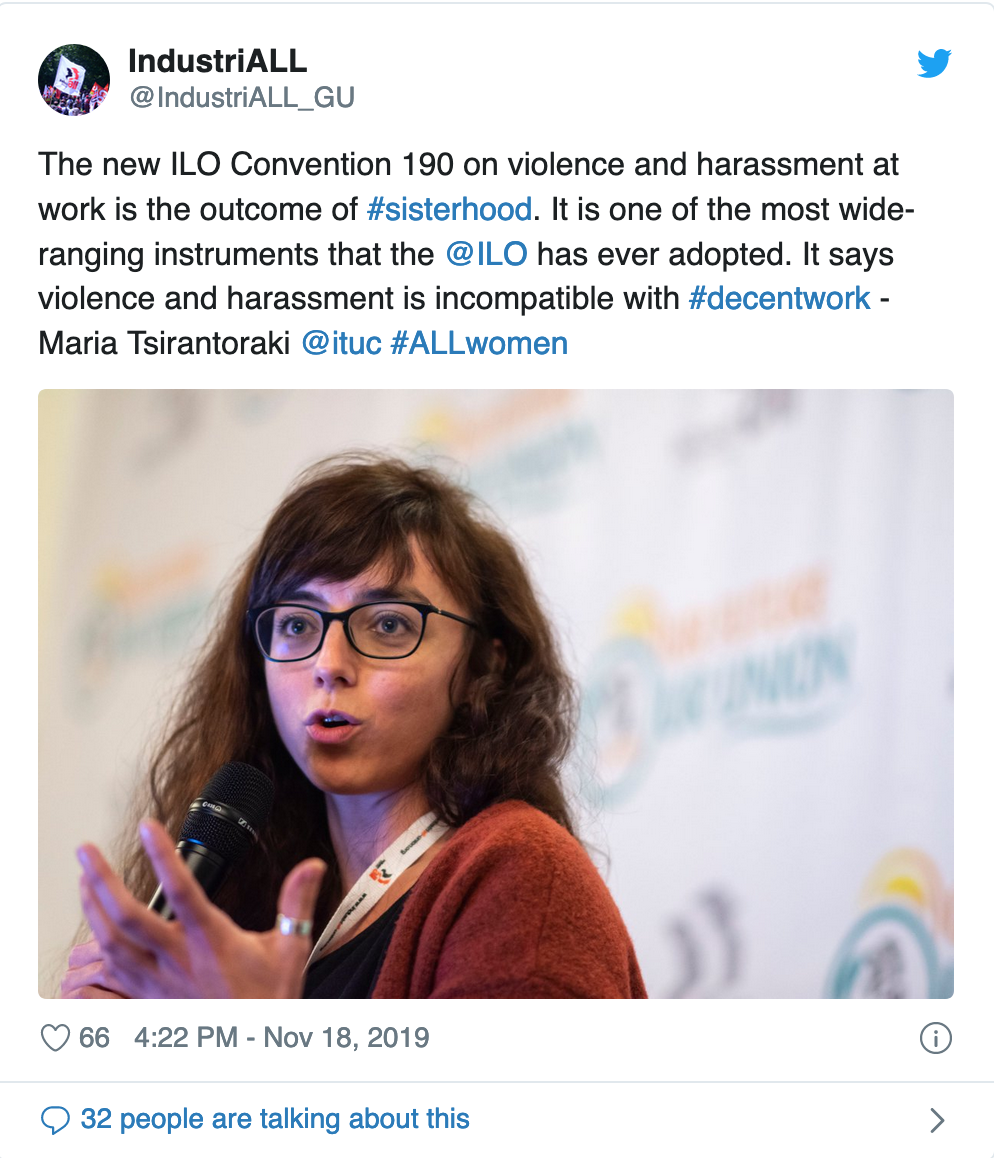
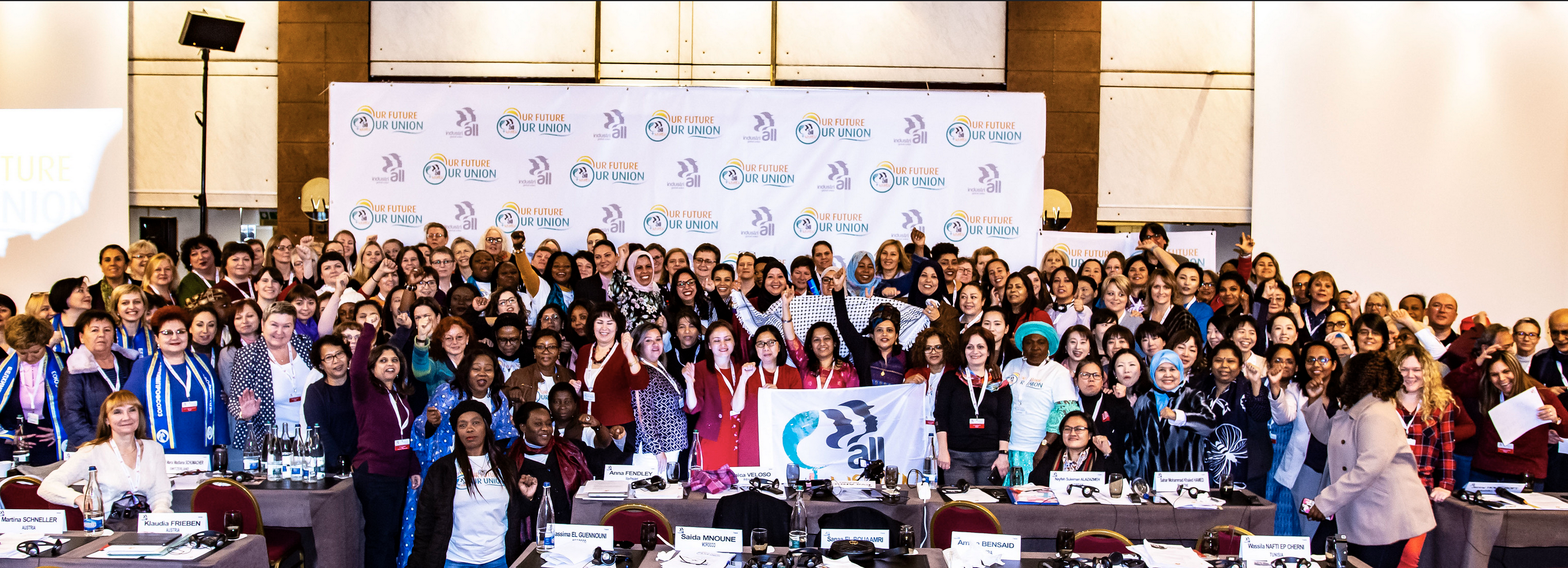
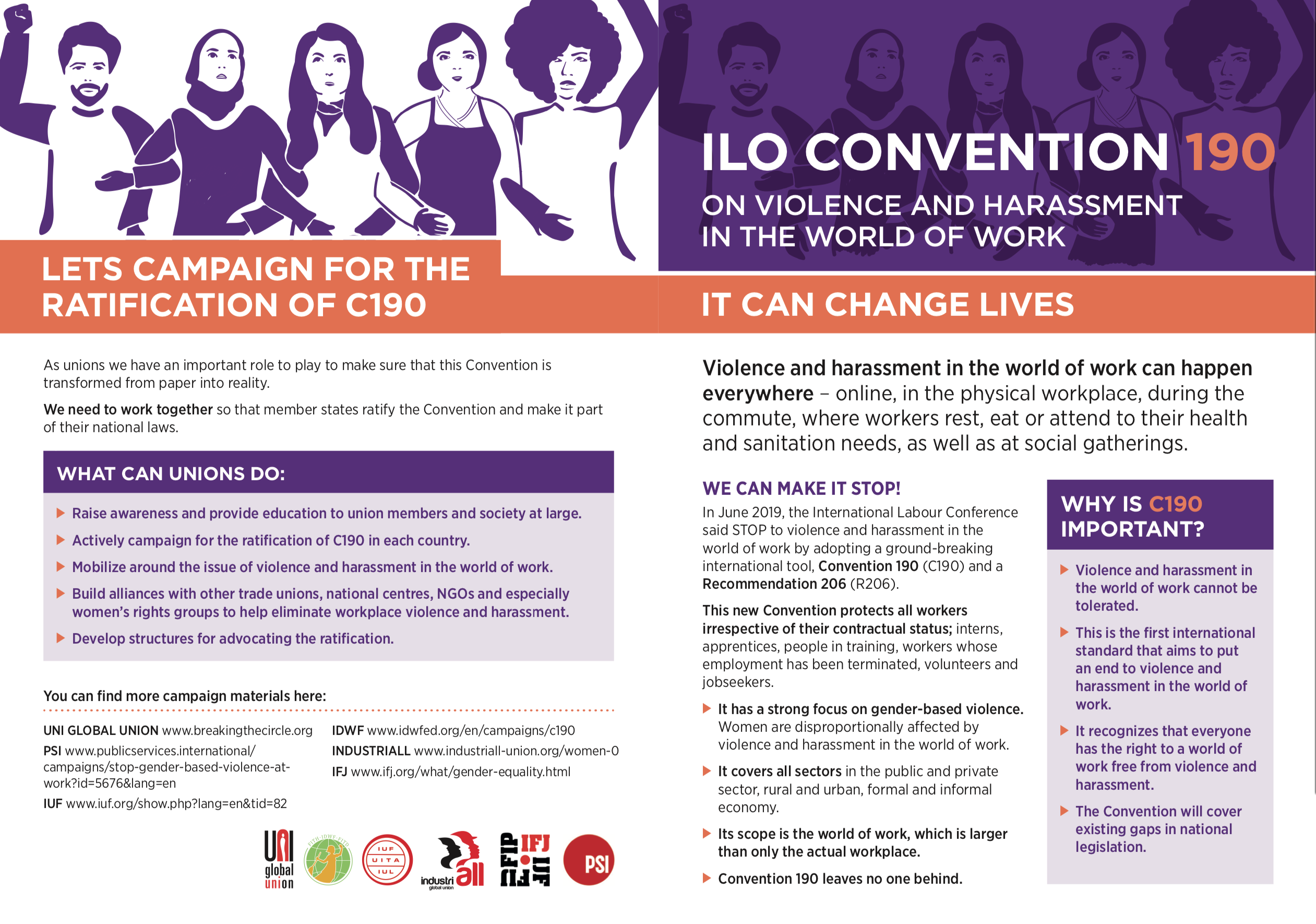
The meeting was opened by regional secretary Paule Ndessomin, who encouraged women to maintain the momentum of the work that had been done. A major part of the discussion focused on the adoption of ILO Convention 190 on Violence and Harassment by the 2019 International Labour Conference.

Mwila Chigaga, a gender expert from the International Labour Organization, said that the Convention is a global mandate to end violence and harassment in the world of work, but warned that the adoption is not the victory: the work starts now. She reminded participants that the Convention needs to be ratified by at least two countries to come into force, and encouraged them to ensure that these are African countries.

“We can't celebrate now. We can celebrate when the Convention is ratified and implemented.”

Mwila Chigaga

“We can't celebrate now. We can celebrate when the Convention is ratified and implemented,”

she said.

“We should primarily see C190 as an international labour standard on gender equality, and see it the context of other conventions: C100 on Equal Pay, C111 on Discrimination, C156 on Workers with Family Responsibilities, C183 on Maternity Protection and C189 on Domestic Work.

“Many of these have not been ratified and implemented. Let's not forget them while we celebrate C190.”

IndustriALL gender coordinator Armelle Seby said,

“Unions have to mobilize and push for ratification. But unions do not need to wait: they should use this instrument to change the lives of workers now. This new instrument is a key tool for trade unions to advance non-discrimination and equality, and fight against gender-based violence in the world of work.”

"I am a gender champion."

Rose Omamo

Rose Omamo introduced herself by saying

“I am the general secretary of the Almagamated Union of Kenya Metal Workers, and I am a gender champion.”

Both Chigaga and Omamo spoke about the need to take the work of gender equality out of the womens’ structure and use male allies to mainstream it in the union.

Chigaga said,

“We need women in leadership positions in unions. But we also need to ensure that the men who are elected are gender champions and feminists.”

There was a discussion about making a practical difference in the workplace, and participants shared that violence and harassment is commonplace.

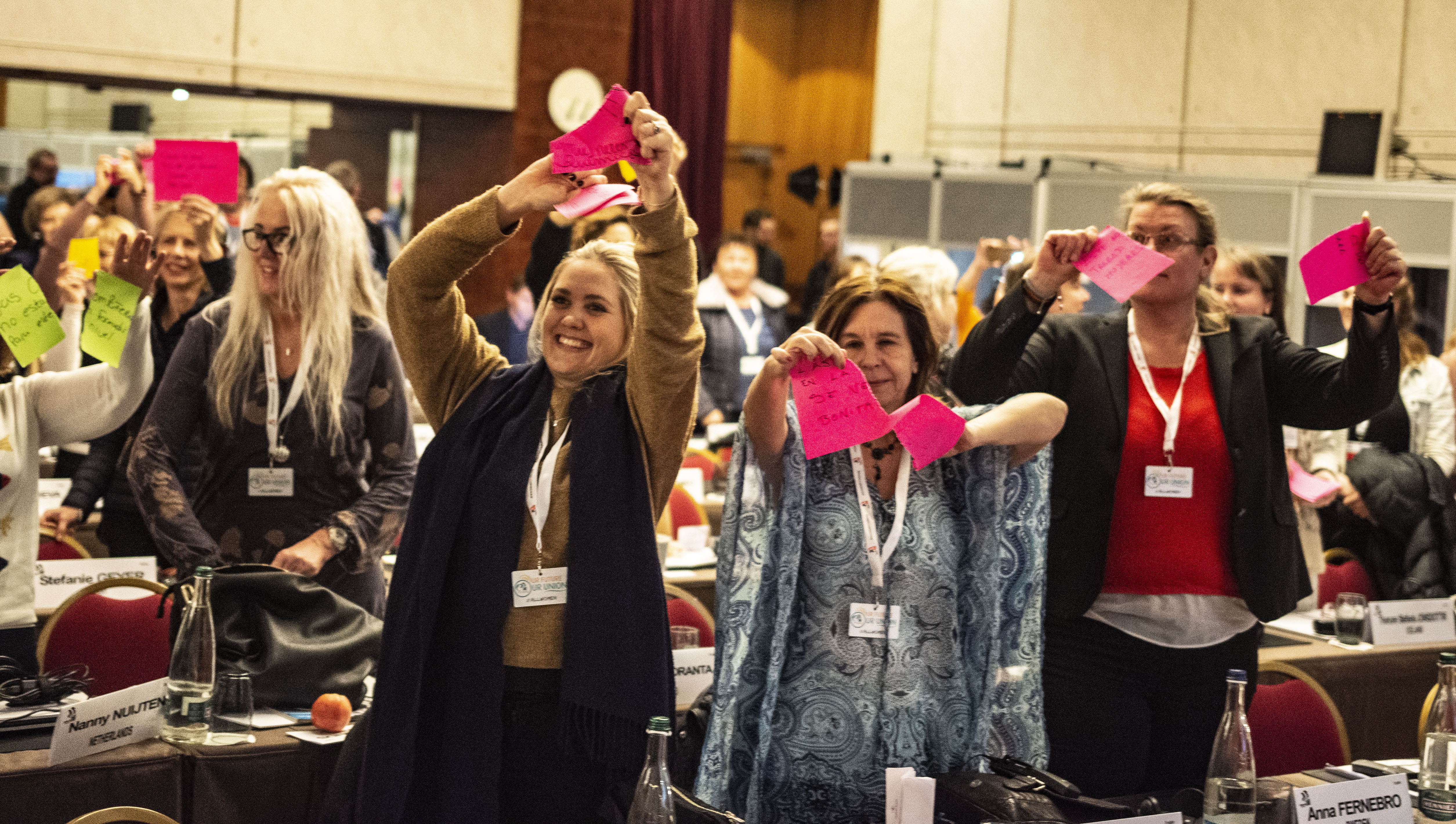
“As women, we need to have each other's backs,” said one participant. “Sisterhood works.”

Tendai Makanza of the IndustriALL regional office urged affiliates to use the tools that we have, especially the Pledge.

“We hope to start a young feminist movement for the region.”

Lydia Nkopane chaired a session which formed the regional women's committee, as follows:

Additional members:

Steelworkers’ resistance secures better contract at Dow Chemical

Members of USW Local 13-1 voted to ratify the new deal, which covers around 235 workers at Dow Chemical’s facility at Deer Park, on 8 October.

It ends months of conflict at the site in Texas, USA, which started when bargaining on a new agreement began in February. The company imposed a seven-week lockout of the workers from April 22 after USW members voted overwhelmingly three times to reject unacceptable proposals. 

The fight of the affected workers was supported with significant solidarity and support from the local community and trade unions.

Locked out Dow Chemical workers at Deer Park, Texas, May 2019

The Dow Dupont North American Labor Council (DNALC), chaired by Kent Holsing of USW, coordinated solidarity support for the Local. IndustriALL is a proud part of that trade union network, and sought to facilitate international support for the Local 13-1 struggle. IndustriALL affiliates from several countries sent solidarity messages to the locked-out workers during the conflict.

Speaking at the 23-26 September 2019 meeting of the DNALC, in Knoxville, Tennessee, Hank Niscavits, Chairman of the workers’ group at Deer Park said: 

“I send a warm message of thanks to the international friends who gave us solidarity in our struggles. Our only demand was for the company to bargain with us in good faith and reach a fair agreement.”

Following the local, national and international solidarity support, the company ended the lock-out on 10 June, and negotiations recommenced.

The DNALC is a strong example of successful trade union networking at a major multinational.  The group provides the space for workers throughout the company to exchange information and to speak to the employer with a collective voice. The group has prioritised protecting members’ jobs and rights through the merger of Dow and DuPont and subsequent spin off into three companies.  The group is currently taking action to reject problems with pay systems.

Kemal Özkan, IndustriALL Assistant General Secretary said: 

“Solidarity works. Throughout this conflict the Deer Park management has behaved terribly.  The full network, which includes IndustriALL Global Union, has shown that it is ready to stand together and support sisters and brothers treated unfairly at Dow DuPont.  Congratulations to USW Local 13-1 and all those involved in this successful struggle.”

African miners say mineral wealth must benefit continent

Major themes of the conference included beneficiation, artisanal and small scale mining, safety and ILO Convention 176, and illicit financial flows.

Kemal Özkan

The meeting was opened by IndustriALL assistant general secretary Kemal Özkan, who explained that there is a crisis of inequality worldwide, but mining unions are at the forefront of developing a union response. He gave the example of the Goodbye Neoliberalism report released by Australian affiliate the CFMEU.

Fred Hans Kipamila

Leaders of local affiliates, Tamim Salehe of TUICO and Fred Hans Kipamila of TAMICO, introduced the work of their unions, and Tanzania's mineral commissioner David Mulabwa welcomed the delegates to Tanzania. He outlined the government's priorities for the sector.

Industry director Glen Mpufane spoke about the boom and bust cycle in the commodities market. The current boom is driven by electric vehicles, but mineral wealth often doesn’t contribute to general economic development.

Glen Mpufane

"The mining industry is like a parallel state, with illicit capital flows which bleed resources from the continent. The African Mining Vision is a pathway for a change to a new economic vision, developed by Africans, to benefit the whole continent,"

he said.

Regional co-chair and NUM president Joseph Montisetse said:

Joseph Montisetse

"Our raw materials are exported and we are left in poverty. That's why beneficiation must be on the agenda of every union."

IndustriALL vice president Issa Aremu of Nigeria said,

"We need to turn the resource curse into a resource blessing."

Issa Aremu

"We need to turn the resource curse into a resource blessing."

Pierre de Pasquale spoke about using the Responsible Mining Index to evaluate how compliant companies are with their stated principles, and Peneyamboko Alina Munkawa of the ILO gave a detailed explanation of ILO Convention 176 on safety and health in mines.

Lydia Nkopane

Lydia Nkopane of the NUM spoke about violence against women. Women in the mining industry face gender-based violence at work, a lack of protective equipment and facilities suitable for women and discrimination in jobs and union positions.

Claude Kabemba of Southern Africa Resource Watch and Luc Assosa of PACT spoke about the situation of small scale and artisanal miners. There are nine million in Sub Saharan Africa.

Kabemba said,

"Artisanal and small scale miners are miners, and they belong in mining unions."

Tendai Makanza of IndustriALL addressed the US$50 billion which is lost annually in Africa through illicit financial flows, through criminal activity, public sector fraud and corporate activity, including tax dodging and under-reporting the value of exported minerals.

Kemal Özkan said:

“We have raised many issues which need to be addressed, both at the world mining conference and tomorrow’s conference on industrialization. Our affiliates need to take the lead in deciding their priorities for action, whether it is campaigning on C176 or something else, and IndustriALL will be there to support them.”

Undoing liberalization to protect electric power workers’ rights

35 union leaders, including six women, from Japan, South Korea, Mongolia, Vietnam, Thailand, Indonesia and Nepal met in Tokyo on 1-2 October to discuss the impact of the economic slowdown and technology revolution on workers.

The network’s chairperson Kaoru Kishimoto said that technological change has precipitated the slow growth of the energy industry, however energy consumption is steadily increasing due to the growth of multinational companies in Asia.

In 1998, the economies of South Korea and Indonesia were severely hit by Asia’s financial crisis. Both governments took IMF’s advice to liberalize foreign investment and dismantle domestic monopolies.

“IMF’s liberalization policy not only broke up the Korean Electric Power Corporation (KEPCO) into six subsidiaries and six unions; there is now a wide use of outsourced workers.

“The Korean National Electrical Workers’ Union (KNEWU) has successfully persuaded the company to change the status of thousands of temporary workers to permanent workers. We are undoing the damaged done by the IMF 20 years ago,” said Choi Cheol Ho, KNEWU president.

“After the financial crisis, the Indonesian government signed a letter of intent with the IMF to liberalize the electric power sector. As a result, the process of power generation, transmission, distribution and engineering support are handled by different companies.

“Most subsidiaries hire contract workers making organizing difficult. And there is a huge welfare gap between subcontracting workers’ and permanent workers,” said Galih Wawan Haryantho, sectoral secretary of Chemical, Energy and Mines Workers Union (CEMWU).

The explosion at the Fukushima nuclear plant in 2011 has led to a declining interest in joining the nuclear power industry. Kishimoto said that a recovery of society’s trust is vital to be able to increase the current workforce of 80,000.

“Public opinion in Mongolia is divided over the construction of nuclear power plants, with fears over how it will affect animals and the environment. The government has postponed building a nuclear power plant, said” Said Khuyag Buyanjargal, president of Federation of Mongolian Energy and Mining Trade Union.

Change of network leadership

The meeting saw Koji Sakata, the current president of Japanese union DENRYOKU-SOREN, succeeding Kishimoto as the new chairperson of the network.

The meeting concluded with a visit to the Kawasaki thermal power station in Yokohama.

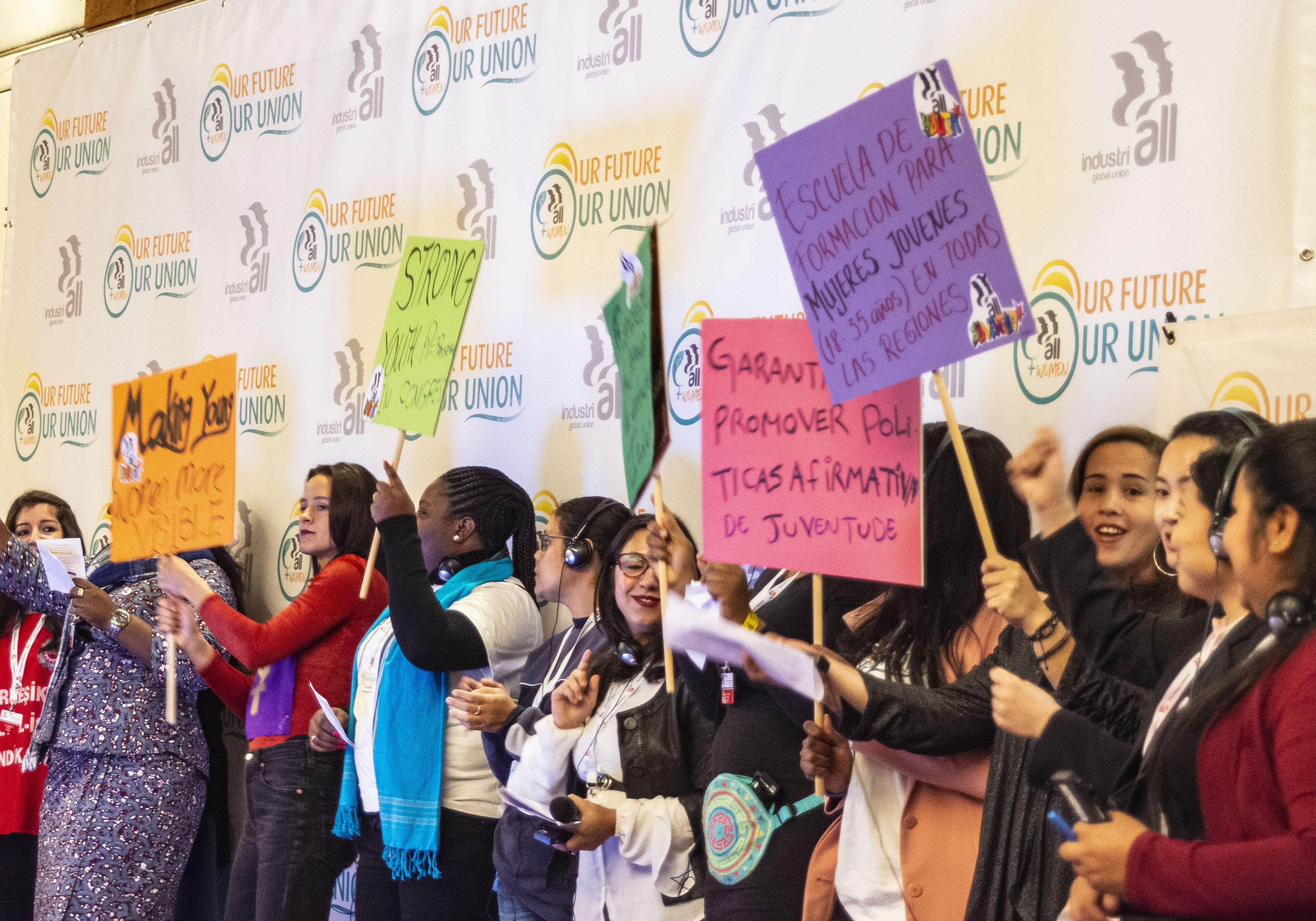
Youth in Sub Saharan Africa create regional structure

The 44 delegates from 11 countries were joined by guests from a number of organizations, including the ILO, BWI, UNI Global Union, SASK and the Friedrich Ebert Stiftung, which sponsored the event.

The delegates displayed spirit and enthusiasm, frequently breaking into call and response chants celebrating union power, and songs to create a sense of unity and movement. They sang songs from the trade union struggle, including Asinamali (“We don’t have any money”), Asifuni Agenda yama Capitalist (“We don’t want the capitalist agenda”) and My Mother was a Kitchen Girl.

A panel discussion was held with participants exploring different aspects of youth organizing in their countries.

“Youth are marginalized. People put us down, not by the power of their arguments, but with the weight of their years,”

said Tafadzwa Eustace Chidhindi of Zimbabwe.

Tolulope Fagbamigbe of Nigeria pointed out that young women workers are doubly oppressed by ageism and patriarchy. When there is an invitation to a youth meeting, men old enough to be their fathers are first in line to attend.

After a presentation on the ILO Centenary Declaration by Mban Kabu of ILO ACTRAV, participants discussed how the future of work was likely to play out in the African context and developed proposals for young workers marginalized by a growing informal sector.

They felt that their familiarity with new technology meant that they could benefit from new forms of work. Sweshta Soomungull of Mauritius asked:

“Since when have unions been afraid of challenges?”

There were debates about the suitability of union structures for organizing young workers. Iris Nothofer of the FES Trade Union Competence Centre Sub-Saharan Africa raised a provocative question: is there a conflict between union democracy and efficiency?

“Democratic structures and procedures are necessary but not sufficient. We need vibrant rank and file networks,”

she concluded.

IndustriALL youth coordinator Sarah Flores spoke about the importance of youth developing autonomous structures and their own way of working. The participants divided into three groups to develop their policy and the structure.

They identified the following priorities:

  1. Formulate a regional structure
  2. Develop youth leadership
  3. Develop a union education programme for youth
  4. Formalize alliances with civil society
  5. Including youth in collective bargaining
  6. Integrate youth into industrial policy

Rose Omamo, general secretary of AUKM in Kenya, led the election process.

The vote was as follows:

Chair: Emmanual Adjei-Danso of Ghana
Vice chair: Christian Rutendo Ranji of Zimbabwe
Secretary: Victor Notaye Ngwane of South Africa

Committee:

Sweshta Soomungull of Mauritius
Tolulope Fagbamigbe of Nigeria
Prisqua Miharilala of Madagascar
Maria John Bange of Tanzania

IndustriALL regional secretary Paule Ndessomin said:

“I am impressed by the passion and commitment we saw here today. The future looks bright! Now that a structure has been created, young unionists can work together effectively.”

Unions debate Green Technology and Industry 4.0 at SKF

From 30 September – 3 October, over 40 delegates and observers from 20 countries met in Steyr in Austria and had a vital exchange among themselves as well as with the group’s top management.

SKF is a world leader in the bearings business and around rotating machine parts with more than 47’000 employees around the world. SKF is also known as one of the leading companies implementing numerous transformations in the field of digital development aimed at “smartifying” their manufacturing industry all over the world.

Kennet Carlsson, Swedish chairman of the WUC, said with respect to the discussions with top management:

“In the light of a fast change in business climate, with additional challenges for trade unions resulting from digitalization and other challenges, we strive for more flexibility. Therefore, it is more important than ever before that SKF’s World Union Council is the cornerstone of social dialogue with management in order to tackle the actual and future challenges together with management.”

Alrik Danielson SKF CEO and Kennet Carlsson, Swedish chairman of the SKF world union council

The WUC spent a full day in dialogue with SKF top management, led by group president and CEO Alrik Danielson, about the company’s development, strategy and activities. Also, the actual business climate and digitalization as well as new and improved health and safety models were discussed between the over 40 delegates from around the world and the group management.

WUC vice chairman Norbert Völkl from Germany, summarized:

“Industry 4.0 is a huge challenge for all employees, not only generally in the industry, but also in SKF in specific. We have to make sure that this does not lead to uncertainties for the workforce. That’s why WUC and management together have the responsibility to care for a good qualification and secure workplaces for the employees.”

WUC vice chairman Norbert Völkl

Matthias Hartwich, IndustriALL’s director for mechanical engineering, addressed the delegates and observers :


“SKF world union council is a quite unique group that has the rare chance to address employees’ concerns but also proposals and ideas to the management. You, the delegates and observers have to make good use of this institution. IndustriALL Global Union will be at the WUC’s side also in the future in order to assist you all.”

Photos from the meeting are downloadable from IndustriALL Flickr channel.

Making use of global agreements in the garment industry

Global fashion brands, ASOS, ESPRIT, H&M, Inditex and Tchibo, which have signed GFAs with IndustriALL Global Union, also joined the meeting on 23 and 24 September.

GFAs are becoming a stronger tool for improving labour relations in the supply chain and there was a call for IndustriALL to negotiate such agreements with more global brands.

Participants discussed how GFAs and social dialogue could be used to promote the new ILO Convention 190 and Recommendation 206 on Violence and Harassment in the garment sector. Gender-based violence, and particularly sexual harassment, is prevalent in the industry. Most garment workers are women and many are young and migrant workers, who are not aware of their rights. They have little access to safe housing and transportation, while the fashion industry generates excessive overtime, low pay, and long working hours.  

The meeting concluded that it was urgent for trade unions and brands to promote the ratification of the new Convention. Trade unions should also push to review existing collective agreements and GFAs, to ensure they are in line with the Convention 190. 

Unions exchanged experiences on the best ways to monitor global framework agreements and there was strong support for production country trade unions to play a greater role. National unions are essential in ensuring that the GFAs are implemented in the global brands’ supplier factories.

Christina Hajagos-Clausen, IndustriALL director for the textile and garment industry, said:

“The increase of unionization rate in GFA supplier factories is key to enable trade unions to monitor the agreements and to ensure that workers’ rights are respected in the global garment supply chain.”

The meeting is part of IndustriALL Global Union’s programme on GFA implementation, which is supported with the assistance of the DGB Bildungswerk.  Since the beginning of the work, trade unions in Turkey and Bangladesh have organized over 50 new GFA supplier factories.

Global framework agreements are negotiated at a global level between trade unions and a multinational company. They put in place the very best standards of trade union rights, health, safety and environmental practices, and quality of work principles across a company's global operations, regardless of whether those standards exist in an individual country.

Victory for workers as shipyard is saved

The shipyard in Northern Ireland that built the Titanic, Harland and Wolff, has been saved with investment and a programme of future work to follow, by UK company InfraStrata.

Harland and Wolff went into administration on 6 August, putting 120 jobs at risk after the Norwegian parent company had collapsed. In an attempt to prevent speculators and asset strippers from taking over the shipyard, the workers occupied the yard. The occupation of the shipyard lasted for nine weeks.

While the workers are still technically employed, they have not been paid for weeks. IndustriALL affiliates Unite the Union and GMB have ensured the continuation of employment contracts and the workers are expected to return to work in the coming days.

IndustriALL, general secretary Valter Sanches, says:

"The shipyard workers fought back to save their jobs and won a landmark victory.

During their struggle, IndustriALL publicly expressed full support and solidarity with the workers, we now  congratulate them and applaud this demonstration of what organized workers can achieve."

Oil and gas unions in Indonesia unite to organize

The meeting, which was the first of its kind, included representatives from IndustriALL affiliates, FSP KEP-KSPI, CEMWU, FSPPB and the Federation of Oil & Gas SARBUMUS. Together, their members include workers at Air Liquide, Linde, Schlumberger, Halliburton, Pertamina, Chevron, Geoservices, Conoco Philips, Petro Gas and Mesco Sarana Utama.

Multinational corporations are playing a significant role in the country, and the meeting highlighted that IndustriALL affiliates need to strive towards effectively negotiating with these corporations to get collective agreements that are pro-worker.

IndustriALL's  Indonesian affiliates made a plan to work together 

The main problem resides in the vast expanse and geography of the country, which has more than 17,000 islands, making it very difficult to meet workers or involve them in national unions.  Many companies already have their own house unions but they are not linked to unions at the national level.

Delegates showed a strong commitment to follow the action plan designed during the workshop, which includes plans to map multinational companies in the country and hold meetings with union leaders every two months to share information and debate key challenges and points.

Specific training on how to draft collective bargaining agreements in the sector will be developed and the unions will devise a strategy to organize women. At Chevron in Indonesia, there are only 800 women out of 20,000 workers.

Diana Junquera, Energy Director, said:

“Indonesian unions need to build a strong union network in the oil and gas sector and work together with house unions. The workshop has helped participants see the value in creating a national oil and gas network as a means to communicate better and support workers in the sector.”

In 2020, the group will meet again to evaluate progress and update the situation.