African trade unions push for HRDD in green minerals surge

The theme of the conference: “Promoting human rights and responsible business conduct in the world of work: from Global Frameworks to African realities” resonated well with other meetings that week which included the regional executive, women, youth and textile and garment network meetings and underscored the need for robust frameworks to safeguard labour amid the African Continental Free Trade Area’s transformative push.
 
The conference aimed to deepen understanding of HRDD and responsible business conduct, strengthen trade union capacity to monitor workers and human rights risks and advocate for national and sectoral HRDD frameworks. With Africa’s mineral wealth central to the energy transition, delegates stressed that HRDD is vital to prevent exploitation while advancing sustainable development, aligning with the African Union’s Agenda 2063 and the African Mining Vision.
 
The Democratic Republic of Congo’s (DRC) cobalt supply chain, which account for over 70 per cent of mined cobalt globally according to the World Bank, took centre stage. Theodore Kamwimbi of the University of Western Cape’s Centre for Transformative Regulation of Work called for stringent monitoring and remedies, particularly for youth and women in artisanal mining and to end child labour.
 
Davidzo Muchawaya, IRMA’s Africa Lead, detailed the audit of Chinese firm, Tenke Fungurume Mining in the DRC, noting concerns over transparency and health and safety. IRMA’s safeguards, including off-site interviews and the first-ever audit of a Chinese DRC site was hailed as step towards compliance and accountability.
 
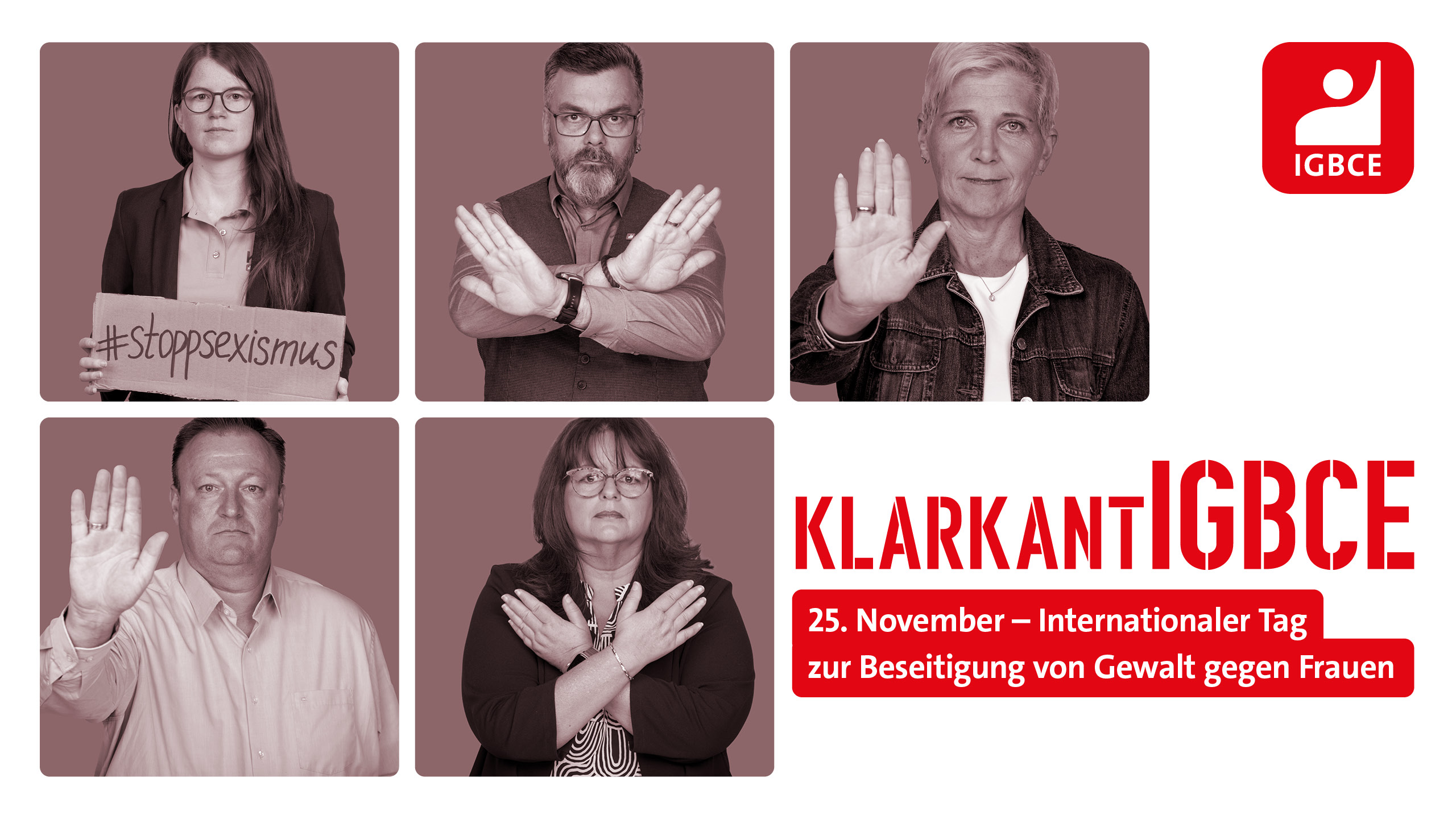
Global models like the EU’s Corporate Sustainability Due Diligence Directive and Germany’s Supply Chain Act were discussed. Judith Kirton-Darling of industriAll Europe called the EU framework a “blueprint for balancing corporate duties with worker remedies,” while Alexander Nolte of Germany’s IGBCE highlighted the German law’s transparency mechanisms as a guide for African states navigating global trade.
 
Union strategies drew inspiration. For example, Grahame Kelly general secretary of Australia’s Mining and Energy Union shared tactics like leveraging pension funds, prompting the conference to explore Australia-Africa HRDD trade union collaboration. 
 
IndustriALL mining director, Glen Mpufane, warned that without HRDD, “Africa risks becoming a conduit for exploitative labour practices.” He emphasized HRDD role in organizing workers in critical minerals like cobalt and lithium, where labour abuses in Sub-Saharan Africa have drawn scrutiny. The conference highlighted HRDD’s urgency in textiles and garments industries which are facing fast fashion’s race to the bottom and emphasized that advocating for gender-sensitive protection for women workers is key.
 
Practical tools were an important focus. Kemal Özkan, IndustriALL assistant general secretary, said the HRDD Competence Centre, set for a 2026 launch, in which UNI Global and IndustriALL are in partnership, will support HRDD in mining and textiles. Miriam Neale, interim director, outlined training to bolster union capacity, though delegates raised concerns about sustainability and reaching shop-floor workers. Calls emerged to shift voluntary global frameworks to binding ones. A regional mapping tool, which enables unions to track violations, including gender-specific risks and a panel discussion on how national action plans on business and human rights were being implemented in Ghana, Kenya and Uganda discussed strategies.
 
IndustriALL general secretary, Atle Høie, said:

“Africa must forge HRDD pathways rooted in local realities and global best practices,”

urging unions to hold corporations accountable.

South East Asian unions unite for worker safety

The committee members identified heat stress as one of the most important health and safety issues in garment, textile, electronics and other manufacturing sectors. Some electronics factories have increased the temperature of air-conditioning systems as a measure to cut costs, many workers are feeling hot because they are required to wear thick apparel to operate machines in clean rooms. 
 
Garment workers in Cambodia are suffering from heat stress. The increase of temperature in garment factories will affect workers' health, a good ventilation system and prevention of fire and explosion measures are required. The Cambodian government has issued a directive to ensure that the work environment temperature must be lower than 32 degree celsius or else labour inspectors will impose a penalty. 
 
The president of Collective Union of Movement of Workers (CUMW) Pav Sina said: 

“We have disseminated the information relating to heat stress, government directive and the necessity of a good ventilation system in garment factories. Heat stress will negatively impact productivity and working hours as workers are exposed to heat-related diseases and workplace hazards. Companies should consider scheduling shifts during cold hours and installing air-conditioning systems in factories.”

 
The regional occupational safety and health workshop outlined other action plans:

The participants agreed that the inclusion of ILO Conventions 155 and 187 as fundamental conventions underlines the importance of safety and health at workplaces. Trade unions must play a vital role to implement policy strategies integrated in the conventions, educating unionists to focus on prevention and reporting of occupational diseases or accidents.
 
There is also a consensus that OHS committee members should mutually learn from each other, for example the implementation of ILO Convention 176 on Safety and Health in Mines in Mongolia and Philippines. Indonesia unionists are facing serious safety and health issues at nickel mines in Morowali, but the government refused to ratify Convention 176 on the ground that there are already sufficient laws and regulations.
 
IndustriALL  South East Asia regional secretary, Ramon Certeza, said:

“Health and safety have become universal rights after the inclusion of two conventions as fundamental conventions and evolving United Nations' normative guidance for occupational health and safety. We as unions must continuously demand three fundamental workers' rights in health and saftey – right to know, right to refuse and right to participate in decision making.”

Birleşik Metal-İş fights rights violations at SAG Hidrolik

SAG Hidrolik, the Turkish subsidiary of the Italian-owned SAG Group, manufactures hydraulic hose and pipe systems for the automotive, agricultural machinery, heavy vehicle and railway sectors. Established in 2011, the Hendek plant employs 114 workers and plays a strategic role in SAG Group’s global supply network.
 
In August 2025, workers at the factory exercised their constitutional right to organize and joined Birleşik Metal-İş. On 4 August, the Ministry of Labour and Social Security certified that the union had secured the majority and is therefore the official bargaining agent.

Instead of accepting this lawful decision, the company retaliated. On 11 August, union member Onur Karaman was dismissed without severance pay and without any just cause. On August 29, 2025, Ercan Barutçu was also dismissed without any just cause followed by the unlawful dismissal of Ceylan Civelek on 5 September, just before her wedding. Managers threatened workers with factory closure if they did not resign from the union, while imposing new restrictions on communication and movement inside the workplace.
 
Birleşik Metal-İş has filed a criminal complaint with the Hendek Chief Public Prosecutor’s Office, documenting these violations of trade union rights and identifying those responsible for pressuring workers to resign. The union has also reached out internationally, with support from Italian union FIOM, which has already opened dialogue with SAG Group management in Italy.
 
The actions of SAG Hidrolik amount to a serious breach of the Constitution of the Republic of Türkiye, Law No. 6356 on Trade Unions and Collective Labour Agreements and binding ILO Conventions ratified by Türkiye. Birleşik Metal-İş is demanding the immediate reinstatement of dismissed workers, recognition of the union as the bargaining agent, the start of collective bargaining negotiations and an end to all anti-union practices.
 
IndustriALL Global Union has pledged its full solidarity with Birleşik Metal-İş and the workers at SAG Hidrolik. Together with affiliates and allies, IndustriALL is raising the issue internationally, demanding that SAG Group respect the democratic choice of its workers in Türkiye.
 
Özkan Atar, president of the United Metalworkers’ Union said: 

“It is unacceptable that SAG Hidrolik, while recognizing the union in Italy, violates workers’ rights at its factory in Türkiye. Women workers face pressure for exercising their right to unionize and two leaders were unfairly dismissed. Our resistance has continued for over a month and with the solidarity of IndustriALL Global Union and industriAll European Union as well as the international trade union movement, we will fight until our members are reinstated and union rights fully recognized.”

 
IndustriALL assistant general secretary Kemal Özkan said:

“The dismissals, intimidation and threats at SAG Hidrolik are a direct attack on workers’ fundamental rights. Our members have chosen their union freely and lawfully and this decision must be respected. We will continue this struggle until every dismissed worker is reinstated and collective bargaining begins.”

IndustriALL Europe general secretary, Judith Kirton-Darling, said:

“As a European group, SAG should uphold European values for all its operations, including respect for trade union rights and social dialogue. Penalising workers for simply joining a union, is shameful and unacceptable. SAG is applying double standards by treating its Turkish workforce differently and denying their fundamental rights. IndustriAll Europe stands unequivocally with Birleşik Metal-İş and demands that SAG Hidrolik immediately reinstates the dismissed workers, recognises the union and begins genuine collective bargaining.”

 
The fight at SAG Hidrolik has become a critical test case for trade union rights in Türkiye, with Birleşik Metal-İş leading the struggle on the ground and IndustriALL ensuring that the company and authorities face international pressure to uphold workers’ constitutional and international rights.

Mental health, a common concern for the network of CMPC workers’ unions

The aim of the meeting was to strengthen the regional network of unions representing workers at CMPC – a Chilean pulp and paper multinational with manufacturing operations in more than 10 countries, including Chile (its headquarters), Brazil, Argentina, Mexico, Peru and Uruguay – and to promote experience sharing and joint initiatives to improve working conditions.

One of the main points agreed on was the need to prioritise action in the area of occupational health and safety, with particular emphasis on mental health. This issue was repeatedly raised by representatives from different countries, concerned with the consequences of the excessive work pace, staff shortages, long working hours and unsafe or violent work environments, risk factors identified by the World Health Organization (WHO).

Reflecting the article Mental health – an important part of health and safety, published by IndustriALL, it was highlighted that while protecting mental health at work is part of an employers’ duty of care, trade unions also have a key role to play in preventing and tackling these issues. Understanding the risks and knowing how to intervene is fundamental to improving the quality of working life.

During the meeting, the network’s coordinators, Walter Fogaça (Brazil) and Claudio Ríos (Chile), gave an update on trade union actions at regional level, while the country representatives presented the situation at their plants. Mental health was highlighted as an issue common to all of them.

Tom Grinter gave a global overview of the sector, mentioning the progress made at the recent conference in Jakarta and suggesting ways forward, such as regular meetings, targeted research on production and supply chains, a regional database and initiatives to strengthen trade union networks.


Alejandro Valerio closed the meeting by outlining the next steps to be taken, such as conducting trade union mapping of the region, making progress with the drive to unionise outsourced workers and creating a joint space for health and safety at work, with special emphasis on mental health.

Finally, he stressed the crucial role played by trade union networks:

“They are a very useful tool for people working for the same multinational in different countries, helping them build union power and develop joint actions to achieve better social dialogue with the company, establishing regional benchmarks to try level up labour rights and social benefits in every country where the same company operates.”
 

Photo: Fabiano Panizzi para Tissue online

Bangladesh’s shipbreaking yards remain danger zones

In the first week of September alone, two major incidents were reported from Chattogram. On 3 September, a worker at Chittagong Steel’s yard sustained severe head injuries and remained in intensive care for three days at Chattogram Medical College and Hospital. Days later, on 7 September, another worker was seriously injured while cutting metal at Jamuna yard. Earlier in August, a powerful blast occurred at King Steel’s yard, which left two workers with severe burns.

These repeated accidents underscore the urgent need to ensure that the promises of the Hong Kong Convention (HKC) are translated into reality on the ground. HKC was ratified by Bangladesh in 2023 and came into force in June 2025. While the Convention represents a critical first step towards safer yards, shipbreaking in Bangladesh continues to harm workers’ lives due to negligence, poor enforcement of rules and lack of employer accountability.
 
Ashutosh Bhattacharya, IndustriALL South Asia regional secretary, said:
 

“The industry must move beyond paper compliance and ensure that shipbreaking yards truly become safe workspaces. Without genuine commitment from employers, effective government inspection and strong worker participation, Bangladesh’s shipbreaking industry will remain among the world’s deadliest industries despite the historic ratification of the Hong Kong Convention.”


On 10 September, IndustriALL organized a roundtable in Chattogram with affiliated unions, government representatives and employers’ association, reiterating the urgent need for trade union inclusion in the governance of the shipbreaking industry, particularly in the functioning of the Bangladesh Ship Recycling Board. The meeting called for the creation of a comprehensive worker database, the right to access information and recognition of trade union rights. Affiliates continue to advocate for the registration of unions under the group of establishments and streamlined processes to establish a trade union registration office in Chattogram.

Walton Pantland, IndustriALL shipbuilding and shipbreaking director, said:

“The safety crisis in shipbreaking needs to be addressed urgently. The reputation of Bangladesh as a safe destination for end-of-life ships is on the line and if the situation does not improve, the industry will lose out to competing countries. The best way to improve the situation is to involve workers through joint health and safety committees.”


IndustriALL is in discussion with the ILO and GIZ to initiate a pilot programme on social security and employment injury benefits for shipbreaking workers in Bangladesh, similar to the ready-made garments sector. The employers' association also expressed its support for the initiative and urged the government to expedite its rollout. 

IndustriALL women lead push for equality ahead of Congress

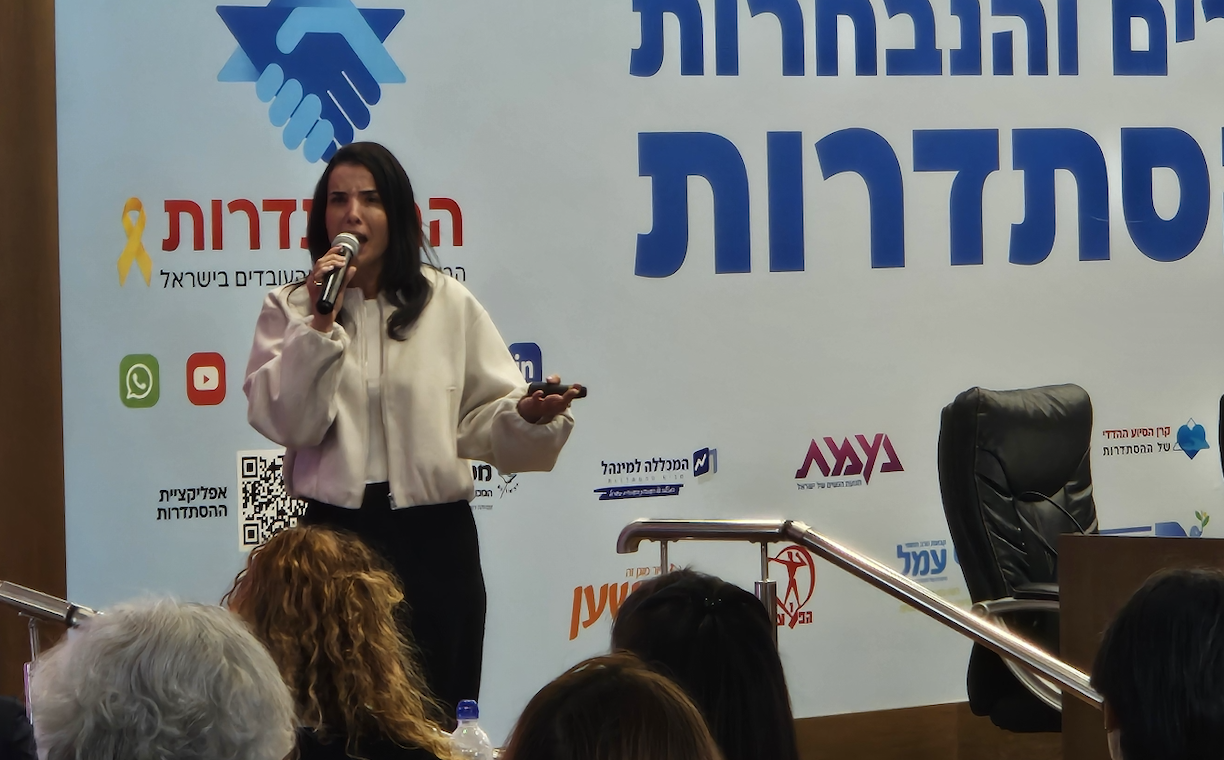
The women’s conference, will be held in two sessions — online on 18-19 September and in-person on the 3 November in Sydney ahead of IndustriALL Congress. 

By analysing what we have achieved and identifying the areas that still need our focus, we can define our future priorities in Sydney, guided by the Action Plan. What actions should we develop to address the challenges that female workers will face in the years ahead?

The discussions will enable a roadmap to be drawn up, setting expected results for the next four years and debate how to measure and monitor progress. 

The discussion on the participatory gender audit (PGA) findings and recommendations would be key as it provides clear guidance on how IndustriALL can strengthen its work on gender equality over the next four years and the upcoming women’s conference will be a crucial step in turning these recommendations into action.

The women's conference will discuss and explore how to address the three priority areas underscored in the PGA: mainstreaming gender throughout all of IndustriALL work, strengthening women’s leadership and promoting men’s allyship in advancing gender equality and women’s participation in leadership.

Exploring ways to promoting women’s leadership will be key in the debates in the conference. While progress has been made, women remain underrepresented in trade union leadership, particularly in certain industries. There is a need to address the grassroots causes of this gap, from barriers to union participation to structural discrimination and to develop concrete tools and instruments to support women leaders at every level of the movement.

The conference will also investigate how to engage men allies in building equality and ensuring women’s voices are heard and respected. The role of male leaders to actively support gender equality is key, not only by endorsing women’s participation but by taking responsibility for making unions more inclusive.

“Women belong in every space where decisions are made about workers’ rights and the future of our industries. This conference is not only about addressing inequality, it is about reshaping our movement to reflect the reality of our membership. When women lead, unions are stronger, fairer and more representative. That is why this work matters and why we must make space, build support and ensure women’s voices are heard at every level,”

said IndustriALL assistant general secretary, Christina Olivier. 

YKK workers still denied rights in Türkiye

In June 2025, the Fair Labor Association published an audit confirming that YKK Turkey is violating workers' rights, making clear recommendations to remedy the situation.  Yet the company has failed to act. Petrol-İş, the union representing YKK workers and IndustriALL affiliate, is now urging global brands that rely on YKK to intervene and ensure the recommendations are implemented.

In August 2025, Petrol-İş met with brand compliance officers to press for concrete action. At the meeting, the union emphasized that the fundamental labour rights of YKK Turkey workers has been systematically violated and demanded an end to the company’s hostile stance towards union members. Petrol-İş urged the brands to take responsibility by insisting that these violations be eliminated. In response, brands stated that they would raise these concerns directly with YKK management, making them a key item on the agenda of their upcoming discussions.

This ongoing dispute stems from a flawed process dating back to 2024. After organizing a majority of YKK's roughly 670 workers, Petrol-İş secured official recognition from Türkiye's Ministry of Labour and Social Security in May of that year. Instead of engaging with the union, YKK management responded with union-busting tactics, including threats and coercion to force resignations. The company even announced unilateral improvements to working conditions in a move the union described as bad faith. Pressure on members escalated further, with unfounded disciplinary actions targeting leading organizers, prompting workers to hold peaceful demonstrations in July.
 
In August 2024, YKK created a management-controlled spokesperson committee to undermine Petrol-İş, while refusing to meet with the union. By September, the dispute had gained international attention, with IndustriALL sounding the alarm and YKK workers in Brazil and the UK sending solidarity messages.
 
The conflict deepened in early 2025. Dozens of workers resigned under pressure and in February a local court ruled against Petrol-İş in a sectoral dispute — a decision the union believes was deliberately engineered by YKK to delay recognition. Despite its global code of conduct, which explicitly pledges respect for freedom of association, the company has consistently refused to enter dialogue. 
 
At the heart of the issue lies a loophole: YKK is officially registered under the metal sector, while workers can only affiliate through Türkiye's e-government system with unions in the petroleum-chemistry-rubber sector, such as Petrol-İş. This misclassification has allowed YKK to block collective bargaining for two years, despite guarantees under international law. Until this loophole is resolved and genuine negotiations begin, YKK workers in Türkiye remain locked out of their fundamental rights.

Mehmet Kaya, general financial secretary of Petrol-İş and former Thrace Local Head, who played a key role in organizing at YKK, said:

“YKK Turkey workers exercised their constitutional right to unionize, yet management responded with pressure instead of respecting their rights and recognizing collective bargaining. This anti-union stance has created unrest, undermined industrial peace and left workers living in constant fear of dismissal, with serious impacts on their families. Such hostility is unacceptable. YKK workers deserve dignity, job security and a decent working environment and we call on YKK Global Management to ensure these rights are respected without delay.”

IndustriALL general secretary, Atle Høie, said:

“It is unacceptable that YKK continues to deny workers in Türkiye their fundamental right to collective bargaining. Freedom of association is not optional — it is guaranteed under international law and YKK must respect it in practice, not just in words. We stand firmly with Petrol-İş and the workers and we call on YKK's global management and the brands it supplies to ensure these rights are upheld without further delay.”

Strike averted: Nigerian unions vs Dangote

Brokered by Nigeria’s Federal Ministry of Labour and Employment, the agreement mandates immediate unionization at the refinery, with registered unions like NUPENG granted the right to organize workers. The process is to be completed within two weeks, with guarantees against the formation of competing employer-backed unions and protection for workers against retaliation for strike actions.
 
The agreement marks a significant victory for Nigeria’s labour movement, reinforcing the legal and moral imperative of workers’ rights to organize.
 
Two years ago, the inauguration of the US$20 billion Dangote Refinery in the Lekki free-trade zone near Lagos was heralded as a milestone for Nigeria’s industrial ambitions. As Africa’s largest refinery, it promised significant job creation and economic diversification.

However, optimism has soured due to the refinery’s initial resistance to unionization, particularly for drivers tasked with distributing petroleum products nationwide. The refinery, owned by billionaire Aliko Dangote and its distribution partner, MRS, controlled by Dangote’s relative Sayyu Ali Dantata, sought to exclude established unions like NUPENG in favour of an in-house union. This move prompted NUPENG, backed by the National Association of Road Transport Owners (NARTO), to call for a national strike.
 
The dispute intensified following Dangote’s importation of 10,000 compressed natural gas (CNG) trucks in late August, aligning with the government’s push for greener fuel alternatives. Recruitment for drivers came with a condition: applicants were required to pledge allegiance to the company’s union, raising concerns about violation of workers’ rights. The unions argued that Dangote Refinery and MRS’s actions not only violate Nigeria’s Labour Act and Constitution, which safeguards workers’ rights to organize, but also contravenes International Labour Organization (ILO) Convention 87 on freedom of association and protection of the right to organize, to which Nigeria is a signatory.

Furthermore, the companies’ apparent pursuit of a refining and distribution monopoly challenges the Petroleum Industry Act, designed to promote competition in a sector long plagued by inefficiency and corruption.
 
NUPENG’s leadership,president Williams Akporeha and general secretary Afolabi Olawale, condemned the refinery’s approach, accusing it of undermining collective bargaining and imposing exploitative contracts. “Wealth amassed through the suppression of workers’ rights is unsustainable and unjust,” they stated, emphasizing the centrality of union representation to fair labour practices.
 
Atle Høie, IndustriALL general secretary, welcomed the resolution:

“The actions of Dangote were a clear violation of fundamental trade union rights and IndustriALL intervened towards the company to push them to change their course. This agreement upholds national and international labour standards, befitting a leading African enterprise. We encourage Dangote Refinery to maintain constructive engagement with unions going forward.”

Photo: Shutterstock 

Global Unions urge recognition of the state of Palestine

We call on all countries to take this vital step towards achieving a democratic and sovereign Palestine, living in just and lasting peace alongside a secure Israel.

In May 2024, leaders from across the Global Unions joined a historic delegation to Palestine. In Ramallah, they met with trade unions and senior figures within the Palestinian Authority. The message was clear: recognition of Palestine as a state is essential for building a sovereign, democratic future and for ensuring peace and dignity for its people.

Already, 147 of the 193 United Nations member states have formally recognized Palestine. The Global Unions commend those governments preparing to move forward with recognition during the 2025 UN General Assembly.

Recognition affirms the Palestinian people’s right to self- determination, strengthens international law and helps create the conditions for genuine negotiations between two equal parties. Recognition is also a step towards redressing the imbalance of power, which prolongs the illegal occupation of the West Bank and Gaza and instability while it continues.

Recognition of Palestine is not only a matter of justice but also of necessity. Decades of delay have brought only cycles of violence and despair and today those failures have culminated in catastrophic loss of life, mass destruction and the gravest humanitarian crisis faced by the Palestinian people in decades, as highlighted by UN experts last week. Recognition now would send a powerful signal that the international community will no longer accept endless deferral of Palestinian rights. It is the foundation on which a real peace process can be built.

For the global trade union movement, the principle is clear: workers everywhere are entitled to live in freedom, dignity and security. The Palestinian people deserve no less. Recognition of the State of Palestine must not be treated as a reward at the end of negotiations. It is an essential element of a just and durable peace.

We urge all governments to commit to this step at the United Nations. Recognition is a concrete expression of the international community’s will to uphold human rights, ensure compliance with UN Security Council resolutions, and advance the path to a free, independent and viable Palestine. Only on that basis can a secure Israel and a sovereign Palestine live side by side in peace.

Signatories: David Edwards, General Secretary, Education International; Atle Høie, General Secretary, IndustriALL Global Union; Luc Triangle, General Secretary, International Trade Union Confederation; Christy Hoffman, General Secretary, UNI Global Union; Steve Cotton, General Secretary, International Transport Workers’ Federation; Ambet Yuson, General Secretary, Building and Wood Workers International; Adriana Paz Ramírez, General Secretary, International Domestic Workers Federation; Daniel Bertossa, General Secretary, Public Services International; Kristjan Bragason, General Secretary, International Union of Food, Agricultural, Hotel, Restaurant, Catering, Tobacco and Allied Workers’ Associations; Veronica Nilsson, General Secretary, Trade Union Advisory Committee to the OECD; Anthony Bellanger, General Secretary, International Federation of Journalists.

Photo: Shutterstock

Macsteel strike ends as NUMSA secures worker reinstatement

The strike, which began on 22 August, was triggered by contentious retrenchments that NUMSA condemned as procedurally unfair and exploitative. Workers are set to resume duties on 8 September following a negotiated settlement that addresses key union demands.

The agreement marks a victory for NUMSA, with Macsteel conceding to reinstate all retrenched workers into positions within the company, preserving their wages, benefits and conditions. Further, even workers placed in lower-grade roles will retain their original salary scales, a critical safeguard for their livelihoods. Five workers who opted for severance packages over reinstatement will meet with NUMSA to confirm their decisions, ensuring informed choices.

The strike, described as a last resort by NUMSA, followed Macsteel’s refusal to consider union-proposed alternatives during Section 189 of the Labour Relations Act consultations which deals with retrenchments for operational requirements that include economic, technological or structural changes.
 
The dispute centred on Macsteel’s implementation of voluntary severance packages (VSPs) under Section 189, which NUMSA condemned as a sham. The union accused the company of coercing 253 workers into accepting VSPs valued at a mere R40 000 (US$1828), calculated at one week’s pay per year of service which is far below the industry norm of three to four weeks’ gross remuneration per year.
 
NUMSA described the process as unilateral, alleging that Macsteel issued termination letters and pressured workers without consulting the union, violating fair retrenchment protocols.
 
NUMSA’s demands included the reinstatement of the retrenched workers, improved severance packages and transparent, union-negotiated retrenchment criteria. The union argued that Macsteel’s actions reflected a broader pattern of employers exploiting workers during economic downturns, maximising profits in boom times only to discard workers with inadequate compensation during retrenchments. NUMSA called for government intervention through the Department of Employment and Labour to establish minimum standards for severance packages.
 
NUMSA general secretary, Irvin Jim, said:

“It should not be tolerated that employers can pay workers empty voluntary severance packages in the name of voluntarism. This is abuse. Greedy bosses must be stopped particularly when they have exploited workers for years.”

“Protection of workers livelihoods even during retrenchments is one of the core duties of a trade union and we commend NUMSA for going on strike to stop workers exploitation at Macsteel,”

said Paule-France Ndessomin, IndustriALL Sub-Saharan Africa regional secretary. 

Photo: Shutterstock