Belaruskali workers and union leader face repression in Belarus

Leaders and activists of the Belarusian Independent Trade Union (BITU), Siarhei Charkasau, Anatol Bokun, Yury Korzun, and Pavel Puchenia, have been arbitrarily detained several times over the last two months and are currently in jail. BITU is affiliated to IndustriALL Global Union.

To support the activists, follow the link and sign the LabourStart petition demanding their release.

The union leaders, who are also strike committee members, are being targeted for their trade union activity. On 21 September, Anatol Bokun took peaceful action in support of his co-worker Aleh Kudziolka, who refused to leave his underground workplace in a protest against rigged presidential elections and the extreme violence of riot police. He was detained the same day and remains in jail.

Anatol was one of 22 workers detained by the police, but he was the only one sentenced, to 25 days of jail for alleged public disorder. Anatol was due for release on 16 October, but he has been detained again and taken to an undisclosed detention centre in Soligorsk.

Similarly, Siarhei Charkasau, who is the vice chair of BITU, was detained along with Yury Korzun and Pavel Puchenia while having a picnic in a public park in Soligorsk on 3 October. They remained in detention for 15 days. On 16 October, the day they were supposed to be released, they were detained again and moved to a police detention centre in Soligorsk.

While in detention, Anatol Bokun, Siarhei Charkasau, Yury Korzun, and Pavel Puchenia were asked to lie: if they signed a document and recorded a video for the state-run Belarusian Television channel admitting guilt and remorse for their part in the strike action, they would be granted freedom. The four union leaders refused to budge. As a consequence, they have been unlawfully detained for 15 more days.

The level of violence against peaceful demonstrations following the recent presidential elections in August is extreme. By the beginning of September, the UN Human Rights office had documented at least 450 cases of torture and ill-treatment of people deprived of their liberty. There has not yet been any criminal investigation into cases of death or torture.

IndustriALL condemned the persecution and detention of the trade union leaders and demanded their immediate release. In his letter to the local Belarusian authorities Valter Sanches said:

“We are extremely concerned about their safety as they have been not only arbitrarily detained, are being kept in very poor conditions — in Anatol Bokun’s case, his detention conditions amount to sheer torture, as he is being exposed to non-stop loud recordings—and equally worrisome, they are being relocated each time they get a new sentence, and in some cases to unknown locations.”

IndustriALL called for “an immediate end to the persecution and violation of the labour rights and human rights of the trade union leaders Anatol Bokun, Siarhei Charkasau, Yury Korzun, and Pavel Puchenia.” Sanches demanded the immediate release of the union activists in strict accordance with national and international laws and human rights standards.
Philippine government U-turns on 13th month pay after pressure from unions


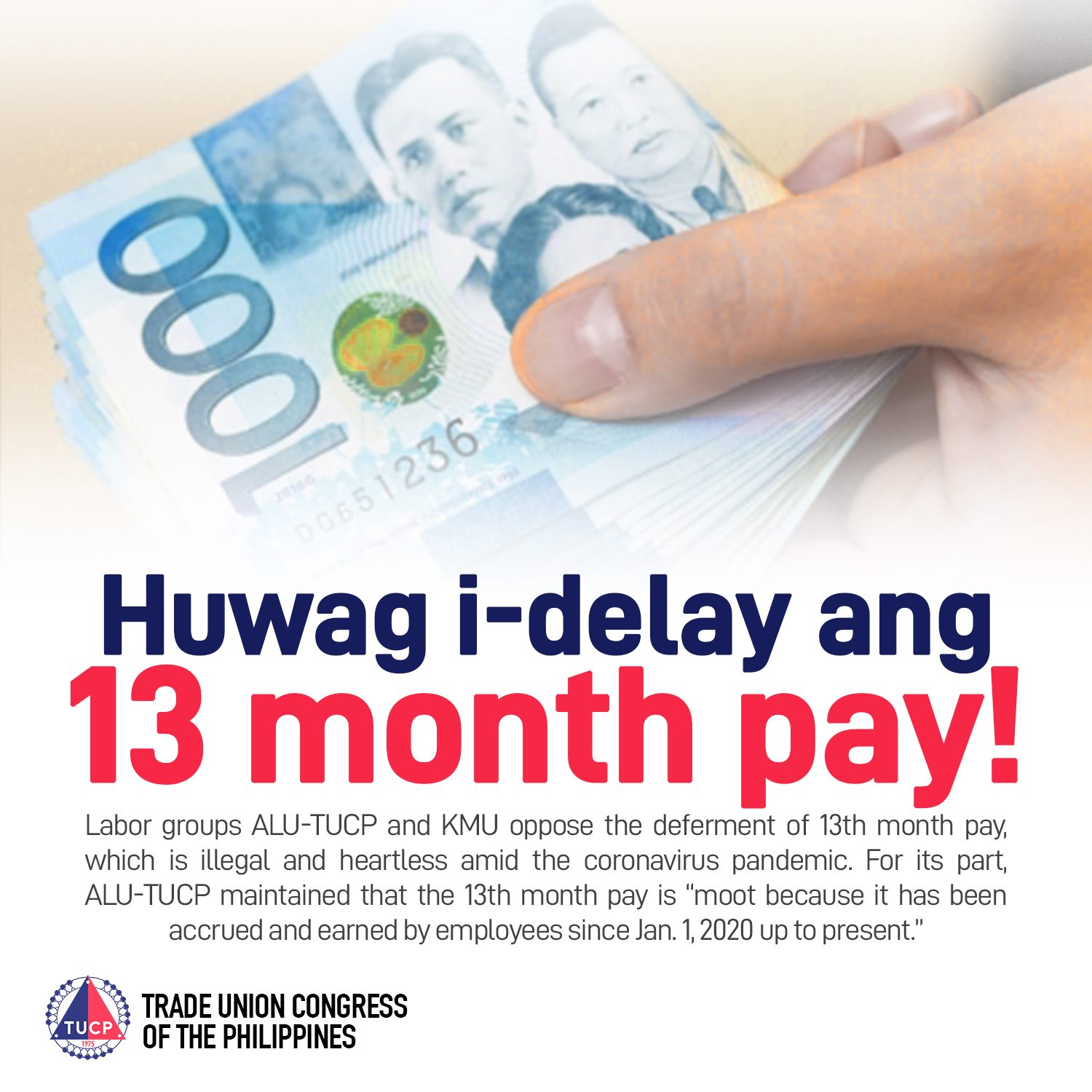
The announcement by the Philippine labour secretary Silvestre Bello III on 8 October that the Department of Labour and Employment (DOLE) was considering to allow the deferment of the 13th month pay by distressed companies raised a furore from trade unions.

According to Presidential Decree No. 851 Year 1976, all employers are required to provide a 13th month pay to all employees by 24 December of every year. 

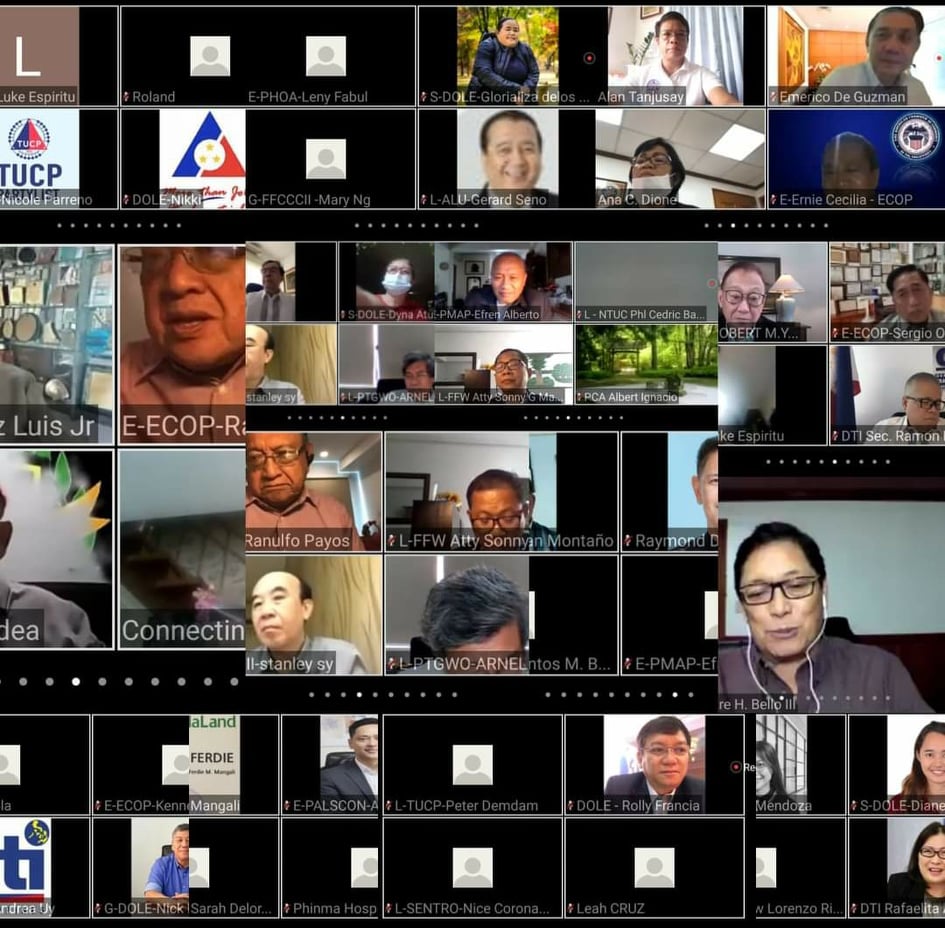
Under pressure, Bello held an online consultation meeting with trade unions on 13 October. Three days later, Bello reversed the decision in a televised briefing, confirming that all employers must pay the 13th month pay. The success is attributed to the unity of Philippine trade unions on the issue.

The consultation with the unions

ALU executive vice president Gerard Seno says :

“ALU rejects deferment of 13th month bonus mainly because workers have earned and accrued the benefits through their labour in the past 12 months. The bonus is a basic labour standard akin to minimum wage, it cannot be taken away or deferred.”

AWATU-TUCP president Temistocles Dejon Jr adds :

“By giving the full amount of workers’ 13th month pay and Christmas bonus, millions of workers and their families will have money to spend, thereby benefitting our economy because 60 per cent of our GDP is derived from consumption-related activities.”

The president of Integrated Labour Organization Abraham Reyes welcomes the new decision of the labour secretary. He said workers especially those precarious workers may enjoy the benefits stipulated by the law.

IndustriALL regional secretary Annie Adviento says :

“We congratulate the union for their success with the 13th month bonus in the Philippines. This victory exemplifies the indispensable role of trade unions in the world of work. Millions of Philippine workers, including the unorganized, will benefit from this struggle.”

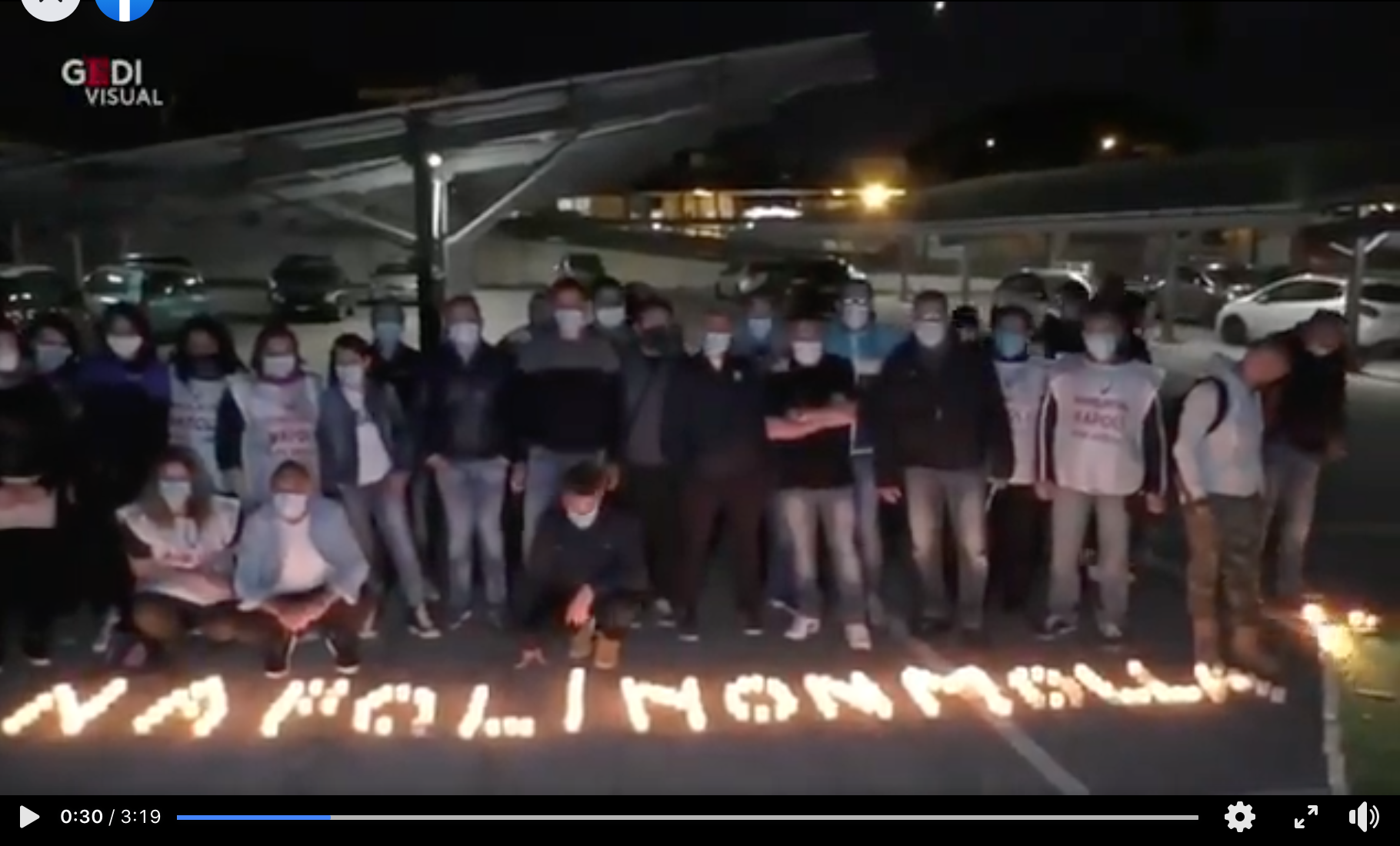
Italian workers fight against closure of Whirlpool in Naples

The unions called for an eight-hour strike on October 22. The strike affects all the Italian sites of the group. The strike action is organized in conjunction with the meeting convened by the Ministry of Economic Development today. The results of the meeting are still to be announced.

The unions announced that on 23 October demonstrations will start in different cities of Italy until Whirlpool withdraws its decision to close its Naples site on October 31. Workers and their unions strongly oppose this decision as this affects all Whirlpool workers as well as those in related industries, and violates the agreement reached with the Ministry of Economic Development in 2018. Also, the unions insist that the decision to close the Naples site will gradually impoverish Italian skills and capacity in the production of household appliances.

According to the agreement signed in 2018 at the Ministry of Economic Development, Whirlpool committed to keeping Italy as a strategic industrial and market base for the European, Middle East and Africa region. The company then promised to invest €250 million for the three-year period from 2019 to 2021 in innovation, products and processes and research and development at its industrial sites in Italy.

Kan Matsuzaki, IndustriALL director of ICT, Electrical and Electronics, Shipbuilding and Shipbreaking: 

“We extend our full solidarity support to our affiliates and Whirlpool workers. The company’s decision to close down the Naples site in the middle of a pandemic and the rampant crisis cannot be justified.  The Italian government must put all their efforts in order to prevent this blow to the local economy, workers and their families. Whirlpool must stay in Naples!”

Unions in solidarity with youth protests to stop police brutality in Nigeria

After weeks of protesting widespread abuses and gross human rights violations, including torture and killings, by the Special Anti-Robbery Squad (SARS) police unite, the government of Nigeria disbanded the unit on 11 October. But this did not stop the demonstrations.

The protests have received support from Manchester United football player Idion Ighalo who posted a video on social media saying he is ‘ashamed’ of the government of Nigeria’s sending of soldiers to shoot at protestors at the Lekki Toll Gate in Lagos.

Tolulope Fagbamigbe, a member of the IndustriALL Sub Saharan Africa youth committee from the National Union of Chemical Footwear Rubber and Non Metallic Products Employees (NUCFRLANMPE) says:

“The Nigerian youth are clamouring for their voices to be heard by the government on #EndSARS and other demands. On 20 October, the lights went off at the Lekki Toll Gate in Lagos when soldiers moved in with armoured trucks and opened fire on unarmed protestors, killing many people on the spot.

"The situation has been handled carelessly by the government and is boiling over. If the government wants to nip the situation in the bud they must proceed with steps towards progressive goals. If this is not done, there are fears the situation will degenerate into further chaos.”

IndustriALL Vice President, Issa Aremu said:

 “It is understandable that the current protests reflect the serial historic and contemporary atrocities by the Nigerian police. It is inspiring that the Presidential Panel on Police Reforms agreed to the five-point demand of the protestors against police brutality, namely halting the use of force against protestors and unconditional release of arrested citizens, justice for the victims of police brutality, including payment of compensation, and the psychological evaluation of police officers including increasing their salaries.”

 On employment, the situation of Nigerian youth is dire. According to the National Bureau of Statistics the unemployment rate is over 27 per cent, meaning 27.7 million youth are unemployed while the underemployment rate is over 28 per cent. Unemployment has been worsened by the closure of factories. To move to decent job creation, Aremu says unions must campaign for a “developmental state that creates decent jobs for the youth.”

IndustriALL affiliates in Nigeria are the Automobile, Boatyards, Transport, Equipment and Allied Workers Union (AUTOBATE), National Union of Chemical Footwear Rubber and Non Metallic Products Employees (NUCFRLANMPE), National Union of Electricity Employees (NUEE), National Union of Petroleum and Natural Gas Workers (NUPENG), National Union of Textile Garment Tailoring Workers (NUTGTW), Petroleum and Natural Gas Senior Staff Association (PENGASSAN) and Steel and Engineering Workers of Nigeria (SEWUN).

Swiss to vote on holding multinationals responsible for supply chains

Documentary film about the initiative

The initiative is part of a wave of similar legislation being proposed in other countries, based on the United Nations Guiding Principles on Business and Human Rights.

The Swiss political system prioritizes direct democracy over party politics. Major policy issues are decided in referenda which are held several times a year. A popular initiative allows Swiss citizens to request an amendment to the Federal Constitution. Supporters of an initiative have 18 months to collect 100,000 signatures before a vote can be held. To succeed, a majority of voters and of cantons need to vote in favour of the initiative.

The Responsible Business Initiative was created by the Swiss Coalition for Corporate Justice, made up of Swiss human rights and environmental organizations, religious groups and trade unions, including IndustriALL Global Union affiliates Syna and Unia. The initiative has broad popular support, including from 120 NGOs and all the country’s churches. The coalition collected 120,000 signatures in less than a year, and submitted them to Parliament for the subsequent stages.

The initiative targets the activity of companies based in Switzerland, including multinational corporations that IndustriALL engages with, such as Glencore and LafargeHolcim. If the initiative succeeds, these companies, and all Swiss-based firms, will be legally responsible for human rights abuses and environmental violations anywhere in the world, caused by companies under their control. Victims of human rights violations and environmental damage will be able to seek redress in Switzerland.

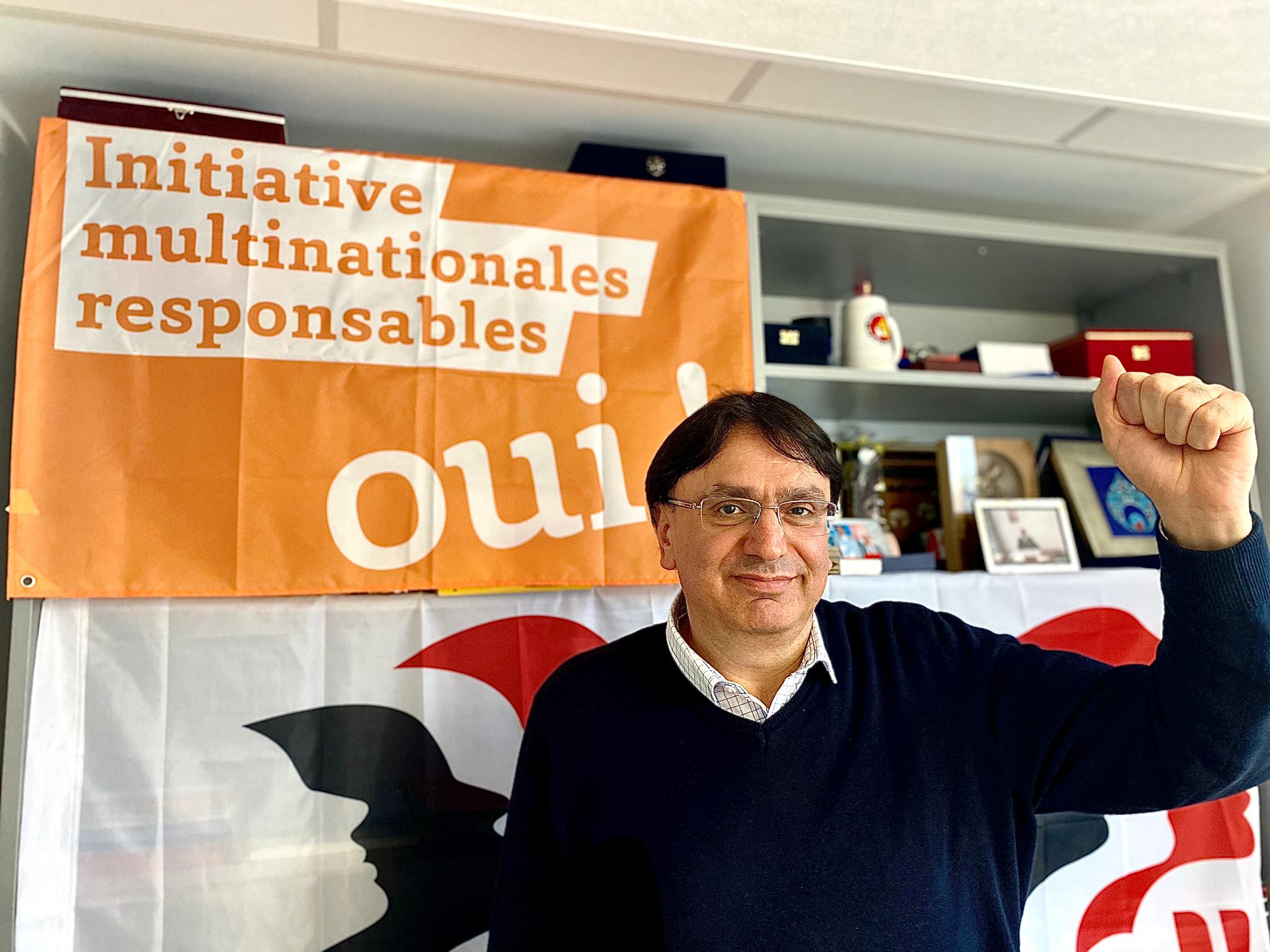
IndustriALL assistant general secretary Kemal Özkan

It has taken almost five years of continuous campaigning to bring the initiative to the vote. The corporate lobby is fighting hard against the initiative, saying it will make Swiss companies “guilty until proven innocent” for abuses anywhere in their supply chains, and open the door to “blackmail” by activists. Fearing that the initiative would impose crippling legal liabilities that will make businesses uncompetitive, the government initially recommended that the initiative be rejected, before developing a watered-down counter-proposal.

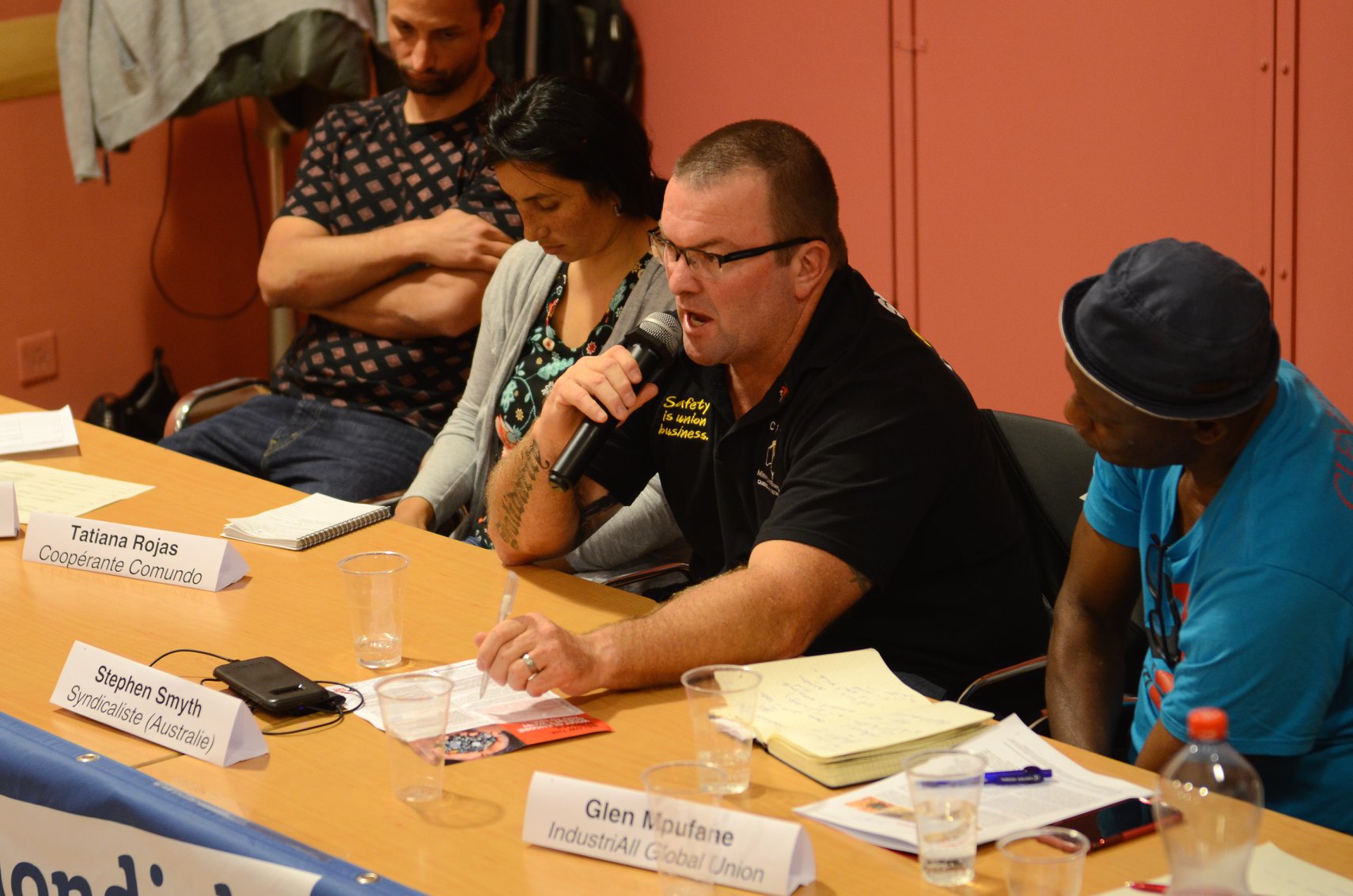
Stephen Smyth of the CFMEU in Australia and Glen Mpufane of IndustriALL at an event in 2018

IndustriALL has been involved in the process of bringing the initiative to the vote from the beginning. In 2018, IndustriALL brought trade unionists from Glencore operations in Australia, Colombia and the Democratic Republic of the Congo to Switzerland to speak about the company’s behaviour abroad.

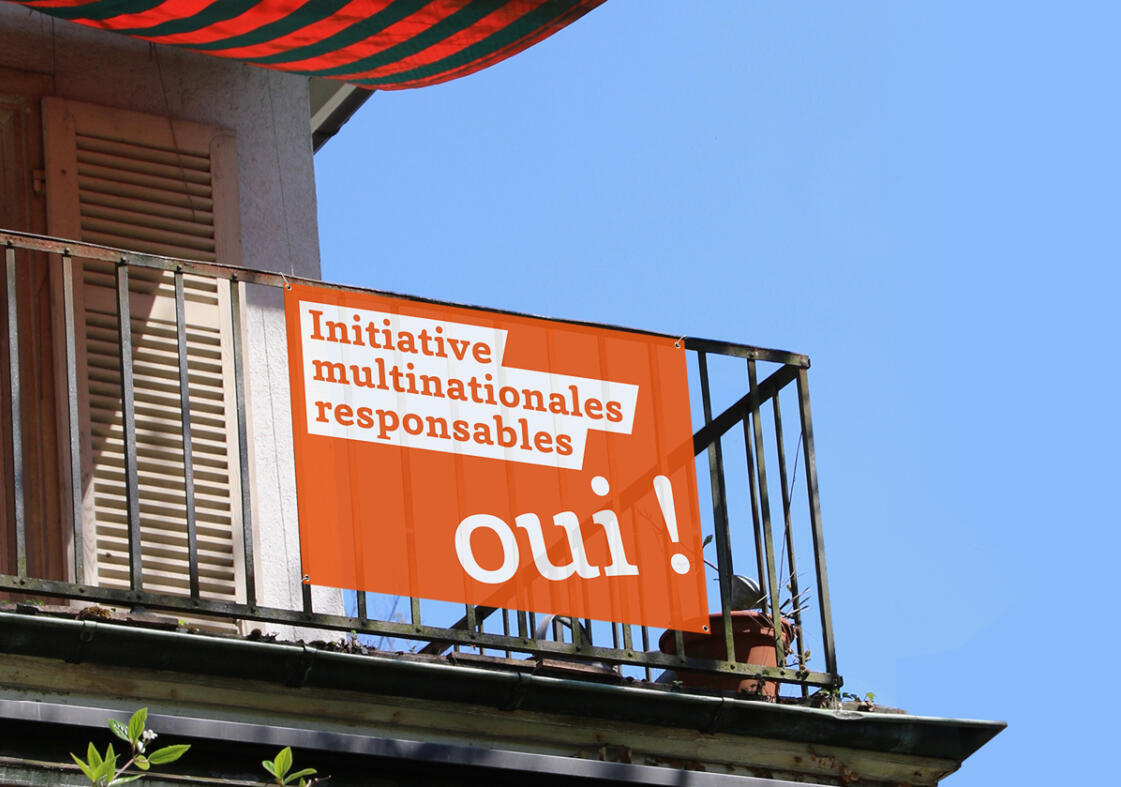
As momentum builds towards to the vote, the distinctive orange flag of the campaign has appeared in windows and on balconies across the country, as people show their support.

Balcony with flag

IndustriALL general secretary Valter Sanches said:

“For too long, multinational corporations have been able to hide their abuses behind a veneer of respectability, using plausible deniability whenever bad behaviour is highlighted. The Responsible Business Initiative is part of a global movement by unions and civil society organizations to hold companies responsible for their behaviour.

“Our message is this: we are coming for you. There is nowhere to hide. We will hold you accountable.”

Union wins right to organize in Myanmar through ACT guidelines

The collective effort has led to a number of successful negotiations and dispute resolutions between Myanmar-based suppliers and local trade unions. Transparent and good-faith social dialogue, proactive engagement of negotiating parties and support from international brands have set a practical example in Myanmar, showing that when suppliers engage with unions and brands to find solutions to correct and prevent labour rights’ violations, constructive industrial relations develop.

One example is a dispute resolution at Kamcaine Manufacturing, a supplier for ACT brands, where recently a negotiated settlement was reached with the Industrial Workers’ Federation of Myanmar (IWFM), after the employer had dismissed 57 workers, including all seven executive members of the union. Another successful dispute resolution is the three union leaders at Glory Fashion, who were reinstated with backpay.

“This is a good example of how unions are working with brands to develop supply chain industrial relations as an alternative to the corporate-led audit and code of conduct programmes that other brands are using instead of directly engaging with unions,”

says IndustriALL textile director Christina Hajagos-Clausen.

While supply chain industrial relations between unions and ACT brands are getting stronger in Myanmar, there are still cases suppliers who fail to engage in transparent and constructive negotiations. As an example, Yongan Myanmar Fashion Company, has refused to engage in negotiations around the case of unrightful dismissal of workers and to comply with the decision of local arbitration council.

ACT brands have been working with IWFM and IndustriALL to achieve a just result, however the supplier has refused to get involved. As a consequence, and as a last resort, brands sourcing from the factory had to apply their respective zero-tolerance policies, demonstrating that violation of workers’ rights will not be tolerated.

To promote freedom of association (FOA) in Myanmar and help workers and suppliers build stronger industrial relations, ACT brands and IndustriALL have supported suppliers and trade unions in developing a Guideline on Freedom of Association. The guideline is designed to help prevent and manage conflicts that may arise over FOA and help to position Myanmar as a world-class responsible production location. To scale up the work around FOA in Myanmar, ACT brands have made compliance with the FOA Guideline a business requirement, ranked as zero-tolerance in case of violation starting 1 April, 2020.

“We truly believe that freedom of association and collective bargaining are the best way to deal with conflicting interests and to achieve mutual respect and joint responsibility. We will continue our joint efforts among ACT signatories to work closely with local unions and employers to establish higher industrial relations standards in Myanmar,”

says Bestseller's responsible sourcing social impact manager Andrei Vasiliev.

While significant progress has been achieved by ACT brands, IndustriALL and IWFM in Myanmar, there is still a lot of work that needs to be done in the country to protect FOA, promote collective bargaining and build sustainable and responsible industrial relations. ACT signatories will continue their work in Myanmar and closely monitor the supply chain. Together with IMFW and IndustriALL, ACT has a critical role to play in protecting workers’ rights.

“Freedom of association is a fundamental worker’s right and must be respected and guaranteed everywhere. This is a step towards sustainable industrial relations in Myanmar where all stakeholders contribute through the FOA Guidelines. I hope all brands sourcing in Myanmar will see the benefits of the guidelines and sign up immediately,”

says IWFM President Khaing Zar.

Workers suffer harsh Covid-19 containment measures

According to reports, on 19 October the total number of Covid-19 cases in Minuwangoda Brandix increased to 2,122, including more than a thousand workers of Brandix apparel limited, their close contacts and family members.

This cluster accounts for nearly half of the total number of Covid cases in Sri Lanka and has received national attention.

Unions say that the army, which handles Covid quarantine centres, without prior information entered garment workers’ boarding rooms at night, asking them to immediately move to quarantine centres.

Anton Marcus, of Free Trade Zone & General Services Employees union, says:

“Had the factories formed health committees as decided by the tripartite taskforce, the health problems would have been identified earlier and this crisis could have been avoided. It is imperative that health committees are immediately formed in every garment factory.

"The forceful quarantine measures must stop and workers need to be treated with dignity. We appeal to the government to provide job security for the workers, income assurance as well as health and safety while ensuring that the crisis does not damage the industry as well.”

Workers were given no time to prepare or to gather their belongings. They were taken together, without following any safety processes like social distancing, to the distant quarantine centres. Workers were given no opportunity to let anyone know what was happening.

The fact that the quarantine centre lacked safety measures, basic sanitary facilities, health staff and access to good food meant an increased possibility of infection among the quarantined workers. Family members of the quarantined workers did not get any information; not even local government officials had any information.

Various reports suggest that company officials insisted on maintaining production to achieve set targets and failed to stop the developing health crisis among the workers.

Apoorva Kaiwar, IndustriALL regional secretary, says:

“We are deeply concerned over the harsh quarantine measures and its impact on workers and their families. The government of Sri Lanka should follow established international norms to control the pandemic while respecting patients’ rights. The government and employer should note that most of the patients of Minuwangoda Brandix cluster are women workers and ensure appropriate health safety measures are provided to them.”

Photo credit: Workers at Nordtext, Colombo, Sri Lanka. Asian Development Bank, Flickr

Indonesia: violent response to union strike

Union members across Indonesia went on strike in October to protest against the Omnibus law. Unions had successfully forced Parliament to suspend a debate on the bill in April, only to swiftly pass it on 5 October.

The strikes were met with violence and arbitrary arrests. According to reports, 32 members of Federation of Indonesian Metal Workers' Union (FSPMI) were injured by water cannons in Bekasi, another ten were arrested in Bekasi and Jakarta, as the police accused workers of striking outside of allowed hours.

An FSPMI driver in Bekasi was interrogated by Jakarta police, and then detained overnight.

Said Iqbal, president of Indonesian Trade Union Confederation (KSPI) and FSPMI, says: 

“We will continue to fight by constitutional means and are planning protests across the country. We may also file a judicial review at the constitutional court, or escalate the anti-Omnibus law campaign on the international stage.”

Ten members of Chemical, Energy and Mines Workers Union (CEMWU SPSI) were detained by police in Jakarta while drinking coffee, as the police wrongfully accused them of being involved in rioting.

Furthermore, five members of All Indonesian Trade Union Confederation (KSBSI) were arrested by police in Jakarta for violating the large-scale social restriction (PSBB) rules imposed by the Jakarta administration.

Elly Rosita Silaban, KSBSI president, says:

“We are negotiating with police to release one member who is still detained. Workers should not be blamed for violating social distancing rules; by passing the Omnibus law, government and Parliament have forced workers to take it to street.”

IndustriALL general secretary Valter Sanches says:

“We call on the Indonesian government to respect and protect the freedom of expression of Indonesian workers, and to ensure action is taken against the police officers who violated International Covenant on Civil and Political Rights (ICCPR) ratified by Indonesian government.”

Workers picket over violence and nepotism in Mongolia

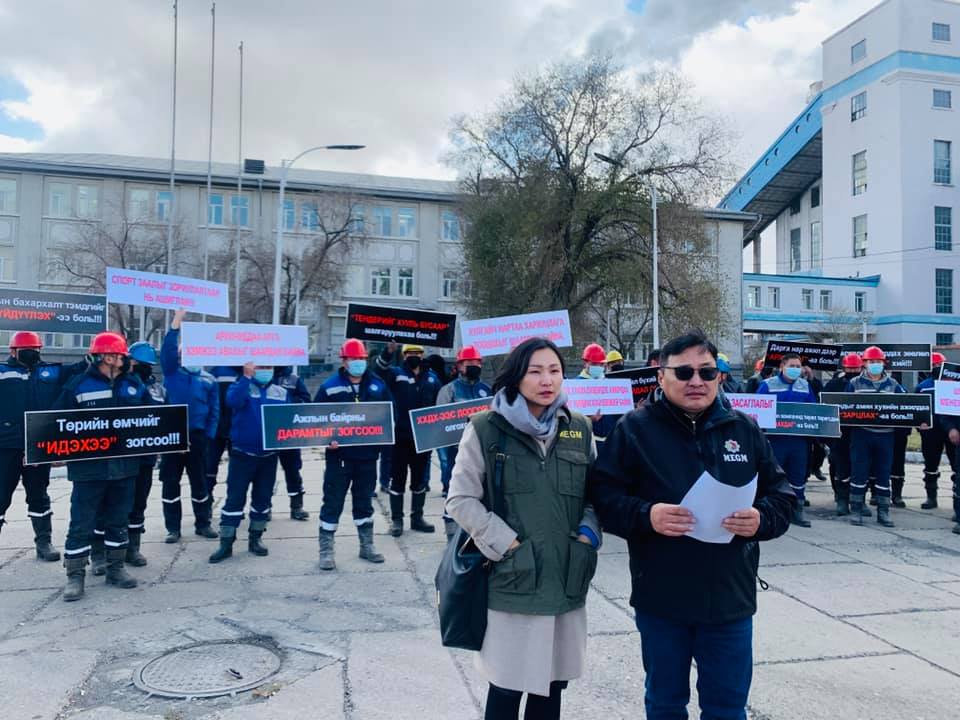
The workers, affiliated to IndustriALL Global Union through Federation of Energy, Geology and Mining Workers’ Trade Unions of Mongolia (MEGM), called on the government to act against a company head who assaulted MEGM’s company level union leader when she called out the company’s practices of nepotism.


The local branch of MEGM has campaigned against nepotism since June, demanding that the company stop hiring relatives of top management. These well-connected workers enjoy higher wages and benefits than other staff with higher positions.

MEGM president Buyanjargal Khuyag says:

“We strongly condemn the violence against a union leader. After the picket, we met with the minister of mineral resources and energy and demanded that action be taken to deal with the brutality and nepotism in the company.

“The minister promised to appoint a new chief executive officer for TPP2 and that executives involved in the violence and nepotism will be dismissed, if they are to blame. The ministry will also set up a working group to study workers’ demands.”

IndustriALL South East Asia regional secretary Annie Adviento says:

“I congratulate MEGM for taking swift action and defending women workers’ rights. This violent incidence shows the importance of eliminating violence in the world of work. I hope the Mongolian government, trade unions and employer association can push for the ratification of ILO Convention 190 on violence and harassment in the world of work.”

Photo captions: Workers on picket, MEGM resident Buyanjargal Khuyag, acts of violence caught on camera

BHP continues to avoid dialogue with IndustriALL

During the AGM, IndustriALL raised the issue of an apparent double standard in how BHP is handling Covid-19. The company has ensured adequate responses in the face of the virus in Australia and Canada, which are in stark contrast to its poor handling of the pandemic in Chile, Peru and Colombia.

In March, workers at BHP’s Spence mine in Chile had to implement a 24-hour work stoppage to force the company to take adequate protection measures against Covid-19.

As of late August, affiliates in Peru, Chile and Colombia reported rising numbers of infections at BHP’s operated and non-operated mines, with IndustriALL affiliate Sintracarbón reporting over 250 cases of COVID-19 among workers at the Cerrejón mine in Colombia alone, and four suspected Covid-19 deaths there (three direct employees, one a contractor).

IndustriALL mining director Glen Mpufane asked the board:

“BHP commits to upholding the UN Guiding Principles on Business and Human Rights, which would indicate that it endorses the principle of respecting – equally – the human rights of people in all countries where it operates. How, therefore, does BHP explain the disjuncture between its handling of Covid-19 in industrialized versus lower-income countries?”

Despite the testimonials from workers, BHP refused to recognize any differences.

Operations at the Cerrejón coal mine in Colombia, in which BHP owns a 33 per cent stake, came to a halt on 31 August. IndustriALL affiliate Sintarcarbón launched a strike after rejecting a shift change that would add 72 working days per year with no wage increase.

What the workers call the death shift would also reduce the number of jobs by 25 per cent and place tremendous burdens on the health, well-being and family lives of the remaining workforce. 

Although BHP CEO Mike Henry, in a response to Valter Sanches’ letter calling on BHP to resolve the strike, emphasised the need for dialogue to resolve the strike, the Chairman of the board, Ken Mckenzie, flatly refused to engage in dialogue with IndustriALL Global Union.

Glen Mpufane had asked:

“Will BHP undertake a meaningful dialogue with IndustriALL Global Union in order to ensure the highest labour standards are maintained throughout its operations and that the challenges posed by the pandemic can be tackled through meaningful social dialogue?”