FEATURE: Achieving pay equity through collective bargaining
FEATURE From Global Worker No 1 June 2022 | |
 | Theme: The gender pay gap Text: Armelle Seby |
The pay gap – IndustriALL
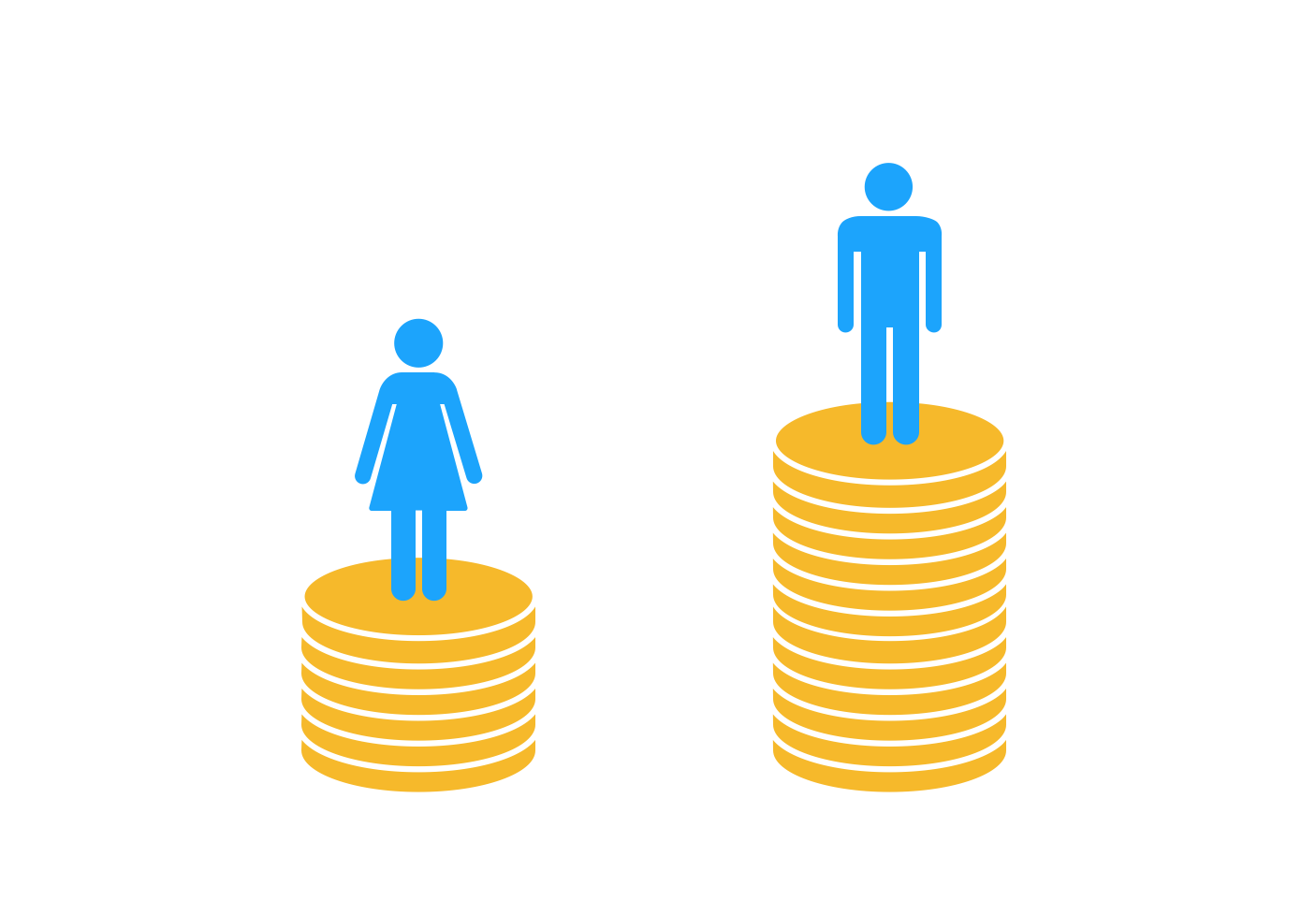
What is the gender pay gap?
Women and men have the right to receive equal remuneration for work of equal value. Men and women should get equal pay for doing the same or a similar job, and when they perform work that differs in terms of responsibilities, tasks, efforts and working conditions, but, through objective criteria is of equal value.
Equal remuneration (or pay) for work of equal value is the principle designed to achieve pay equity and to address the gender pay gap. According to ILO Equal pay An introductory guide, the gender pay gap means the gap between women’s and men’s pay in a workforce and measures the difference between male and female average earnings as a percentage of the male earnings.
There is a widespread belief that there is no gender pay gap because women workers are paid the same salary as men for performing the same work. As USW explains it in its guidelines on closing the gender pay gap, unions are often successful at ensuring equal pay for equal work. But that alone does not eliminate the gender pay gap. Salary scales do not prevent the undervaluing of women’s work, or occupational segregation where women work in lower paid job categories. The concept of pay equity, or equal pay for work of equal value, seeks to eliminate the lower pay in female-dominated jobs or sectors.
There are gender biases in wage structures, which lead to indirect discrimination. For example, physical strength has a higher value compared to dexterity or eye concentration. The latter skills, considered to be of less value, gives preferential treatment to men. Although not a conscious bias, wage setting is constructed in a way that gives men a greater advantage. (Manuela Tomei, February 2018).
The basic or minimum wage is often only a small part of the overall payment and benefits that a worker receives. ILO C100 defines remuneration to include the ordinary, basic or minimum wage or salary and any additional emoluments whatsoever payable, directly or indirectly, whether in cash or in kind, by the employer to the worker and arising out of the worker’s employment. Remuneration includes for example overtime and bonus payments, company shares, and family allowances paid by the employer, as well as benefits in kind.
Discretionary pay can contribute to indirect discrimination and gender pay gap. For example, women have less opportunity to get overtime bonuses due to an unequal share of unpaid work and care responsibilities.
A recent report from Comisiones Obreras in Spain, shows that almost forty per cent of the monthly pay gap between women and men is found in allowances/bonuses. In the UK, companies with over 250 employees are obliged to report on the gender pay gap, including on bonuses. This contributes to raising awareness on the part that plays in the gender pay gap.
By negotiating transparent, objective and gender-neutral criteria to be used in granting allowances and bonuses, collective bargaining can help to address the part of the gender pay gap caused by discriminatory pay settings.
The role and challenges of collective bargaining
Collective bargaining remains the most important tool for trade unions to implement the principle of equal pay for job of equal value and achieving more transparent pay systems. Evidence shows that collective bargaining contributes positively to reducing pay inequalities between women and men. (Jane Pillinger and Nora Wintour, 2019).
Where collective bargaining is centralized or conducted at sectoral level, it covers a wider proportion of workers and have a larger impact on reducing pay inequalities between men and women. Trade unions should prioritize to promote inclusive wage setting by extending the coverage of minimum wages and collective agreements to precarious workers and part-time workers, as women are disproportionally represented in these groups of workers. (ACTRAV/ILO, 2019)
Collective bargaining is important, as many countries’ legislation does not reflect the principle of equal pay for job of equal value. Collective bargaining then becomes the main way to determine terms and conditions of pay. Where existing legislation promotes pay equity, collective bargaining remains a critical tool for implementation and monitoring of these principles.
Gender balance and a bargaining team trained on gender issues are key to advance gender equality through collective bargaining. Evidence shows that collective bargaining outcomes are more gender sensitive with women in trade union leadership and on negotiation teams. According to an ACTRAV survey, women make up only 30 per cent of trade unions’ wage negotiation teams. Around half of the unions responded that negotiating teams are briefed or trained on gender issues.
The TUC in the UK has set quotas for women representation on negotiation teams. In South Africa, the national gender structure of NUMSA has made training collective bargaining teams on gender equality, including on the gender pay gap, a priority.

Raising the wage floor
Evidence shows that an increase in minimum wage contributes to decreased earnings inequalities and the gender pay gap (ILO).
According to the ACTRAV survey, unions would primarily focus on improving wages for low-paid workers and unionizing or extending coverage of legal minimum wages or collective agreements, to groups of workers found in vulnerable types of employment, when wage setting for gender equality.
Minimum or living wages are key to reducing the gender pay gap since women are more likely than men to work in the lowest paid jobs. As a significant proportion of women workers are found in non-unionized or precarious work not covered by collective bargaining; the negotiation of minimum wages at national or sectoral level would benefit them.
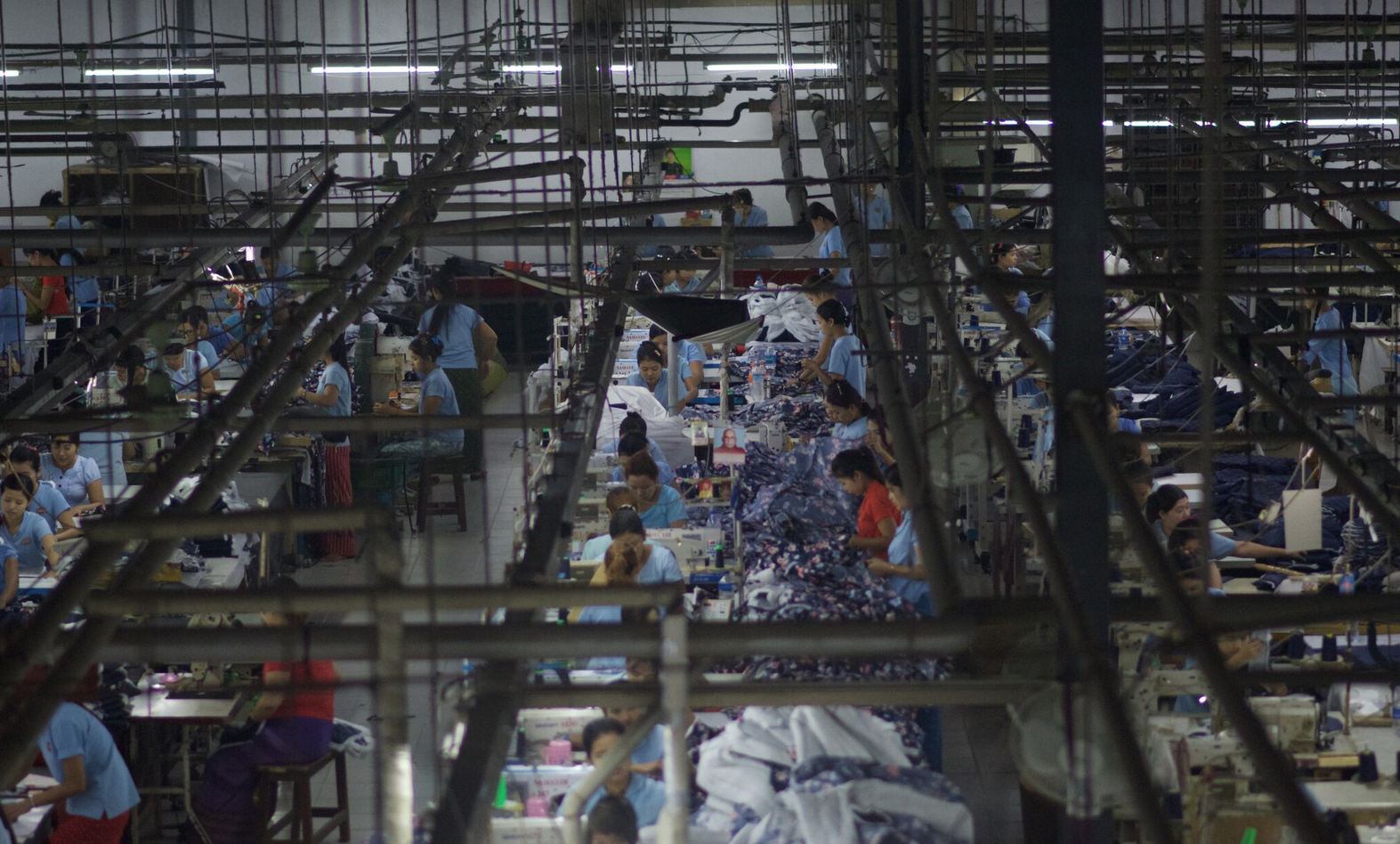
The concentration of women at the very end of global supply chains in industries like garment or electronics, in lower paid jobs with low level of unionization, is contributing to the gender pay gap (ACTRAV/ ILO, 2019). Through ACT, IndustriALL is working with other stakeholders to establish systems of industry-wide collective bargaining, supported by brand purchasing practices as a primary means of wage-fixing in the global garment industry. This will enable setting living wages for workers (mostly women workers) in the garment industry.
However, minimum or living wage policies are not sufficient to close the gender pay gap. To maximize the effect of minimum wage or living wage policies on gender pay, they must be linked with efforts and negotiations on equal pay for jobs of equal value. The low pay of women in feminized jobs and sectors, is linked to the undervaluing of women’s work. Those wages must be compared to those of men in male dominated jobs and industries, otherwise the minimum and living wages policies risk, directly or indirectly, discriminating against vulnerable groups of workers (e.g. by setting lower wage levels in sectors or occupations held by women or excluding migrants from coverage of minimum wage laws). (Jane Pillinger and Nora Wintour, 2019)
Pay transparency and equal pay for jobs of equal value
To properly implement the principle of equal pay for work of equal value, collective bargaining must address the undervaluing of women’s work and segregation of women in job classifications. The lack of pay transparency makes pay discrimination a hidden phenomenon. Gender disaggregated data and statistics at all levels (national, sectoral and company level) are key to identifying existing bias, discriminatory job evaluations and classification schemes.
Trade unions need this information to negotiate gender-neutral wage settings. In several European countries, it is done through legislation on pay reporting obligations for companies with a certain number of workers. In Austria, the gender pay transparency law introduced in 2011, has raised awareness on the extent of the gender pay gap. IndustriALL affiliate PRO-GE has developed tools and guidelines to educate their representatives.
The way pay audits or pay reports are currently set means that they do not report on whether existing job evaluation and job classification schemes are discriminatory. Unions do not have access to information about how pay is determined and to have the potential to tackle the undervaluing of work predominantly carried out by women. (Jane Pillinger, 2020).
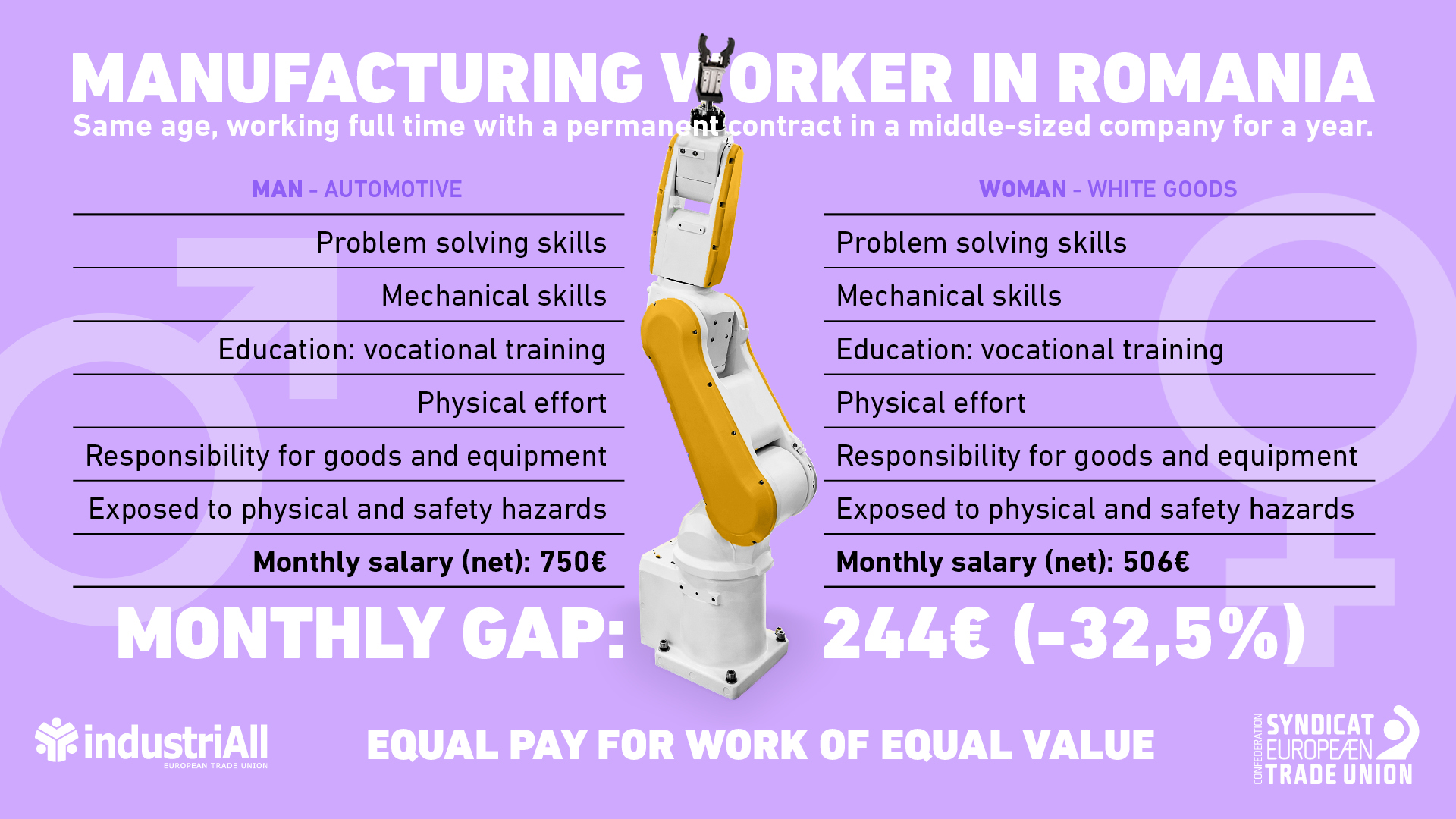 The ETUC and European trade unions have campaigned for a strong EU directive that would ensure that jobs are evaluated and assessed in gender-neutral and non-discriminatory ways. ETUC is demanding that the value of work is assessed and compared to objective criteria, including skill, effort, responsibility, working conditions. Ensuring that comparisons for job evaluation can take place at the workplace, company and/or cross-sectoral levels, has been central in the unions’ demands.
Another request is to include those employers with more than ten employees are obliged to provide workers and trade unions with regular pay reports and pay audits. The pay audits should contain analyses of women and men in each category or position, as well as job evaluations and classification systems used, and detailed information on pay and pay differentials on grounds of gender. Trade unions want to end pay secrecy restricting a worker from disclosing information about their pay, or to seek information from other workers on their pay.
The European Commission’s proposal for a Pay Transparency Directive published in March 2021, addresses binding measures on pay transparency aimed at strengthening the application of equal pay for work of equal value. However, it fails to recognize the central role of trade unions and collective bargaining. In its response, the ETUC is calling for trade union involvement, including in assessing the criteria for equal pay for work of equal value, for comparisons to be made across sectors, for trade unions to be involved in determining how the pay gap is measured, and an obligation for employers to negotiate a plan to close the gender pay gap. Involving trade unions in job evaluation is critical to make sure that gender biases are considered and that a new wage setting will not replicate gender pay inequalities.
Trade unions in Canada are building pay equity committees, as provided by the new Pay Equity Act. Unifor has developed tools and guidelines to enable representatives on the committees to fully play their role. Through the pay equity committees, employers must compare all work of equal value and develop pay equity plans defining compensation increase and pay adjustment for female dominated job classes that have been undervalued, compared to same value male dominated work.
“We are expecting a lot of push back from employers who are already approaching trade union representatives, saying that they have already done a review of the job classification systems. They are attempting to outsource job evaluations to consultants that try to influence trade union representatives. Our representatives are quite anxious to get the work of the committees started, as it is a lot of work ahead of them. We are raising awareness on the importance of equal pay for jobs of equal value. We are educating them, and providing them with new tools,”
says Tracey Ramsey, director for women, Unifor.
For collective bargaining to effectively contribute to closing the gender pay gap, a radical shift in wage negotiations is needed so that all pay negotiations in all sectors bring the value of the work carried out to the centre of negotiations. (Jane Pillinger, 2020)
Pay transparency measures need to take account all the intersecting forms of discrimination, with the obligation to provide intersectional data and analysis in the reports and action plans.
Ensuring fair and inclusive career development for women
To fully implement pay equity, unions need to ensure that women enjoy equal opportunities and benefit from the same chances of career development.
NUMSA and NUM is South Africa have negotiated training for women returning from maternity leave. The unions report that women often lack new skills to cope with technology that has evolved during their pregnancy and maternity leave, hindering their career development.
Trade unions are also negotiating for more women to be recruited into more technical and managerial jobs.
“We are negotiating to make employers recruit more women into high paid jobs. In Kenya’s auto sector, nearly all engineers are men, and all secretaries are women. Women represent only 25 per cent of human resources managers, even though their proportion is increasing this job category. We need to make sure that women get the same opportunities as men,”
says Rose Omamo, general secretary of Amalgamated Union of Kenya Metalworkers.
Awareness raising, training and education on equal pay for work of equal value should be a priority for IndustriALL and its affiliates to implement pay equity. Campaigns around the gender pay gap and pay equity, as well as the development of guidelines and other material, will contribute to raising awareness and building a better understanding of trade unions and this issue.
“IndustriALL and its affiliates should include pay equity in all the work that networks and sectors do,”
says, IndustriALL Latin America vice president Lucineide Varjão.