Social dialogue delivers higher allowances and shift work bonuses in Kyrgyzstan

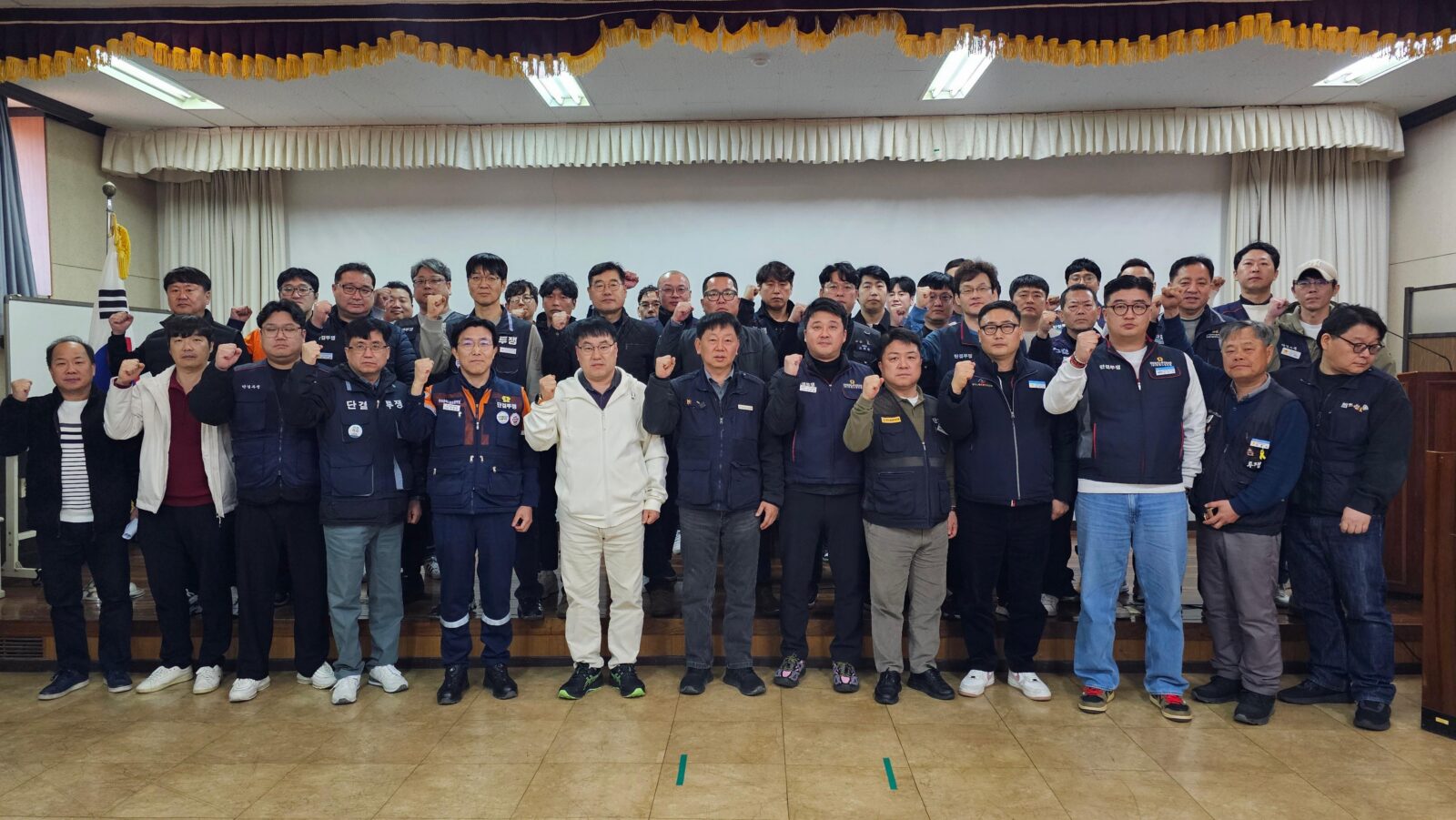
The increases were confirmed on 4 December 2025 following decisions taken within formal social dialogue mechanisms. The outcome reflects years of engagement by trade unions, including IndustriALL affiliate Mining and Metallurgy Trade Union of Kyrgyzstan, which consistently raised the inadequacy of existing allowances in national and sectoral dialogue forums.

Under the new provisions, daily allowances for work related travel within the country’s regions have increased from 500 to 1,000 Kyrgyz soms (approximately US$6 to US$11). For work related travel to the capital, Bishkek, allowances have risen from 600 to 1,200 Kyrgyz soms (approximately US$7 to US$14).

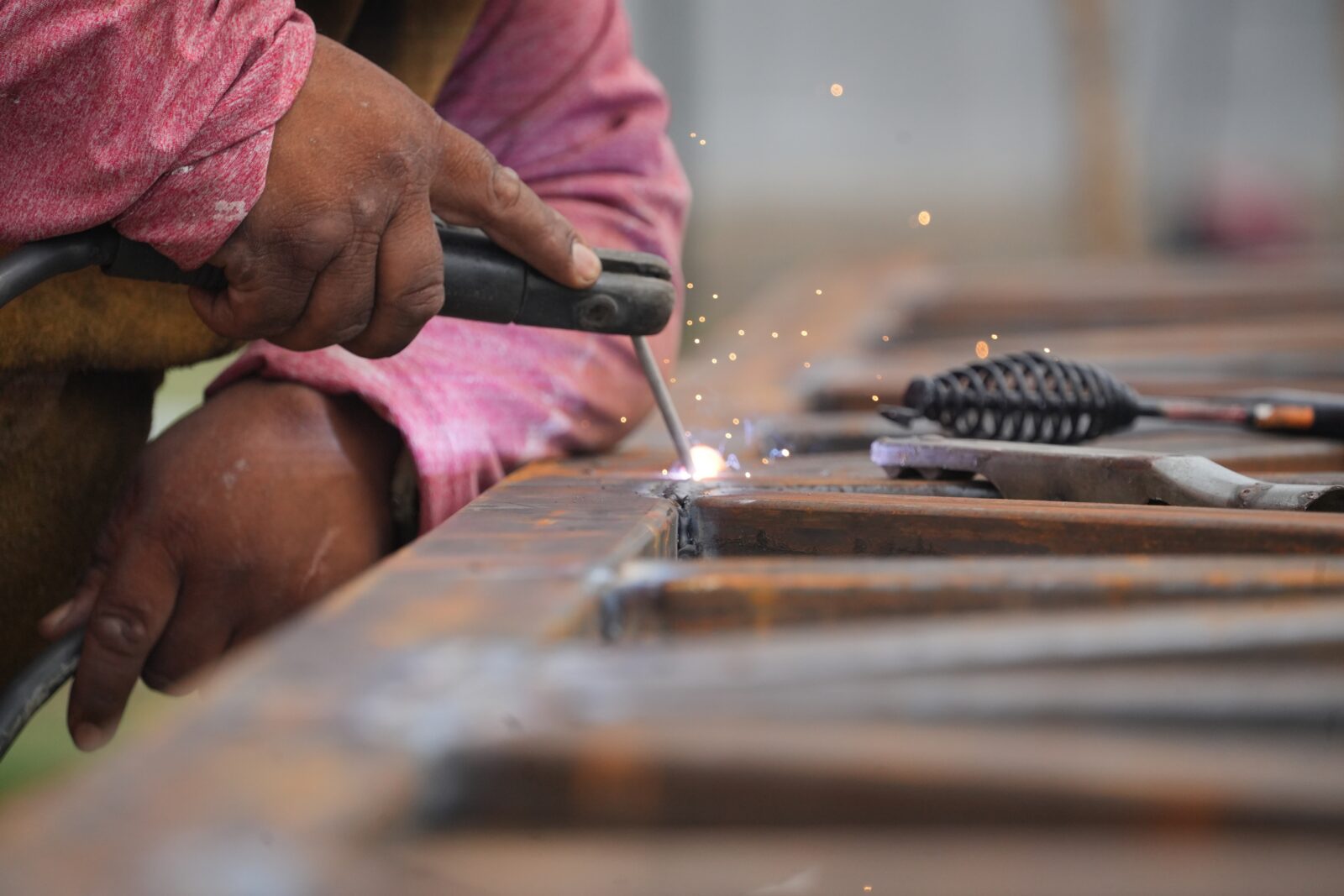
As shift (rotational) work bonuses are calculated on the basis of daily allowances, the decision also brings a significant increase in payments for workers engaged in rotational work. The shift work bonus now stands at 1,000 Kyrgyz soms (around US$11) per day. For a typical 15-day shift period, this amounts to 15,000 Kyrgyz soms (approximately US$170).

Trade unions had long argued in social dialogue forums that the previous allowance levels, unchanged since 2016, no longer reflected the real costs faced by workers. Rising prices and inflation meant that allowances often failed to cover basic expenses such as food, transport and other necessities, effectively weakening workers’ social and economic protection.

Through sustained participation in social dialogue at national and sectoral levels, unions succeeded in building consensus around the need to update the allowances and align them with current living and working conditions. The resulting agreement demonstrates the practical value of institutionalised social dialogue in delivering concrete improvements for workers.

Welcoming the outcome, IndustriALL assistant general secretary, Kemal Özkan said:

“This is a clear example of how persistent and united trade union action delivers concrete improvements in workers’ lives. Doubling daily allowances and shift work bonuses in Kyrgyzstan is an important step towards restoring fairness and dignity at work and it shows what can be achieved through strong social dialogue and collective advocacy.”

The decision reflects the potential of social dialogue to deliver concrete improvements for workers, while also highlighting the need to further strengthen and deepen inclusive dialogue mechanisms to ensure labour policies consistently respond to workers’ real needs in the country.
 

Saint-Gobain network meets in Paris to address jobs, digitalization and workers’ rights

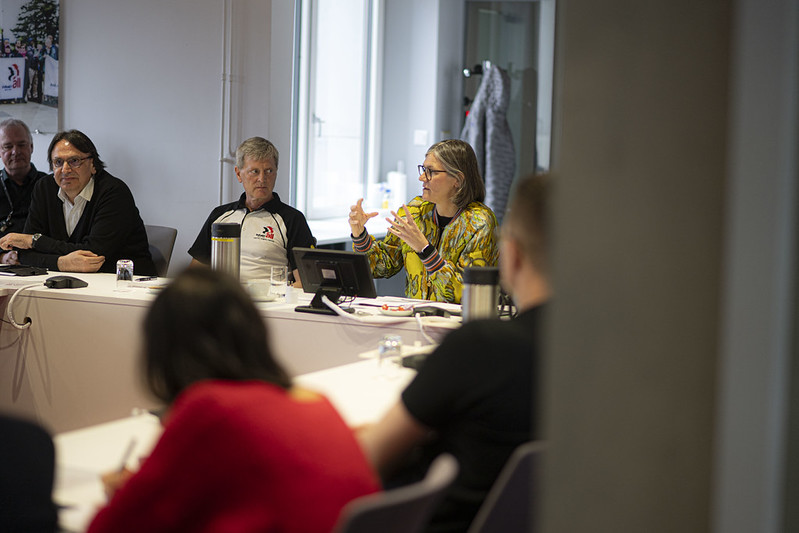
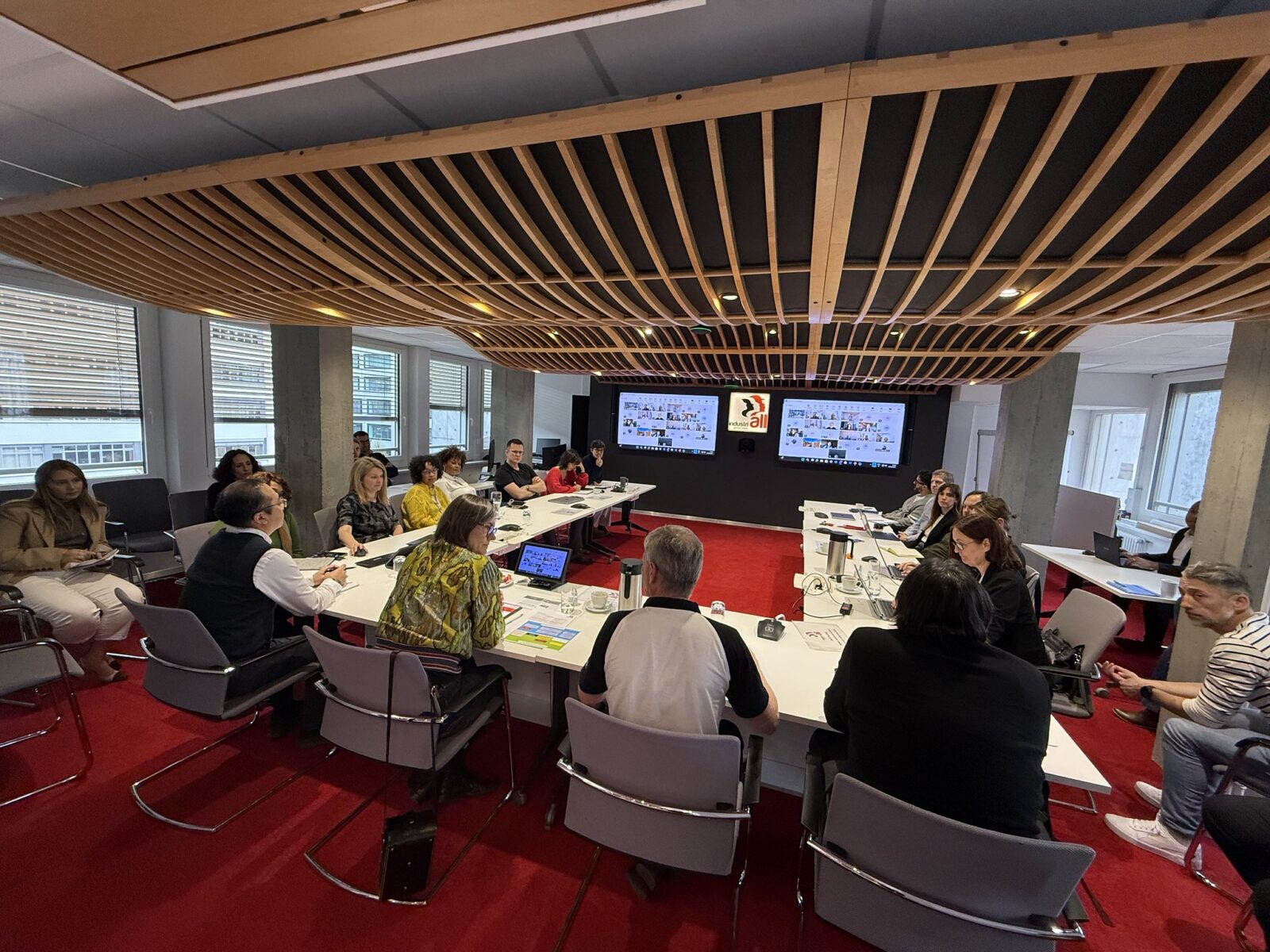
Against a backdrop of geopolitical tensions, economic uncertainty and accelerating technological change, the meeting offered a space for affiliates to exchange experiences, assess developments within Saint-Gobain and prepare coordinated trade union responses to ongoing transformation affecting workers across the group.

Union delegates received updates from employee representatives and experts on the current situation within Saint-Gobain, with particular attention to restructuring processes taking place in several countries. Serious concerns were raised about job insecurity, workforce reductions and the growing use of precarious employment contracts. Participants underlined that these developments are being felt unevenly across regions, often introduced without sufficient consultation or transparency, undermining trust and social dialogue.

The discussions highlighted the importance of stronger international coordination to ensure that workers, regardless of location, are not left to face restructuring and uncertainty alone.

Digitalization and Industry 4.0 emerged as a central theme throughout the two days. Trade union representatives shared feedback from a global questionnaire, which revealed widespread uncertainty and anxiety among workers regarding automation, artificial intelligence and digital transformation projects.

Delegates stressed that digitalization must not result in work intensification, burnout or hidden job losses. They called for trade unions to be involved early and meaningfully at every stage of digital projects, so that technological change supports decent work rather than eroding working conditions.

Health, safety and wellbeing were also high on the agenda. While acknowledging Saint-Gobain’s public commitments and initiatives such as CARE by Saint-Gobain, delegates reported uneven implementation and access across countries. Concerns were raised about the reliability of health and safety data, the reported rise in workplace accidents and insufficient prevention measures, particularly in high-risk environments.

Participants emphasised that commitments on paper must translate into concrete, measurable improvements for workers on the ground, everywhere the group operates.

During the exchange with management, trade union representatives also raised concerns about the Oxygen project, a company-wide transformation initiative at Saint-Gobain. Oxygen is a new software system intended to centralise and manage processes such as invoicing and customer files. The project is currently being rolled out as a pilot in Belgium, while several other countries have already been informed ahead of possible deployment. Trade unions reported significant criticism from workers in Belgium regarding the project’s effectiveness, reinforcing the need for early consultation, transparency and meaningful social dialogue before any wider implementation.

Concluding the meeting, Alexander Ivanou, director of materials at IndustriALL underlined the growing strength of the network:

“Saint-Gobain Global Union Network is evolving and new countries joined our ranks this year, this is a very good indication of our growth. We need to continue strengthening our international coordination, defend social dialogue and ensure that Saint-Gobain’s transformation is based on respect for workers’ rights, decent work, health and safety and a just transition for all employees worldwide.”

As Saint-Gobain continues to transform, the Paris meeting showed the determination of trade unions to stand together across borders, ensuring that workers’ voices remain central in shaping the future of the company.

Protests against new minimum wage regulation in Indonesia

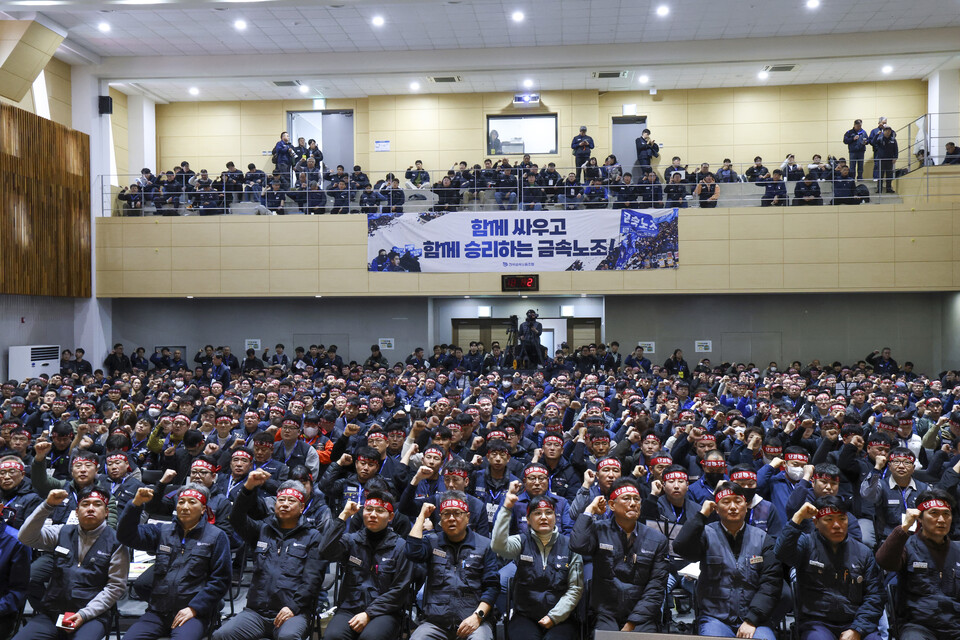
Further protests took place in the first week of January in Jakarta, Bekasi, Karawang, West Java, Aceh and Riau. The president of the Indonesian Trade Union Confederation (KSPI) and the Labour Party, Said Iqbal, announced that workers would organize another large demonstration at the Presidential Palace and the parliament building on 8 January.

Unions have rejected the regulation, saying it was adopted without proper consultation and warning that the adjustment index, set between 0.5 and 0.9, could suppress minimum wages, particularly at the provincial level.

The protests followed the approval of the regulation by Indonesian President Prabowo Subianto on 17 December. The President said the changes aim to maintain workers’ purchasing power for a decent living, stabilize the national economy and take into account the 2024 ruling of the Constitutional Court. That ruling stated that the government must revise its minimum wage policy, taking into consideration the need for a decent living, justice and humanity and reinstated the sectoral minimum wage.

In response, KSPI has put forward four demands: at least a 6.5 per cent minimum wage increase; a 6–7 per cent increase to protect workers’ purchasing power; a 6.5–6.8 per cent increase as a realistic compromise; and an adjustment index of 0.7–0.9 instead of 0.5–0.9.

Riden Hatam Aziz, president of IndustriALL Global Union affiliate FSPMI, said:

“Tens of thousands of workers from Jakarta, West Java and Banten have taken the minimum wage issue to the streets. The government must abolish the new regulation, which poses a serious threat to a living wage, as it may result in no wage increase in some regions despite rising living costs. The regulation also contradicts the ruling of the Constitutional Court.”

On 19 December, IndustriALL general secretary Atle Høie wrote to the Indonesian President, urging the government to review the regulation. Høie said constitutional requirements, international labour standards and the principles of social dialogue must be respected and warned that the regulation was adopted “without meaningful public participation and without adequate consultation with trade unions, despite their constitutionally and internationally recognized role as social partners in wage determination”.

“The conclusions of the ILO Experts’ Meeting on Wage Policies, including living wages, reaffirm that wage-setting frameworks should be grounded in evidence-based methodologies, aimed at ensuring decent living standards and developed through genuine tripartite consultation,”

Høie said.

A mandate to act, a responsibility to deliver

By Atle Høie, IndustriALL general secretary 

This past year has not been an easy one. War continues to define daily life for millions. Democratic space is shrinking in too many countries. Corporate power is increasingly concentrated in the hands of a few, while working people are told to accept insecurity, precarity and declining living standards as inevitable. Climate breakdown accelerates, and technological change, particularly artificial intelligence (AI) is introduced not as a tool for shared progress, but too often as a mechanism for control, surveillance and job destruction.

And yet, if there is one lesson from 2025, it is this: workers do not accept injustice quietly. 

Trade unions do not retreat when the terrain becomes difficult. We organize. We negotiate. We fight, and we win.

During the year, our affiliates have shown incredible resilience and strength. In Kenya, a court ruling upheld trade union rights against intimidation and abuse, making it clear that the rule of law still matters when workers stand together. 

In Italy, metalworkers secured a historic agreement after sustained mobilization, showing that collective bargaining remains one of the most powerful tools workers have to defend dignity and fair pay.  In Türkiye, metalworkers also won significant gains amid record inflation, reinforcing that union strength matters across Europe and beyond.

In the United States, workers scored major victories in traditionally difficult organizing environments: after a 15-week strike, IAM union members ratified a new contract at Boeing; autoworkers achieved a historic union win at Volkswagen’s Chattanooga plant; and energy workers secured a groundbreaking victory with UWUA in the wind power sector, powerful reminders that collective action can overcome rooted resistance even in highly financialized and hostile contexts.

From South Africa, where NUMSA secured a wage deal while calling for industrial policy to protect the auto sector, to India, where courts ordered the regularization of contract workers and garment workers defied illegal closures, the message has been consistent: precarious work is not destiny. It is a choice, and one that can be challenged.

In Quebec, ArcelorMittal workers won a stronger collective agreement, proving that even global giants can be held accountable when unions are organized and persistent. While in Mexico more than 3,000 workers secured a hard-fought settlement after a prolonged strike at ArcelorMittal over profit-sharing and working conditions, including wage gains and the withdrawal of legal actions against workers and their union. 

In Bangladesh, PakistanKorea, and Morocco workers won Collective Bargaining Agreements (CBAs), regularization and recognition through strikes and negotiation alike, often in contexts where the risks are high and the space for union activity is limited.

We also saw a powerful defence of fundamental rights in Indonesia, where unions successfully challenged the regressive omnibus law, demonstrating once again that determined collective action can push back against legislative attacks aimed at undermining labour protections and bargaining rights.

In Korea, unions welcomed the decision to uphold the impeachment of President Yoon, a powerful reminder that trade unions are not only economic actors but defenders of democracy itself. 

And in sectors that define the future of the global economy, shipbreaking, semiconductors, energy and automobiles, union victories this year have shown that transformation does not have to come at the expense of workers’ rights. The entry into force of the Hong Kong Convention on ship recycling is a milestone, decades in the making, improving safety and shifting power in one of the world’s most dangerous industries.

In Cambodia, progress was also made on wages in global supply chains, as international brands signed an agreement with IndustriALL to support collectively bargained wages in the garment, textile, footwear and travel goods sector. These legally binding commitments require brands to back factory-level collective bargaining and responsible purchasing practices, marking an important step toward improving wages and working conditions for workers in a sector that is central to the country’s economy.

These are not isolated successes. They are part of a broader pattern. They show that even in an era marked by war, inflation, climate crisis and corporate greed, organized workers can still shape outcomes.

This matters, because the challenges ahead are immense.

Beyond national struggles, 2025 also brought important progress at global level. IndustriALL renewed and strengthened global agreements with multinational companies including ASOS and the H&M Group, reinforcing commitments on freedom of association, collective bargaining and workers’ rights across complex global supply chains. These agreements matter because they move responsibility up the chain, making clear that brands cannot outsource risk while retaining profit. 

Artificial intelligence is advancing faster than regulation, and too often without workers at the table. Global value chains are being reorganized in response to geopolitical tensions, with workers paying the price through job losses, outsourcing and weakened protections. Oligarch power, economic and political, is tightening its grip in many parts of the world, undermining democracy and labour rights alike. And the climate crisis is no longer a future threat; it is a present reality, already reshaping industries, regions and livelihoods.

These are not separate issues. They are deeply connected. And they all raise the same fundamental question: who decides?

At Congress, our affiliates answered that question clearly. Workers must decide. Trade unions must be central actors in shaping the future of work, industry and society. That is why the Action Plan 2025–2029 adopted in Sydney is so important. 

The Action Plan is a political commitment. It sets out how we will strengthen union power, expand collective bargaining, defend democratic space, advance Just Transition, and confront corporate power across global supply chains. It reflects the lived reality of our affiliates, and it gives direction to our collective work over the next four years.

But no action plan delivers itself.

What gives meaning to this mandate is the daily work of our affiliates: the shop stewards negotiating under pressure, the organizers facing intimidation, the workers who strike knowing the risks but acting anyway, the women and young workers pushing to be heard and to lead. It is also the work of our staff and partners, supporting struggles across borders, building capacity and keeping international solidarity alive when it is most needed.

Behind these achievements are real people. Workers dealing with repeated crises, organizers facing pressure and intimidation, and unions that keep going even when progress is slow and uncertain.

This is why solidarity is essential to our movement. No affiliate stands alone, and no struggle is isolated. Victories in one place strengthen workers everywhere, and attacks on rights concern us all.

As we move into 2026, we do so with pride in what has been achieved, and with urgency about what lies ahead. The world of work will continue to be contested terrain. Capital will continue to push its interests aggressively. Governments will continue, too often, to fall short of their responsibility to protect workers and communities.

IndustriALL and affiliates will continue to respond by organizing, by bargaining, by building alliances, and by insisting that dignity, democracy and justice are non-negotiable.

Congress has given us a clear mandate. The year behind us has shown what is possible. We enter that future together, confident in our collective strength, grounded in solidarity, and committed to defending the rights and dignity of working people everywhere.

Unions unite to defend rights across Eastern Europe, Central Asia and the Caucasus

Opening the meeting, IndustriALL Global Union assistant general secretary Kemal Özkan reaffirmed IndustriALL’s commitment to affiliates in the region, stressing the importance of listening directly to unions and understanding their industries and members. He said the meeting was key to identifying how IndustriALL can help strengthen union capacity, highlighting the challenges facing the region, particularly the ongoing war in Ukraine:

“This region is facing exceptional challenges, and that requires continued international trade union solidarity.”

IndustriALL general secretary Atle Høie underlined that defending fundamental trade union rights, notably freedom of association and the right to collective bargaining under ILO Conventions 87 and 98, remains central to IndustriALL’s work. He stressed the need for unity and stronger organizing to counter authoritarian trends, weakening global governance and employer attacks on collective agreements.

“If we do not organize and defend these rights, it becomes easier for employers and governments to impose their will.”

Country reports highlighted declining union membership in some sectors, employers’ reluctance to sign collective agreements, limited labour inspection capacity and growing risks to occupational health and safety. At the same time, unions shared examples of collective bargaining coverage, organizing efforts in new sectors, work on youth and gender equality, and implementation of ILO standards.

Belarus: independent unions criminalized

The Belarusian trade union movement in exile reported that President Lukashenka has classified independent trade union activity as a terrorist act, exposing union activists to criminal charges and preventing unions from representing members. Although 109 political prisoners were recently released, they were immediately deported to Ukraine without national identity documents. And the number of political prisoners continues to grow as more organizations are designated as extremist. Sustained international pressure is needed, particularly  for full implementation of ILO Article 33 as a prerequisite for any legal space for independent union activity.

Ukrainian unions described the devastating impact of Russia’s ongoing military aggression, including intensified winter attacks that have destroyed infrastructure and productive capacity. A large part of the energy network has been destroyed, leaving households without electricity for up to 16–18 hours a day, while unions in the nuclear and energy sectors struggle to operate due to damaged substations and power lines.

Union leaders warned that labour legislation is being amended under the pretext of European integration but is weakening trade union rights, including the right to collective bargaining, and undermining social dialogue at a critical time.

Wages, jobs and social dialogue across the region

Kyrgyzstan described widespread informality, management interference in companies and cases of repression against union leaders, while also noting progress on standards, including early ratification of ILO Convention 190 and its inclusion in labour legislation.

Armenia highlighted youth and occupational health and safety as priority matters, and the need to institutionalize social dialogue through legislation rather than personal relations, alongside concerns about multinational companies attempting to shut down unions and limited government understanding of the role of trade unions.

Kazakh unions underlined the importance of wage increases through collective bargaining negotiations as the current level of income is not sufficient for survival. Azerbaijan showed an example on how social dialogue at company level can bring benefits with the example of national oil company SOCAR. Tajikistan highlighted the difficulties of sustaining the national economy and preserving manufacturing jobs. Uzbekistan emphasized the need for closer cooperation in response to increasing international investment by multinational companies and global brands, as the country’s economy continues to develop.

Alexander Ivanou, IndustriALL sector director, addressed the meeting on IndustriALL’s solidarity and support across sectors, focusing on strengthening cooperation between Geneva and affiliates. He outlined how IndustriALL’s sectoral work provides a framework for coordination and support, helping affiliates connect across borders and reinforce their collective strength.

ILO ACTRAV desk officer for Europe and Central Asia, Sergeyus Glovackas, explained how the ILO system works, including convention ratification and the use of supervisory mechanisms to address violations in the region.

Regional priorities and collective action

A panel made up of members of IndustriALL’s Executive Committee from Georgia, Moldova, Kyrgyzstan, Ukraine and Kazakhstan discussed shared regional priorities and pressures.

Kazakhstan highlighted job protection amid company “optimization”, occupational health and safety and the need to implement decent wages following ratification of ILO Convention 131. Ukrainian representatives stressed that the impact of the war extends beyond Ukraine and called for stronger sanctions against Russia, warning that labour law changes risk undermining workers’ rights without stronger cooperation with the ILO.

Kyrgyzstan raised concerns over precarious work, which affects nearly half of all jobs, limiting workers’ ability to organize, alongside labour law changes, occupational health and safety and environmental risks. Moldova emphasized the need to strengthen tripartite social dialogue, raise wages in line with EU standards and invest in training young activists, with a focus on gender, occupational health and safety and organizing. Georgia reported employers’ reluctance to sign collective agreements, an extremely low minimum wage and workers taking multiple jobs to survive, leaving little time for union activity. Kazakhstan mentioned the joint work in the sub-region to reinforce bargaining power for better wages.

The discussions made clear that formal rights alone are not enough. As unions across the region face war, repression and shrinking space for social dialogue, participants stressed the need for stronger coordination, concrete solidarity and sustained international pressure. By drawing on shared experience and expertise within IndustriALL, unions aim to strengthen their collective power and better defend workers’ rights under increasingly difficult conditions.

Trade unions call on Belgium to review Sioen’s operations in Myanmar


Since the military coup in February 2021, Myanmar has been ruled by a brutal dictatorship that has dismantled democratic institutions and violently suppressed workers’ rights. Trade unions have been banned, leaders arrested or forced into exile and workers face constant surveillance, intimidation and the risk of imprisonment for speaking out or organizing. In this climate of fear, unions say there is no safe or legitimate way to uphold freedom of association, collective bargaining or basic labour protections.

Despite this reality, Sioen continues production in Myanmar, employing more than 1,000 workers. The unions argue that operating under military rule exposes workers to serious human rights abuses and contradicts the company’s responsibilities under international standards. They also warn that continued operations financially benefit the military regime through taxes and other payments, indirectly supporting repression. According to the unions, Sioen has failed to carry out meaningful human rights due diligence, engage with legitimate trade unions or prevent reprisals against workers.

“The situation in Myanmar makes responsible business conduct impossible. When workers are jailed, unions are illegal and fear dominates the workplace, companies must not pretend that business can continue as usual. The only way to respect international standards is to disengage responsibly and ensure workers are fully protected,”

said Walton Pantland of IndustriALL campaigns director. 

The request is backed by Myanmar unions CTUM and IWFM, now operating in exile, as well as Belgian unions representing Sioen workers in Europe and linked through the company’s global supply chain. Because Myanmar is not an adherent to the OECD system, the unions are calling on Belgian authorities to act, as Sioen is headquartered in Belgium and key decisions affecting Myanmar workers are made there.

The unions are urging urgent and responsible action. They are calling on Sioen to end its operations in Myanmar through a safe and orderly disengagement that guarantees payment of all wages, severance and benefits, and respects international labour standards. They are also asking the Belgian NCP to facilitate dialogue and help ensure that corporate activity does not deepen harm, but instead upholds workers’ rights, dignity and lives during one of the darkest periods in Myanmar’s history.

“Continuing activities in Myanmar is unacceptable for Belgium, for the company and for its workers. It undermines democratic values and constitutes a clear disregard for human rights. The overwhelming body of evidence leaves no doubt: withdrawal from Myanmar is the only responsible and defensible option,”

 said Annelies Deman, federal secretary of the AC-CG ABVV-FGTB.


Collective agreements at Renault Morocco

The signing ceremony was presided over by Younes Sekkouri, minister of economic integration, small business, employment and skills and Riadh Mezour, minister of industry and trade. It was attended by Mohamed Bachiri, managing director of Renault Morocco. It was also attended by a trade union delegation from UMT led by secretary general, Miloudi Moukharik, and a delegation from CDT, led by secretary general Khalid Alami Houir.

The agreement will improve workers’ benefits and working conditions. It also emphasizes the importance of ongoing dialogue in promoting the gains of the approximately 10,000 workers and ensuring the development of the company. The agreement also includes new provisions relating to Just Transition particularly  on job security through continuous training and skills acquisition to adapt to modern technology and automation.

The agreement concerns workers at the Somaca factory in Casablanca, affiliated to the CDT, and the Renault factory in Tangier, affiliated to the UMT, which are renewing the agreement for the third consecutive time. The agreement also concerns Renault Commerce Morocco workers affiliated to CDT through the signing of their first collective agreement.

IndustriALL has a global framework agreement with Renault. Through this agreement, Renault commits to working with its suppliers to ensure they comply with fundamental workers’ and trade union rights. This issue was the subject of several meetings between Moroccan unions and Renault management in 2024 and 2025 and the IndustriALL Renault MENA Union Council. IndustriALL is also currently conducting a project on Just Transition in a Renault operation in Morocco, in collaboration with the company and union. 

Minister of employment, Younes Sekkouri said: “The agreement reflects Morocco's approach to balancing workers’ rights and the needs of the company. We value ongoing social dialogue within the company because of its impact on human capital, which is essential to the company's success.”

Minister of industry and trade, Riadh Mezour, said:  “These agreements aim to establish a solid and clear social framework that guarantees the rights and benefits of employees and contributes to improving working conditions within the group. This strategic move by Renault Morocco reflects its firm commitment to strengthening its social model and its renewed confidence in the sustainability and effectiveness of the Moroccan industrial system.”

Miloudi Moukharik, secretary general, UMT said: “The collective agreement has been a constant demand of UMT since the factory was established, given its importance in supporting workers’ rights. Labour laws represent the minimum social standards and therefore a collective agreement is needed to improve the situation of workers. We are proud of this exemplary collective agreement, which will reorganize the relationship between workers, their representatives and management. In response to this important agreement, the union office and human resources will need to motivate workers to increase productivity and ensure the quality of cars manufactured in Morocco.”

Secretary general of CDT, Khalid El Alami Houir, said: “The collective agreement signed represents a qualitative shift in the structure of relations between the company and its employees. The agreement guarantees greater protection of workers’ rights while taking into account the rights of employees and, at the same time, the needs of the company and its competitiveness requirements at the national and international levels. Permanent and responsible social dialogue is an important factor in reaching such a collective agreement.”

Mohamed Bouchmal, secretary general of the Renault Tangier Union – UMT and board emmebr of Fédération Nationale de la Métallurgie et des Industries Synthétiques Métallurgiques et Electroniques – FNMISME – UMT said: “This agreement sets an example that should be followed and we call on other companies to conclude similar agreements, because collective agreements make it possible to compensate for the shortcomings of labour law and enable workers to gain new social benefits. The framework agreement between IndustriALL and Renault formed an important basis for the current collective agreement, which provides for sustainable social dialogue.”

Mohamed Moufid, secretary general of  Renault Casablanca SOMACA Union -CDT and general secretary   Syndicat Nationale des Industries de la Métallurgie et Electromécanique – SNIME-CDT said: “The agreement represents a milestone in the history of social dialogue and reflects the strength of social dialogue within the company and the spirit of responsible partnership.”

IndustriALL general secretary, Atle Høie, said:

“The global automotive industry is undergoing a major transformation that is affecting jobs and working conditions. We congratulate the workers, unions and all other parties involved on this important achievement, which addresses such transformation and is being managed wisely through genuine social dialogue, leading to agreements that maintain social and economic balance.”

Mass dismissals in Argentina’s industrial sector

The manufacturing sector is one of the hardest hit, according to data from the Argentine Political Economy Centre (CEPA). According to IndustriALL affiliate UOM, Whirlpool closed its plant in Pilar a few weeks ago, laying off 220 workers, while in Santa Fe, a motorbike factory has dismissed 150 employees in the last few months. In addition to these direct job losses, the downturn in the metal sector as a whole is affecting the entire supply chain, including domestic suppliers in various sectors and sub-sectors such as auto parts or agricultural machinery and equipment.

The textile sector is also facing difficulties due to the opening of imports, working at only 37 per cent of its installed capacity. According to data from the Pro Tejer Foundation, 333 companies have shut between December 2023 and August 2025, resulting in the loss of 14,000 jobs.

The INDEC – National Institute of Statistics and Census – report for October also reveals significant falls in a variety of industrial sectors, such as clothing, leather and footwear (15.1 per cent), textile products (24 per cent), rubber and plastic products (12 per cent), metal products (8.1 per cent), etc. This month-on-month decline is also reflected in a year-on-year fall of 2.9 per cent , when compared to the same month in 2024, a year in which there had already been a sharp drop compared to November 2023, the last month before the current government took office.

According to a recent report in the Spanish daily El País, an average of 28 companies are closing down every day in Argentina.

IndustriALL’s deputy regional secretary, Cristian Alejandro Valerio, says:

“The government is repeating neoliberal recipes that have already failed in Argentina and have done nothing but damage the country’s industrial fabric, further increase its foreign debt and generate deep economic and financial crises. According to the president himself, the government’s plan is to focus on three sectors, mining, energy and agriculture, as the drivers of the economy. But it is common knowledge that these sectors are not labour-intensive, and are clearly not enough to provide work for everyone in a country with almost 50 million inhabitants. This is why we, at the regional office, are standing by our affiliates, and Argentina’s entire trade union movement, in their struggle to sustain jobs and defend the nation’s industrial fabric.”

Asia Pacific youth endorse IndustriALL’s new youth structure

In the virtual Asia Pacific youth forum on 11 December, forty-five unionists recognized the allocation of two seats for two youth delegates in the IndustriALL executive committee will enable youth to participate in the decision-making processes. The 30 per cent target for youth participation in meetings and training will also uplift youth status in the organization.
 
Young union leaders shared their experience in participating in regional statutory meetings, capacity building activities and project training. They appreciated the current two subregional youth working groups providing platforms for youth to exchangetheir issues, challenges and visions. 
 
They are looking forward to the possibility of forming an Asia Pacific regional youth committee, envisaging an effective platform for mutual exchanges and solidarity actions on challenging issues confronting young workers.
 
The young unionists committed to continuing campaigning against precarious work, rampant contractualization, low wages, climate change and the rapidly changing world of work.
 
A virtual meeting of the IndustriALL youth working group in South East Asia, East Asia and Pacific (SEA2PAC) also took place on 10 December.
 
IndustriALL South Asia regional secretary, Ashutosh Bhattacharya, said:
 

“Young trade unionists are not only the future of the labour movement — they are its strength today. Their voices must be central as we fight for decent work, equality, and justice across all sectors. Youth perspectives gained strong recognition between 2021 and 2024, and were actively debated at the Congress in November. Together, we are and will continue building a movement that is truly ready for a just future.”

Sanofi: strengthening global dialogue through the collective voice of workers

This long-standing network has proven its value for almost a decade. Yet in a company as global as Sanofi, participants agreed that ad-hoc structures are no longer enough. The meeting sent a united message: the time has come for a structured mechanism for global dialogue.

Solidarity across regions

IndustriALL’s Tom Grinter opened the session by welcoming delegates from Japan, Türkiye, Brazil, the Philippines and across Europe. He began by noting that Sanofi has formally named IndustriALL as a stakeholder in its latest Universal Registration Document. This recognition reflects years of interaction but stops short of the structured global dialogue needed at a company of Sanofi’s global scale.

Grinter emphasized that the network is mature, well organized and ready for the next step. 

“A global company needs a global structure for social dialogue. The network exists. The relationships exist. Now we must give them a formal foundation.”

Understanding the reality of change

Aline Eysseric, secretary of the Sanofi European Works Council (EWC) and coordinator of the global network, gave an overview of the company’s transformation in 2024–2025. The full divestment of Opella, major relocations in India, Hungary, Malaysia, Colombia and Spain, and reorganizations and job losses in many countries signal a deep strategic shift. In research and development, oncology research axes have been significantly reduced. Sanofi’s future portfolio is now driven by immunology and rare diseases, a direction that will reshape manufacturing needs and skills.

Eysseric also highlighted concerns related to the company’s new global telework directive which has significantly reduced flexibility for employees.

“Workers are adapting to enormous change. Our role globally and locally is to ensure that no one navigates this transformation alone.”

A strategic moment for global dialogue

IndustriALL assistant general secretary Kemal Özkan placed the meeting in a wider geopolitical and industrial context. He warned that union density in the pharmaceutical sector is extremely low in many regions which makes coordinated global action essential. He highlighted pressures created by trade tensions at global level, restructuring across all regions and the erosion of industrial capacity in Europe.

Özkan underlined that restructuring is not a technical exercise but a strategic political choice. Workers therefore expect all restructuring processes to be carried out in full consultation and negotiation with their representatives. He welcomed Sanofi’s recognition of IndustriALL as stakeholder yet stressed that dialogue must be structured.

“Dialogue cannot depend on personalities or on goodwill. Workers need a structured and reliable global mechanism and Sanofi needs it too.”

Decent work and global labour standards

The meeting welcomed an intervention from Shreya Goel from the International Labour Organization (ILO). She outlined the ILO’s unique tripartite mandate and the importance of social dialogue in delivering decent work. Shreya presented global trends in the pharmaceutical sector, including automation, skills transformation, occupational safety and health, and gender inequality.

The ILO stressed that digital and structural transitions must be managed through worker participation. This aligns closely with IndustriALL’s demands for a Just Transition and strong union involvement in all restructuring and technological change.

Pressures on production and the need for an EU industrial strategy

Juan Jose Delgado from IndustriAll Europe presented the situation facing pharmaceutical workers across the continent. He highlighted job losses over the past two decades, pressure from U.S. trade policy and the need for a strong European industrial strategy that protects skills and quality employment.

He also raised concerns about attempts to weaken social Europe, including attacks on the EU corporate sustainability due diligence directive and other labour standards. Delgado stressed the need for a coordinated response to defend workers’ rights and shape upcoming EU initiatives in critical medicines and biotechnology.

Sanofi management addresses global meeting

Sanofi’s management presented two major initiatives: the Speak Up programme and the internal Ombuds Office. Both aim to improve psychological safety, fairness and early conflict resolution. The union network welcomed these initiatives but emphasized that they must complement, not replace, established unions and works council structures. Participants also raised the issue of power imbalance and fear of retaliation. Management clarified that the programme is designed to apply standards fairly at all levels including for managers.

The company also presented its global Cancer and Work programme. Delegates recognized the importance of supporting workers through illness with job security, flexibility and peer support.

Sanofi management introduced the company’s new Labour Relations & Social Dialogue Position Statement which reaffirms freedom of association and the right to organize. Unions welcomed the declaration as an important step yet stressed that a declaration must be followed by the structures needed to make dialogue effective in practice.

Global reports: workers’ voices from around the world

Delegates from Japan, Türkiye, Brazil, Italy, the Philippines, Greece and other countries presented national updates on collective bargaining, restructuring, working conditions and major organizational changes. Reports highlighted successes in negotiations, concerns over job security and the need for stronger channels to raise issues that transcend national borders.

These exchanges illustrated clearly that many challenges are global while existing mechanisms are regional or local. This reinforced the central conclusion of the meeting.

A shared conclusion: the need for engagement, preferably a Global Framework Agreement

After intense discussions a united message emerged: Sanofi and its unions need a formal global structure for social dialogue, preferably framed through a Global Framework Agreement.

The global union network is well established and has delivered results for almost ten years. What is missing is a framework that ensures sustained global dialogue, full participation for unions and a structured way to address issues in an increasingly globalized company.

Strengthening the voice of Sanofi workers worldwide

The meeting concluded with a strong sense of global solidarity and determination. Workers across continents are ready to engage constructively and to build a stronger global relationship with Sanofi.

“We have proven that global cooperation works. The next step is to anchor it formally so every Sanofi worker everywhere in the world has a voice that is heard,”

said Aline Eysseric

“Structured dialogue with its unionized workforce is an important asset for a multinational company like Sanofi. It is to ensure predictability, transparency and shared responsibility. It is what a global company needs,”

said Kemal Özkan

The global union network leaves Paris more united than ever. The foundations are in place and the momentum is clear. The next phase will require commitment from both sides to build a formal global framework that reflects the reality of Sanofi today and secures a proper channel for dialogue.